Birmingham: Canals, Creative Quarters & Modern Contrasts
Britain’s second city has quietly evolved far beyond its historic reputation as the manufacturing engine of the Midlands. With a network of historic canals that famously covers more miles of water than Venice, Birmingham blends restored brick towpaths and iron lock gates with striking contemporary landmarks like the disc-clad Bullring and the revitalized creative warehouses of Digbeth.
Highlights from the Second City
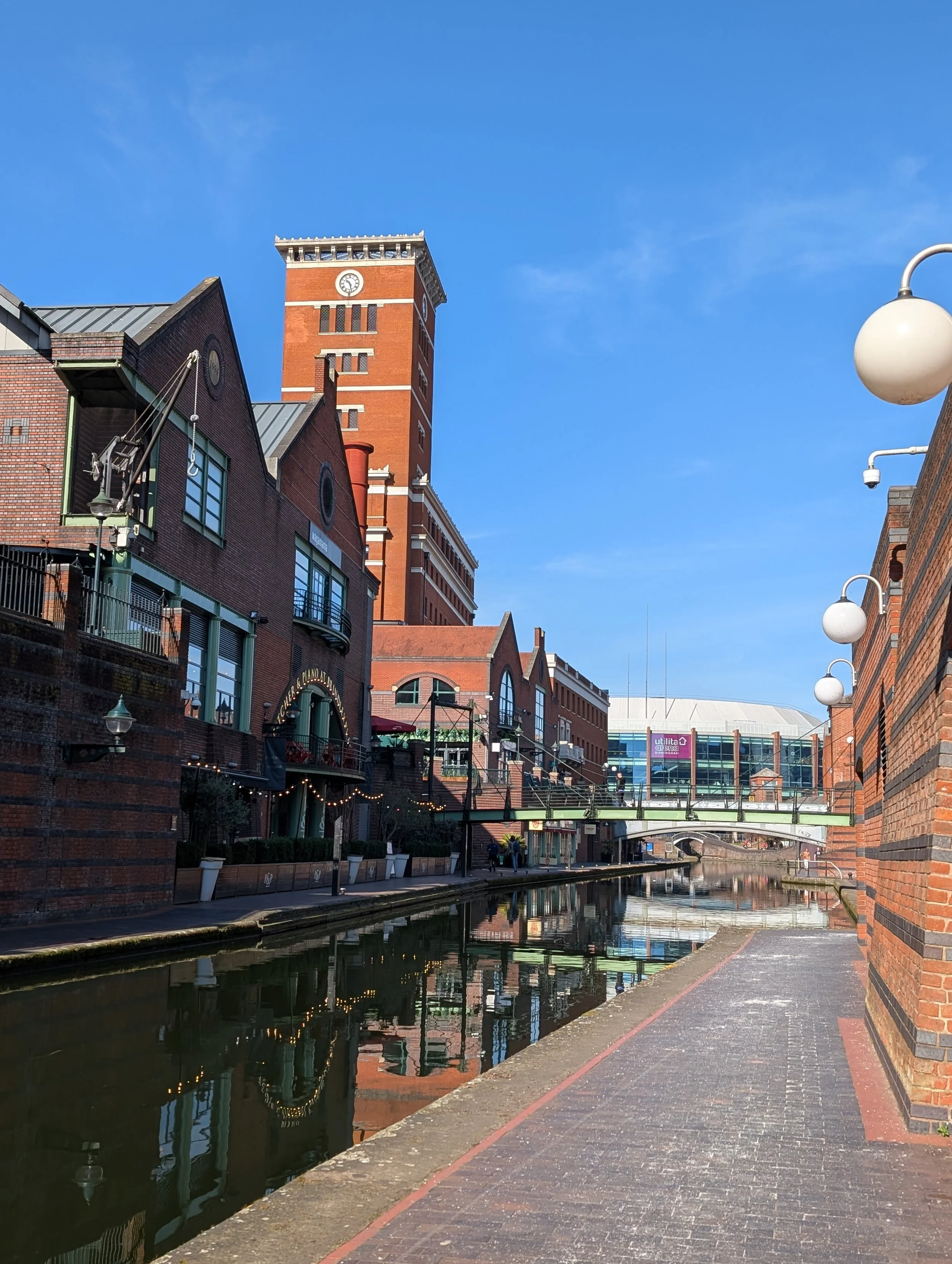
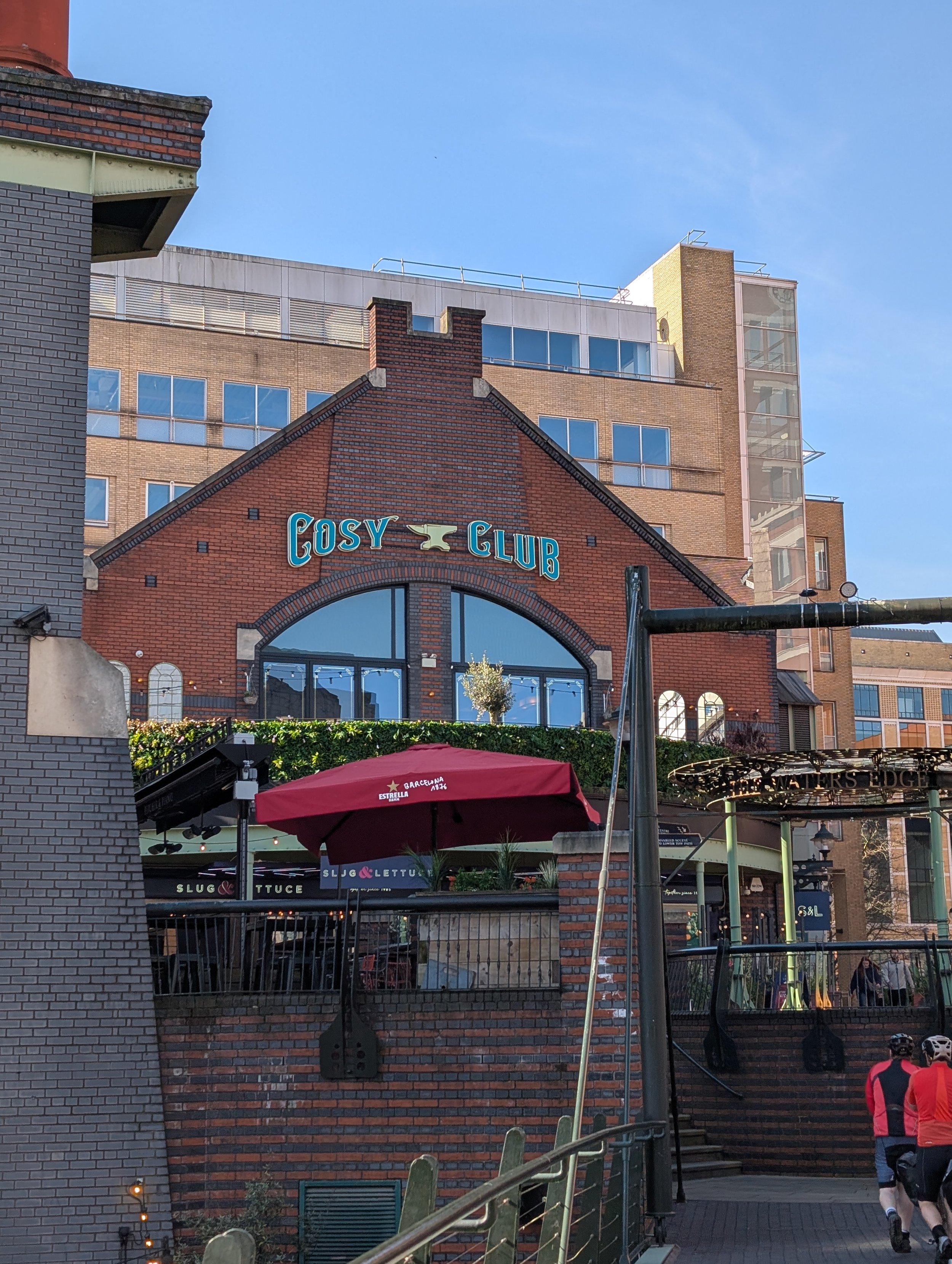
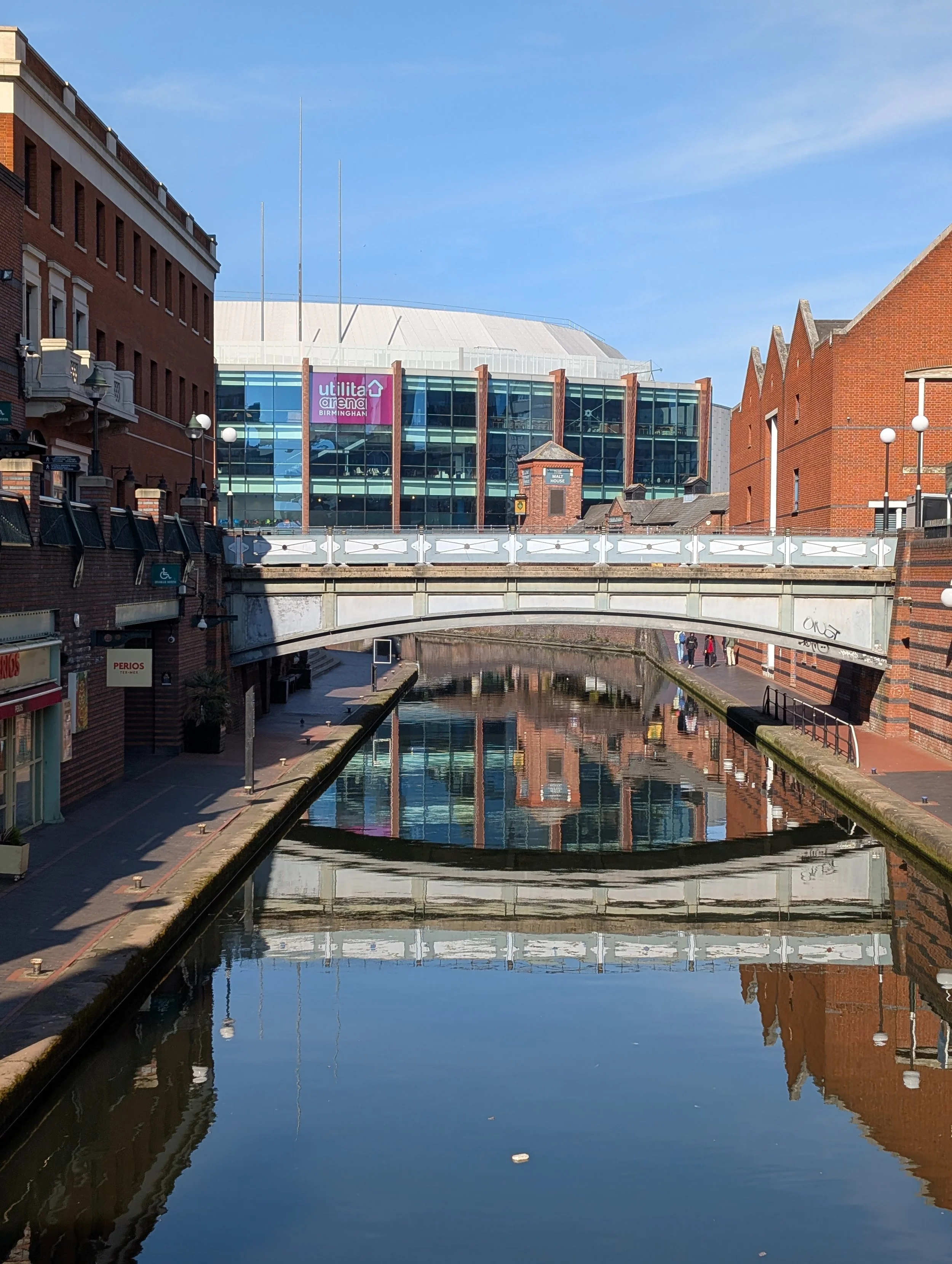
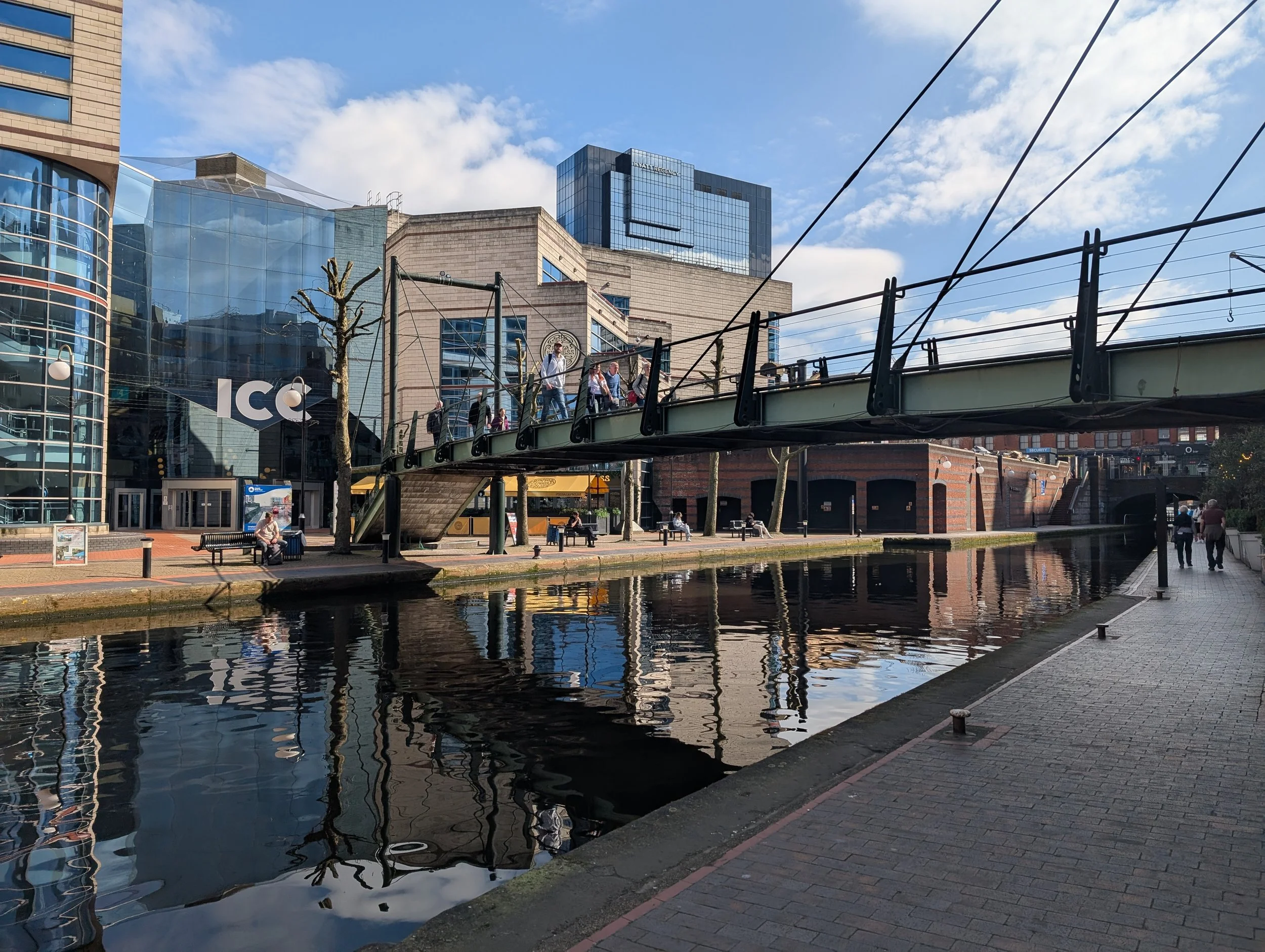
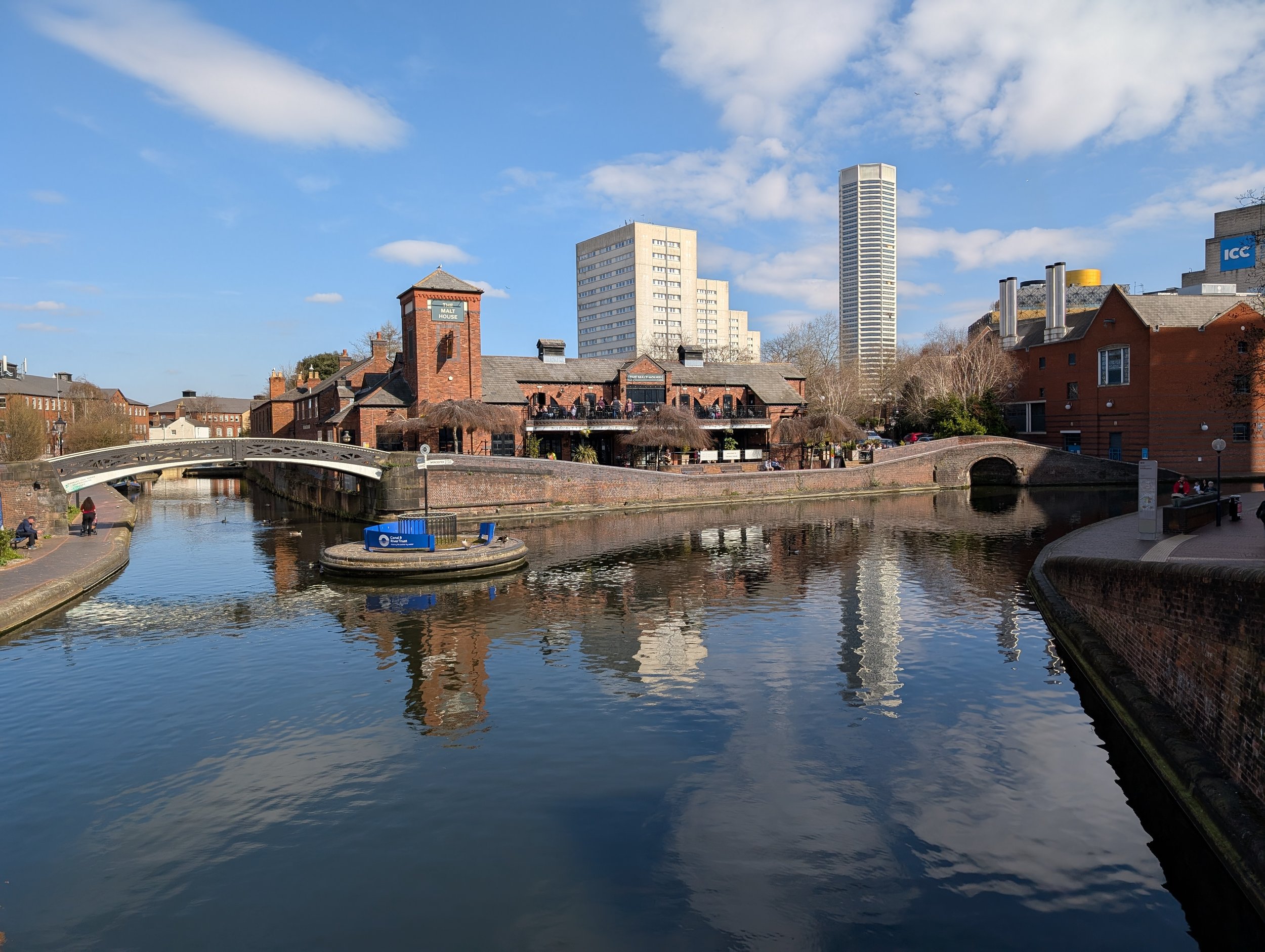
Gas Street Basin & The Historic Canals: Exploring the waterways that famously outnumber the miles of canal in Venice. Winding along the towpaths of Gas Street Basin offers a picturesque mix of traditional colourful narrowboats, restored lock gates, and vibrant waterside pubs framed by sleek modern high-rises.
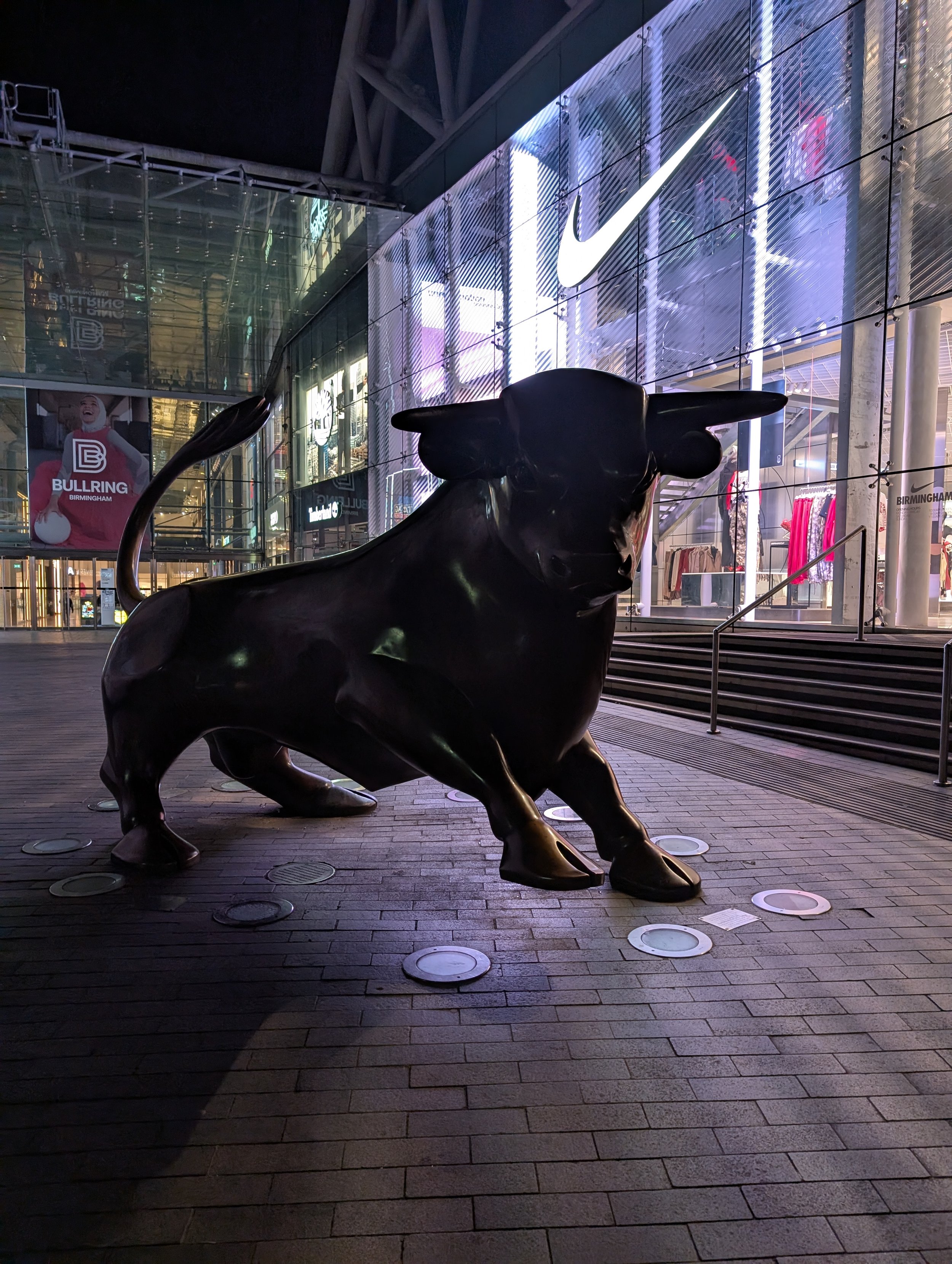
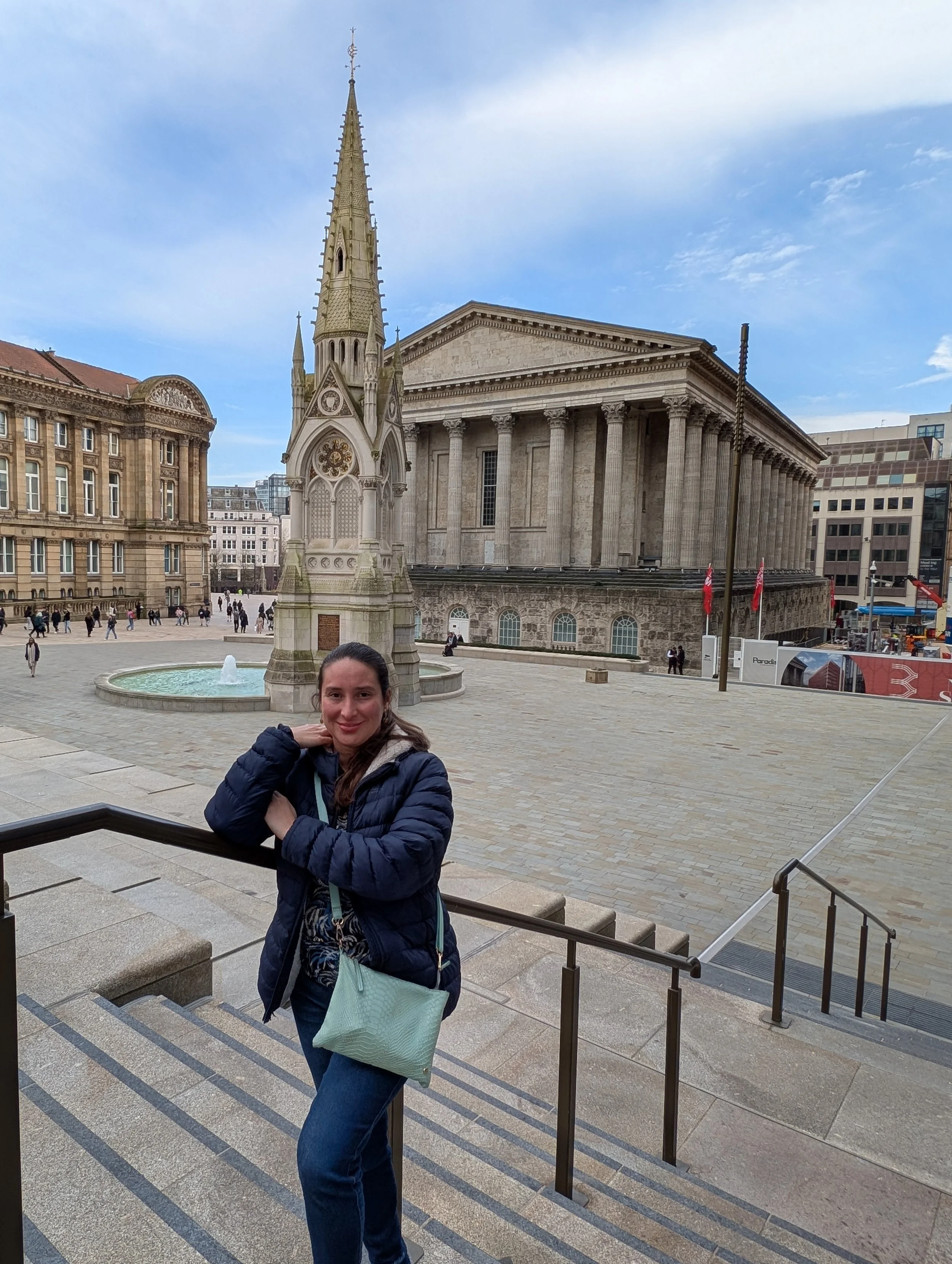
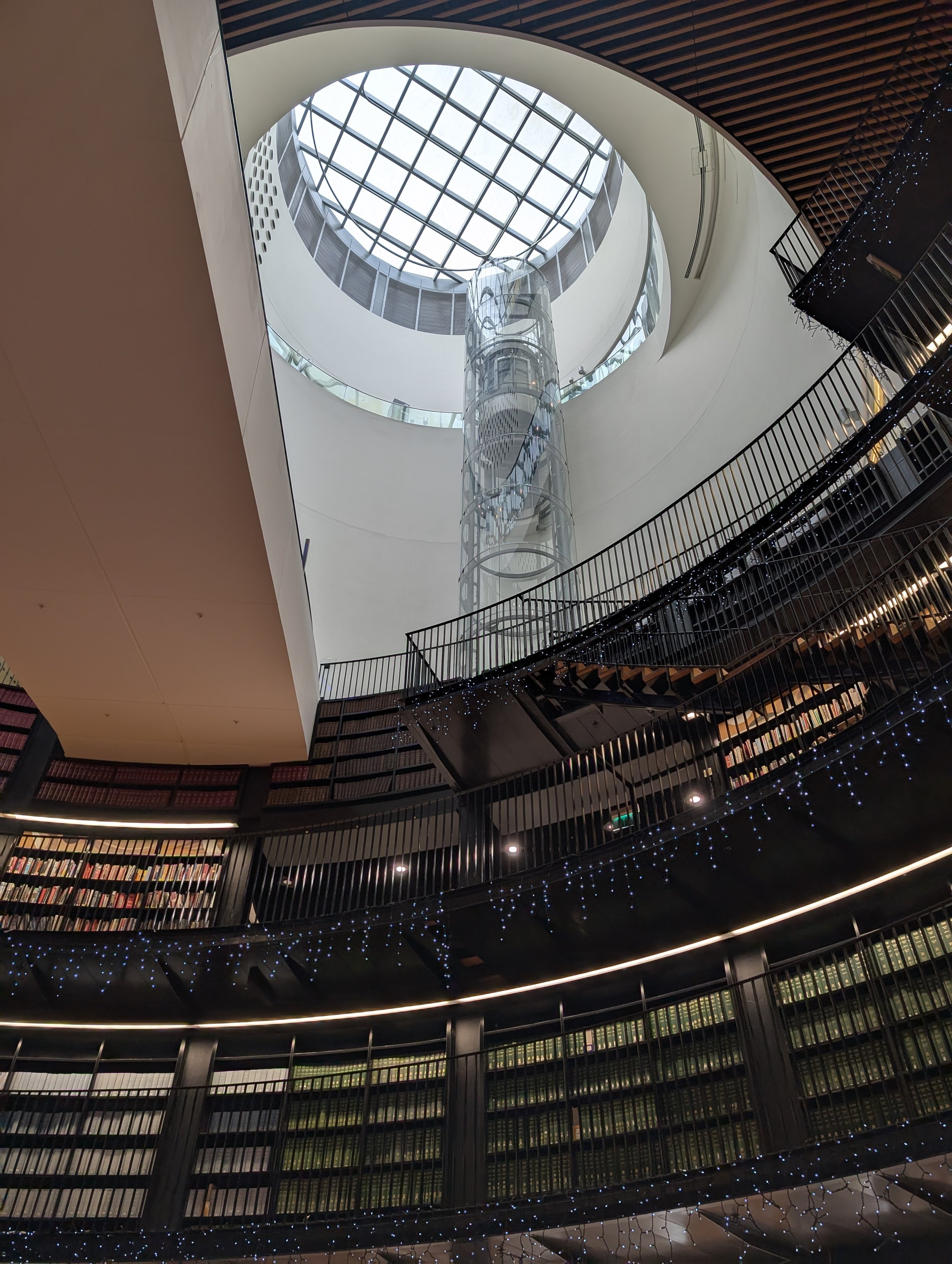
Striking Architectural Contrasts: Taking in the dramatic juxtaposition of the old and the new across the city centre. From the historic Victorian terracotta of the Council House in Victoria Square to the futuristic, disc-covered curves of the Bullring and the cascading rooftop gardens of the Library of Birmingham, the skyline is constantly evolving.
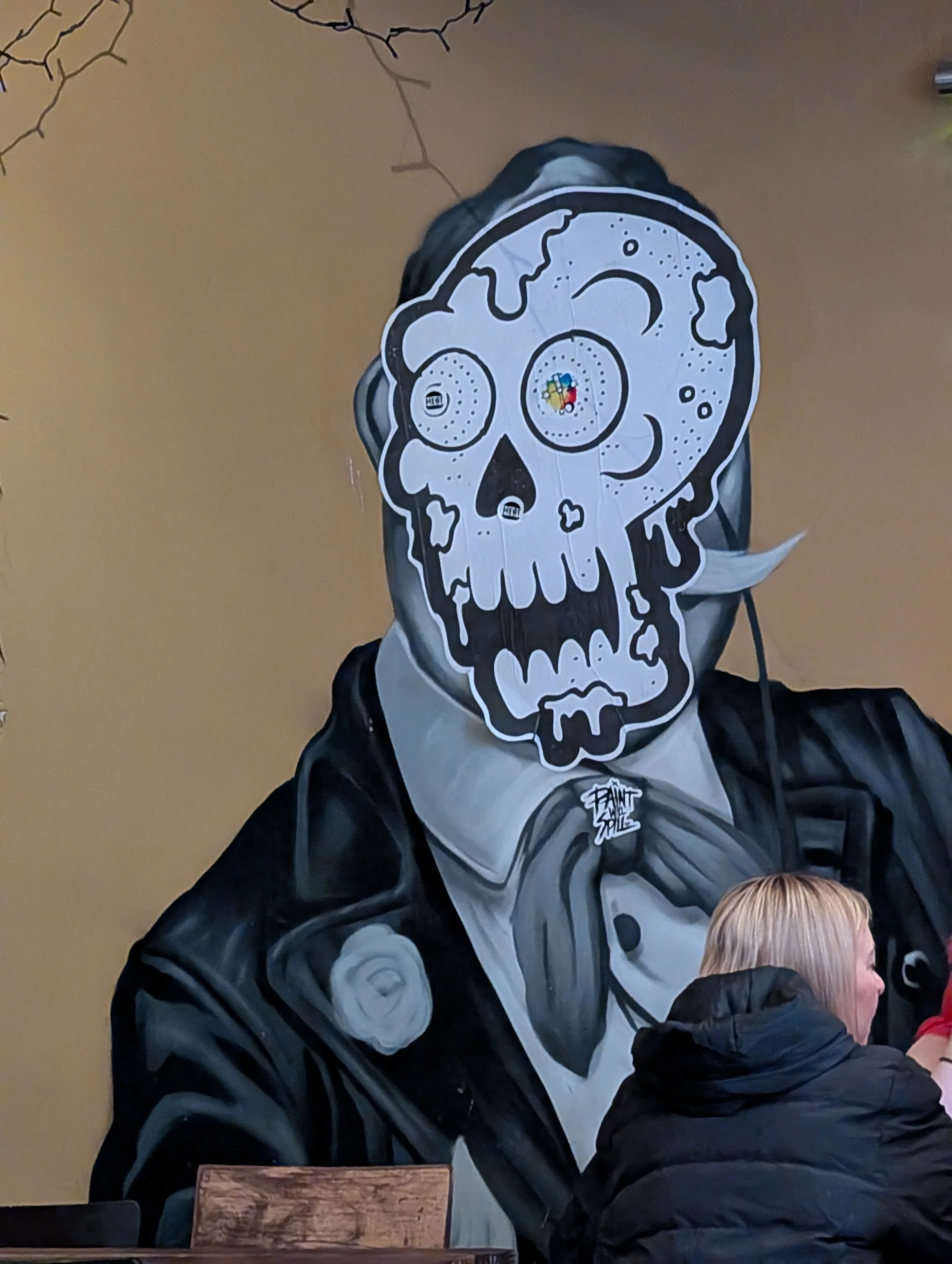
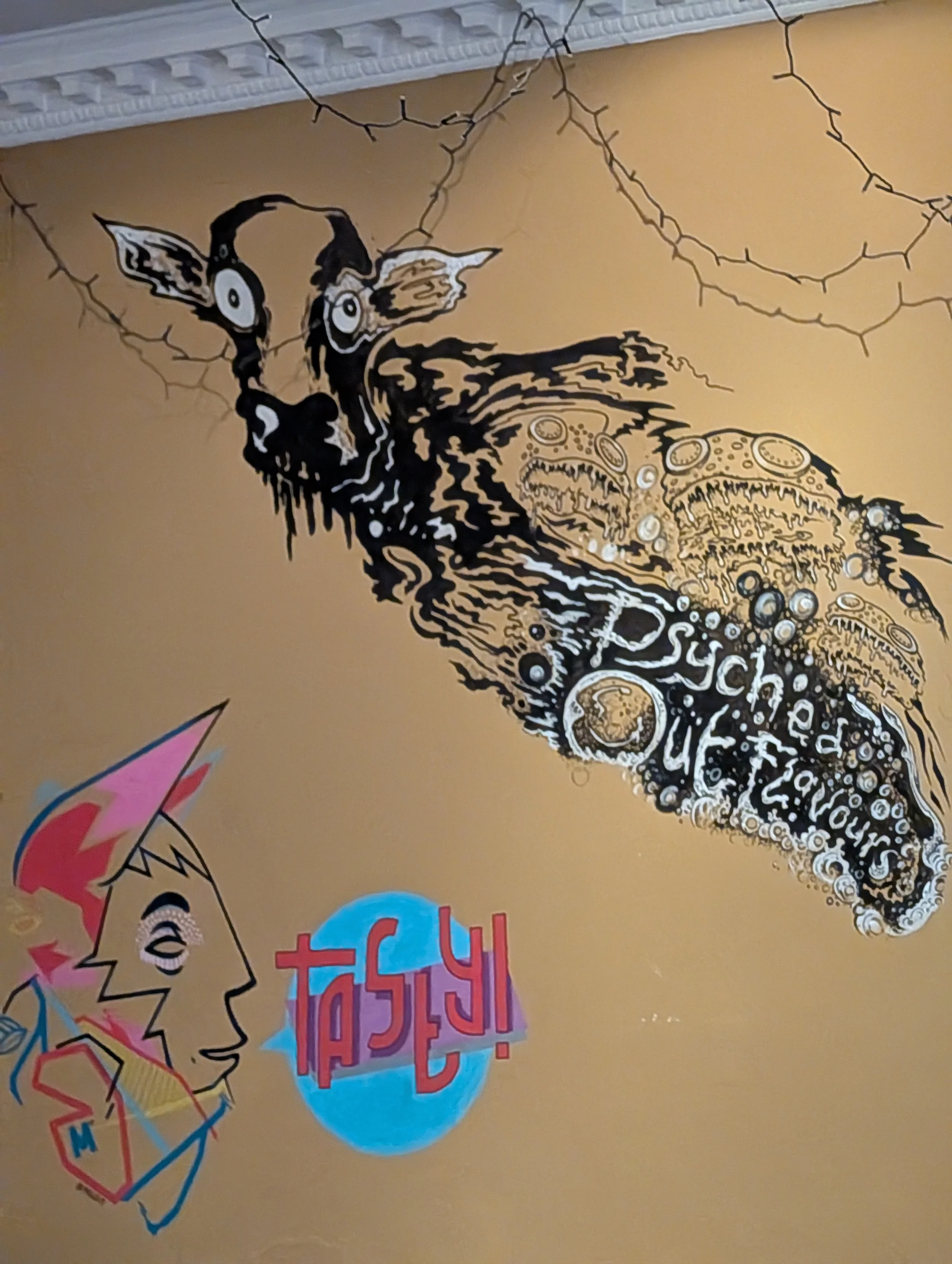
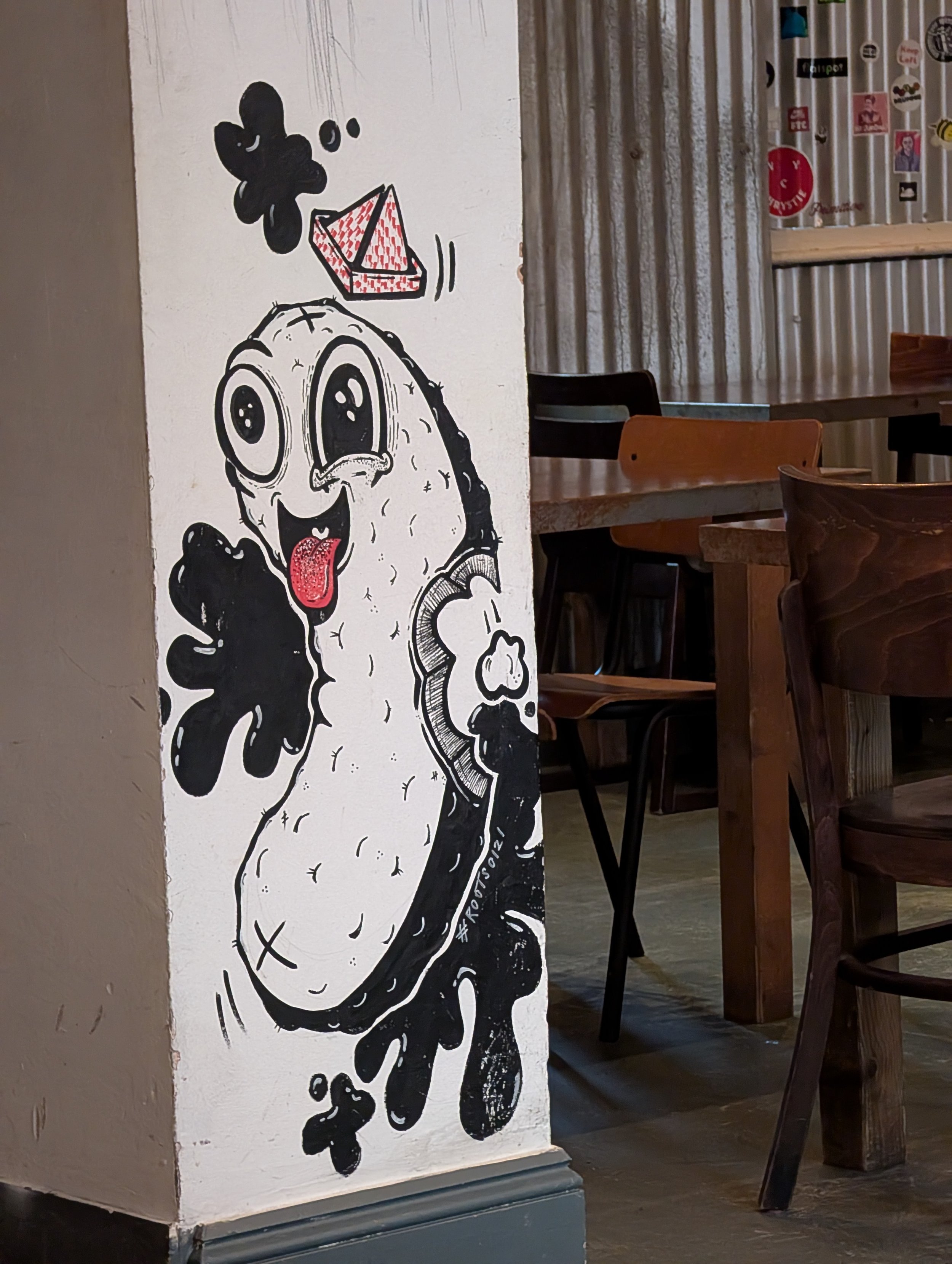
The Creative Pulse of Digbeth: Walking through the revitalized industrial district centered around the historic Custard Factory. Packed with sprawling street-art murals, vintage concept stores, indie cinema spaces, and casual taprooms, it stands out as Birmingham’s most bohemian and artistic corner.
The Historic Jewellery Quarter: Wandering through a designated conservation area where hundreds of independent craftsmen and jewellers continue century-old metalworking traditions alongside trendy coffee shops, brick-lined courtyards, and quiet historic squares.
A Celebrated Food Scene: Diving into the city's legendary culinary pedigree—from authentic family-run spots in the famous Balti Triangle to bustling street-food halls and independent bakeries, offering incredible dining variety across every neighbourhood.