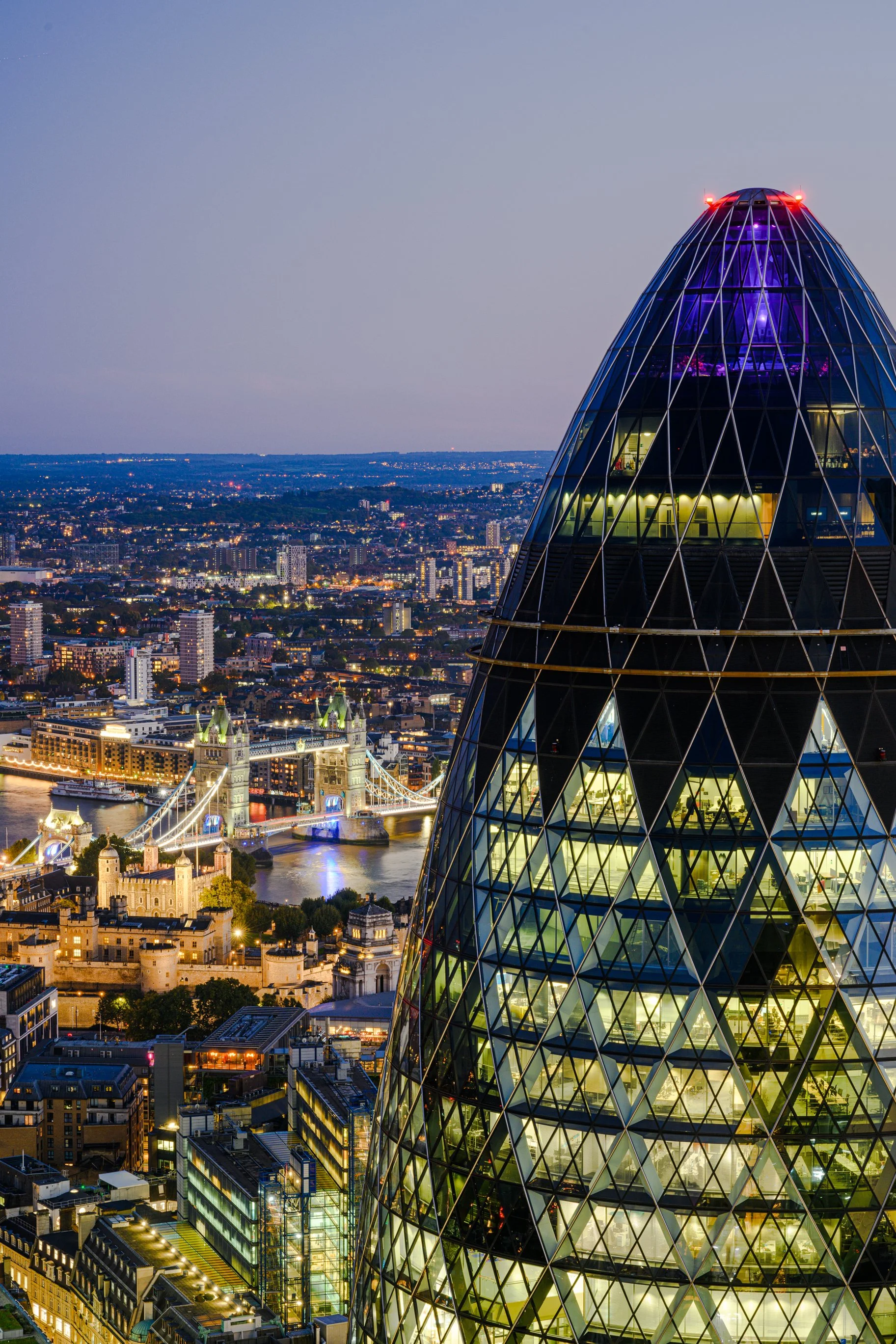
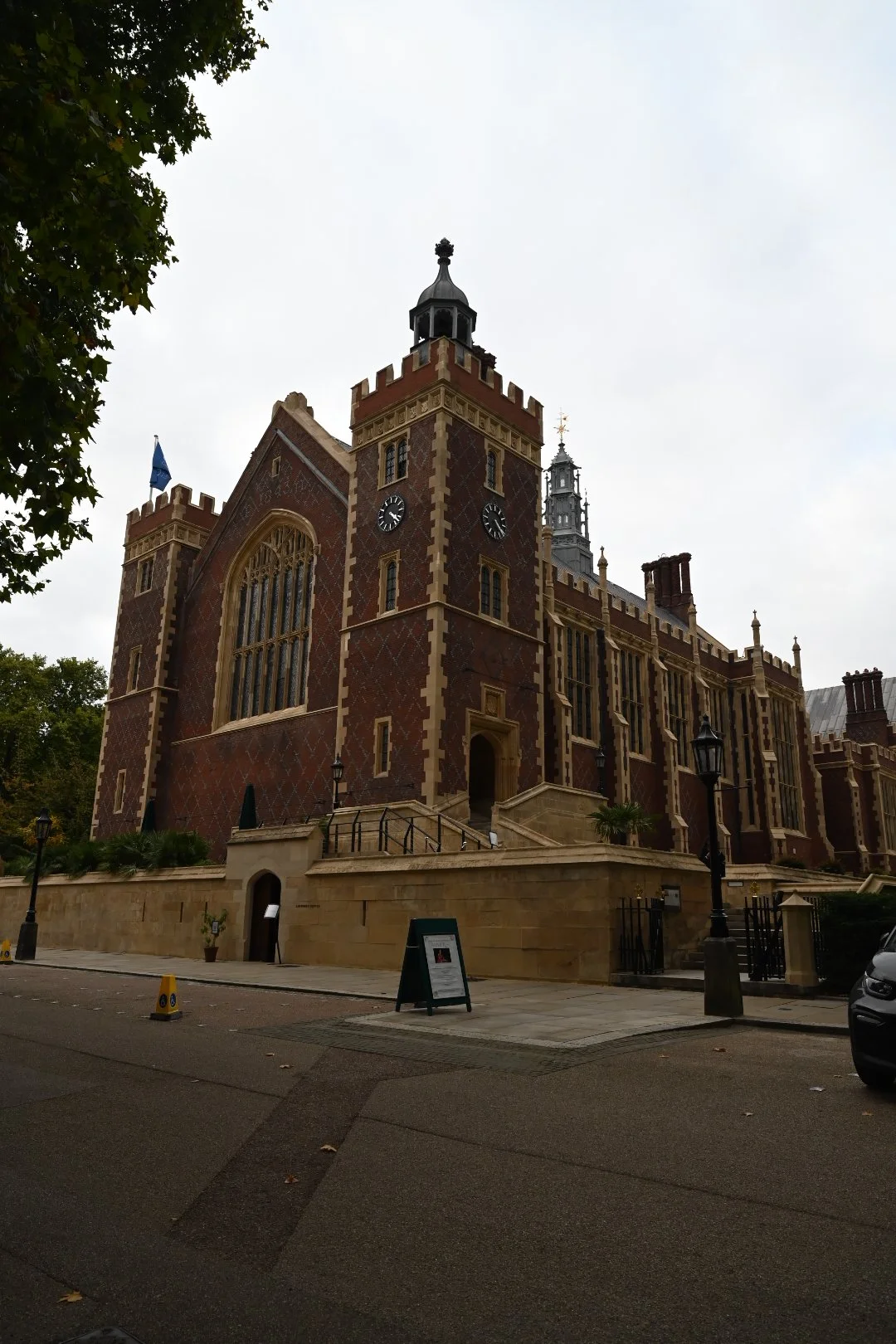
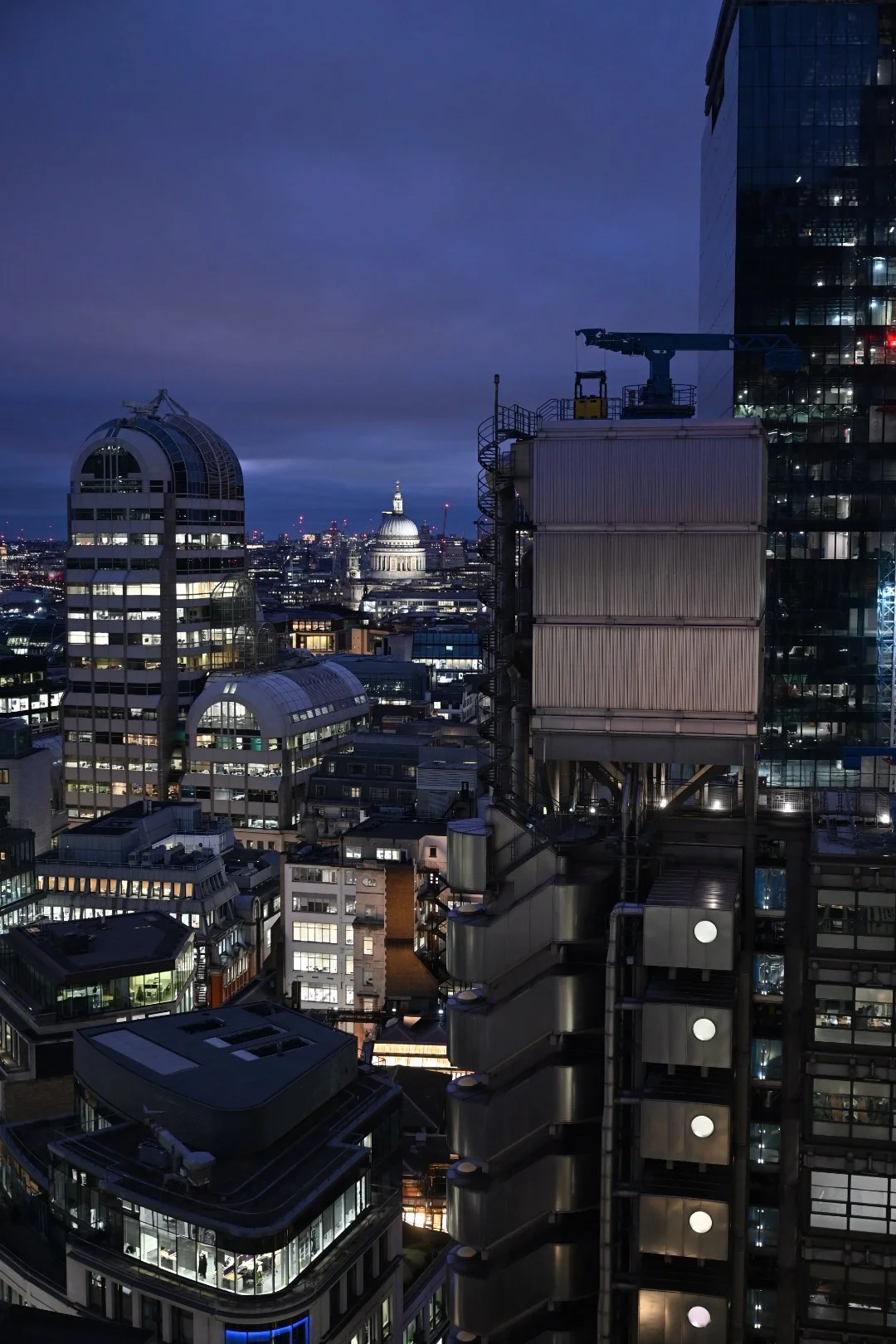
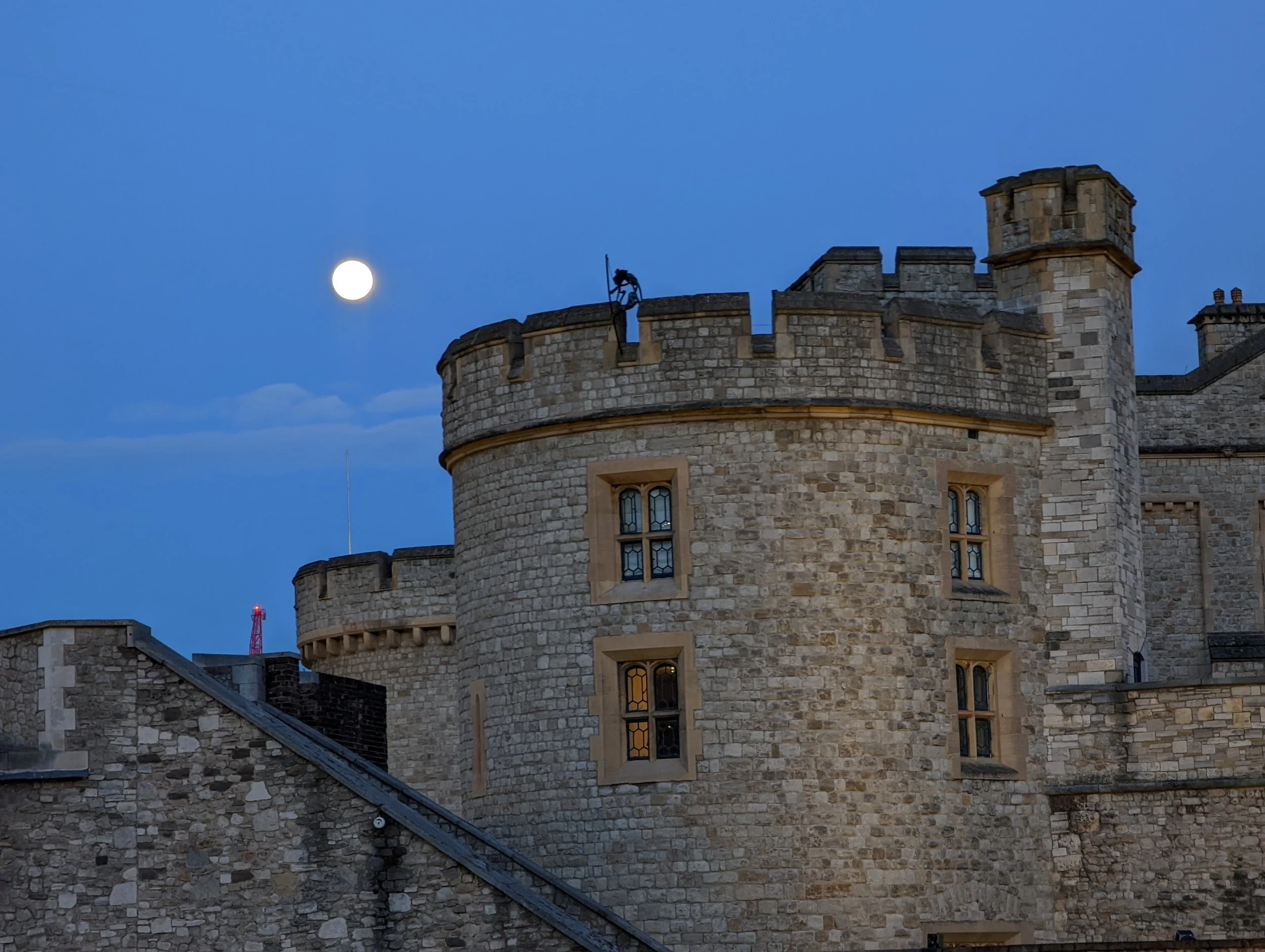
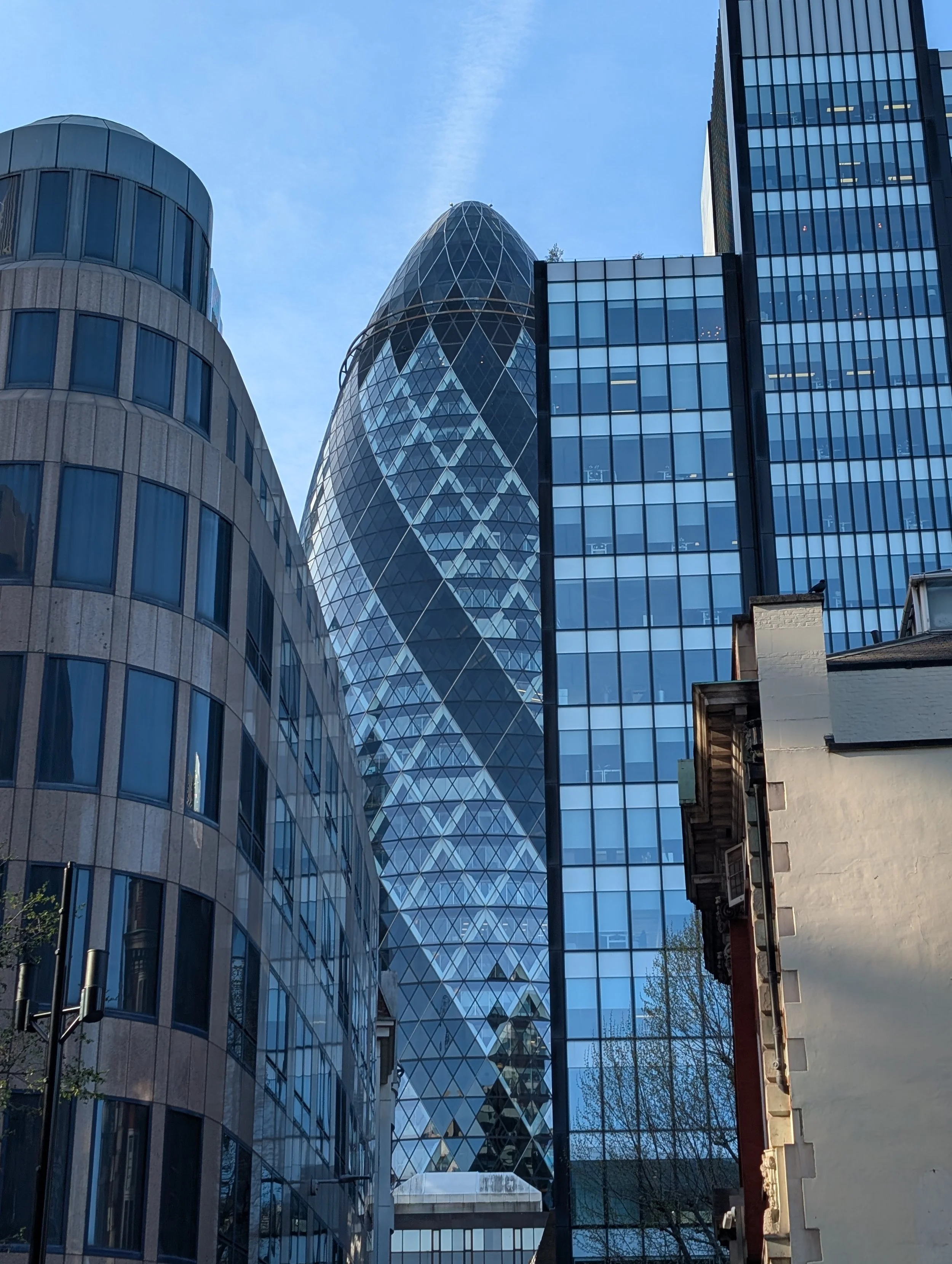
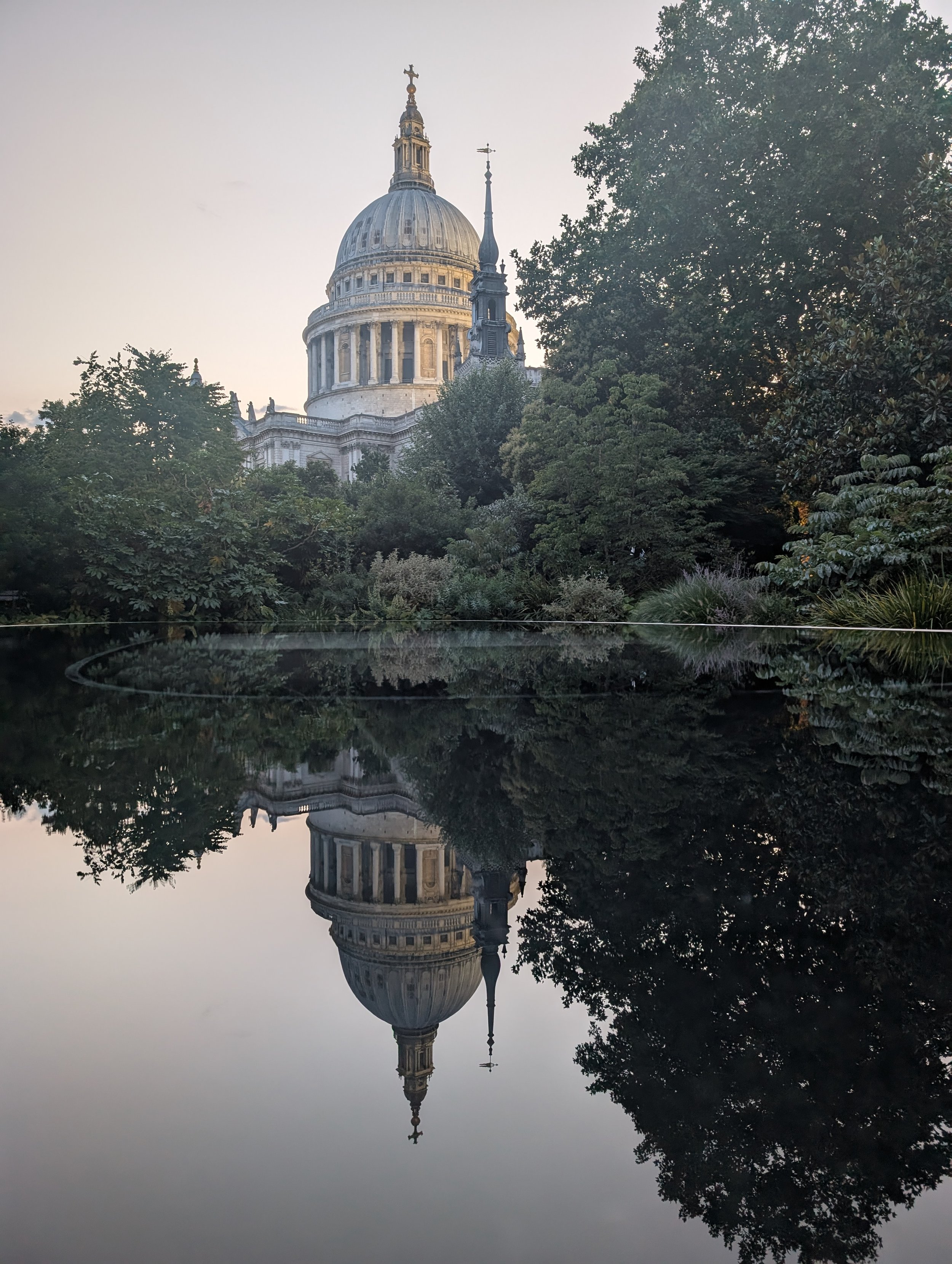
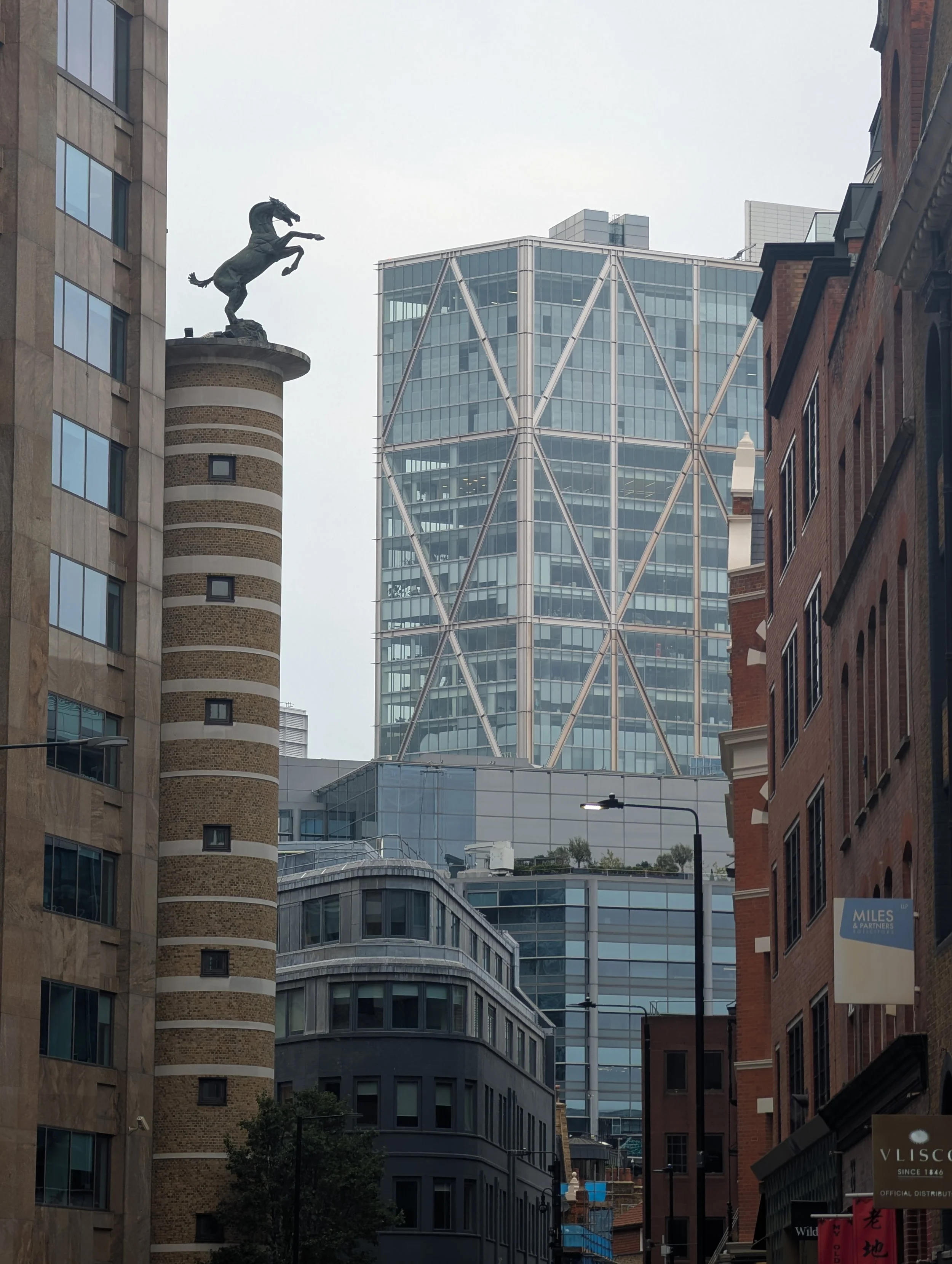
The City of London—the ancient "Square Mile"—is where Roman Londinium was founded over two thousand years ago. Today, it stands as an architectural collision of eras, where towering glass icons like The Gherkin and The Cheesegrater rise straight above cobblestone medieval lanes, Wren churchyards, and the Victorian iron arches of Leadenhall Market.
Highlights from the Historic Square Mile
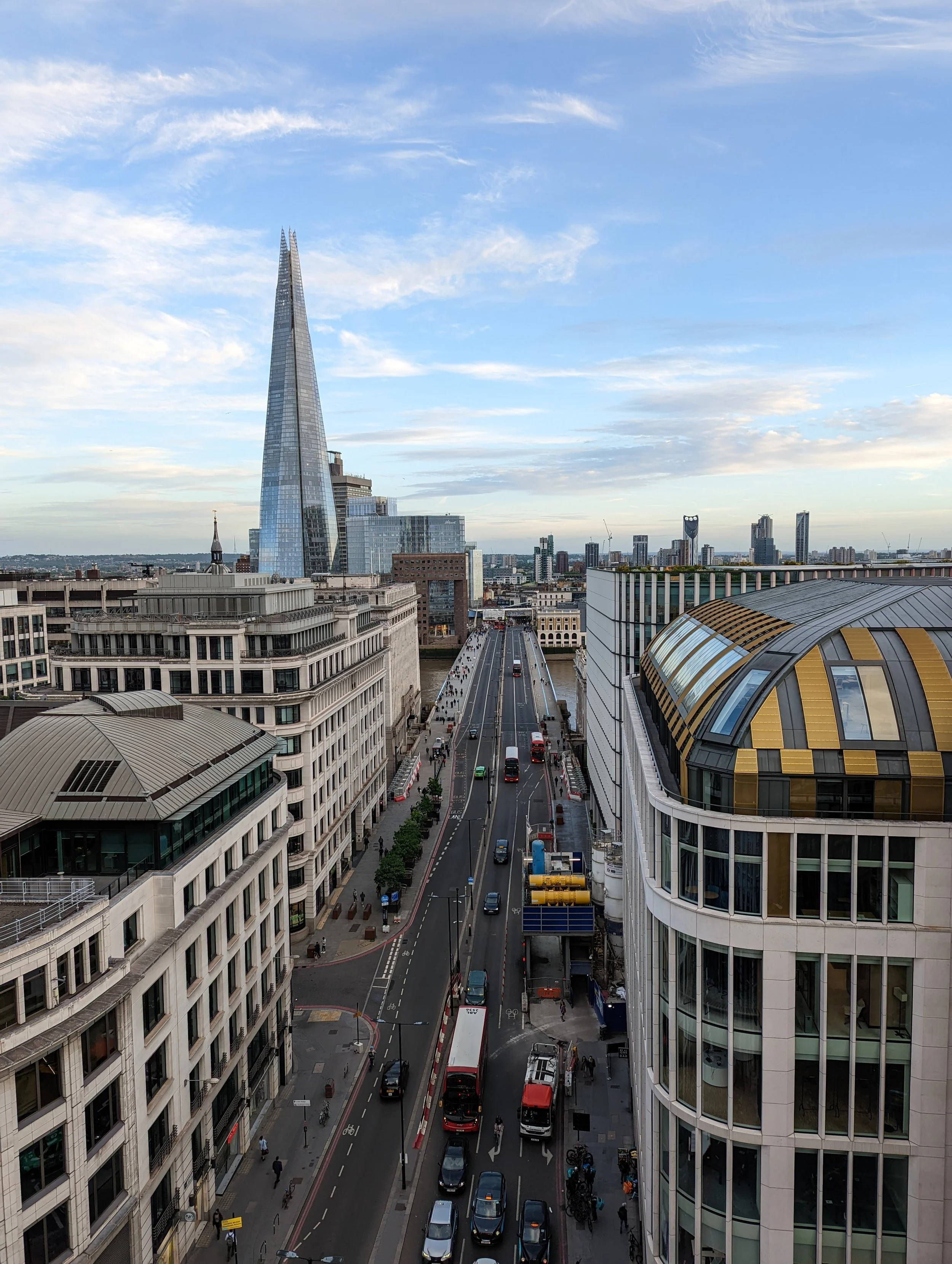
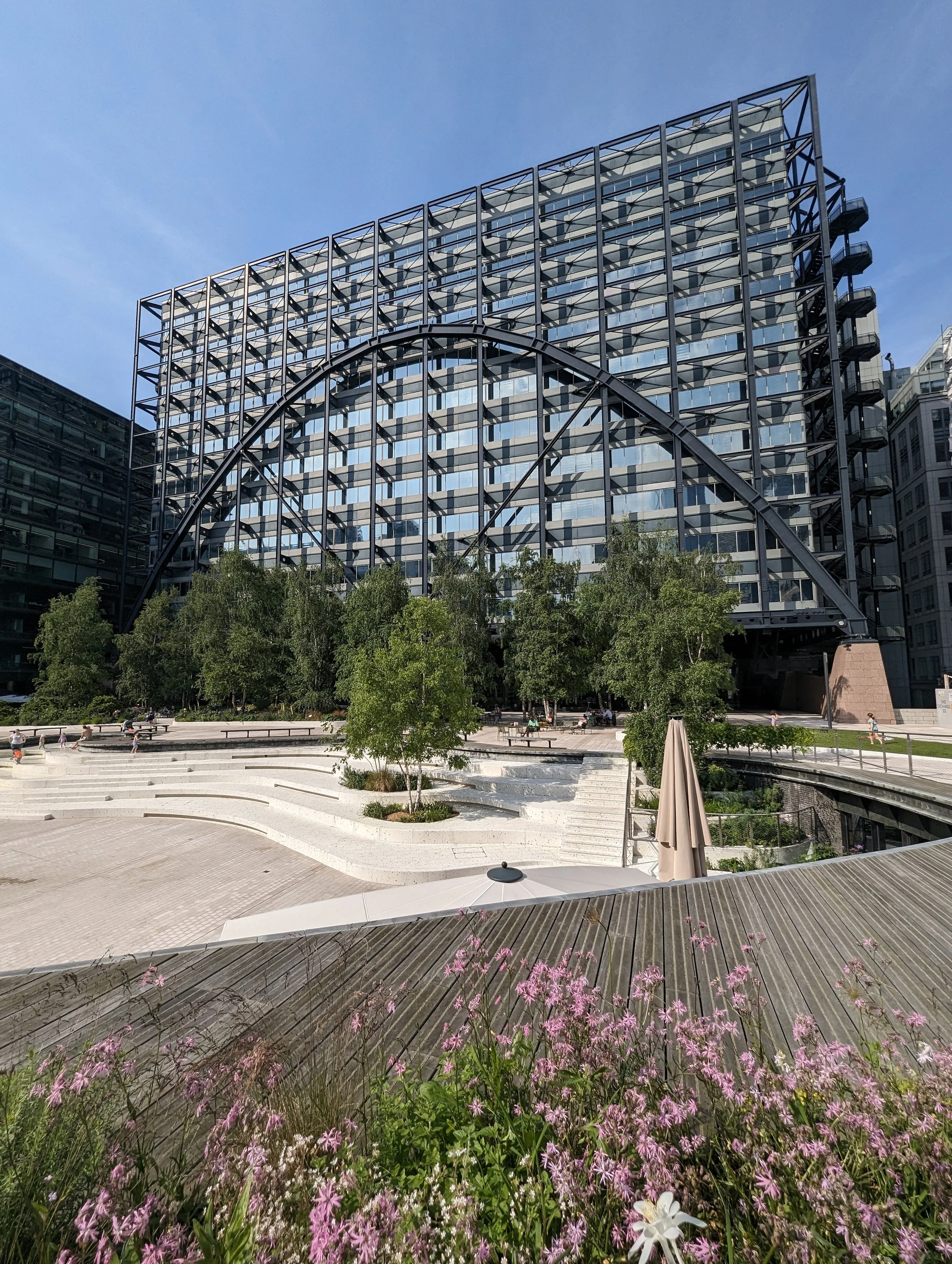
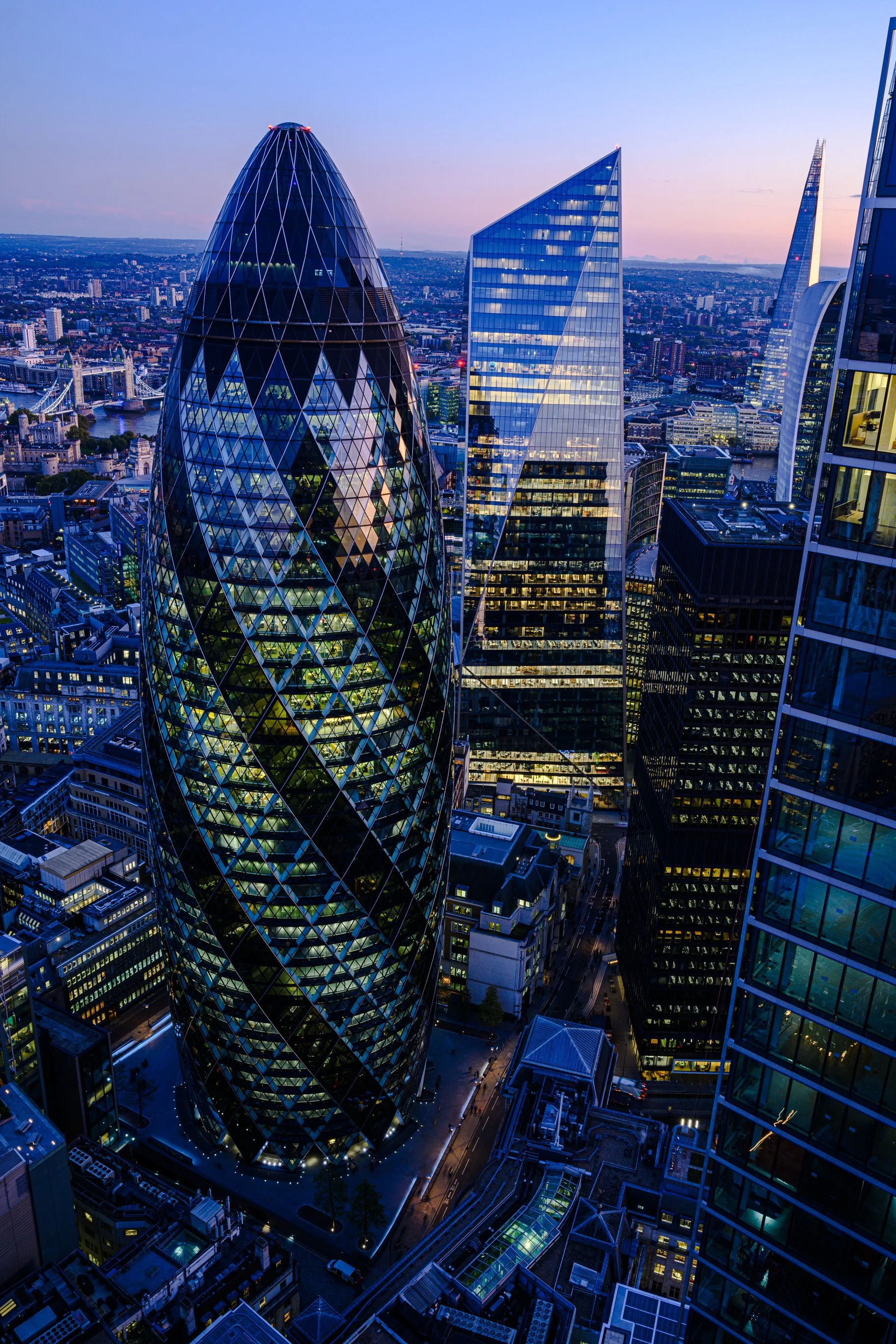
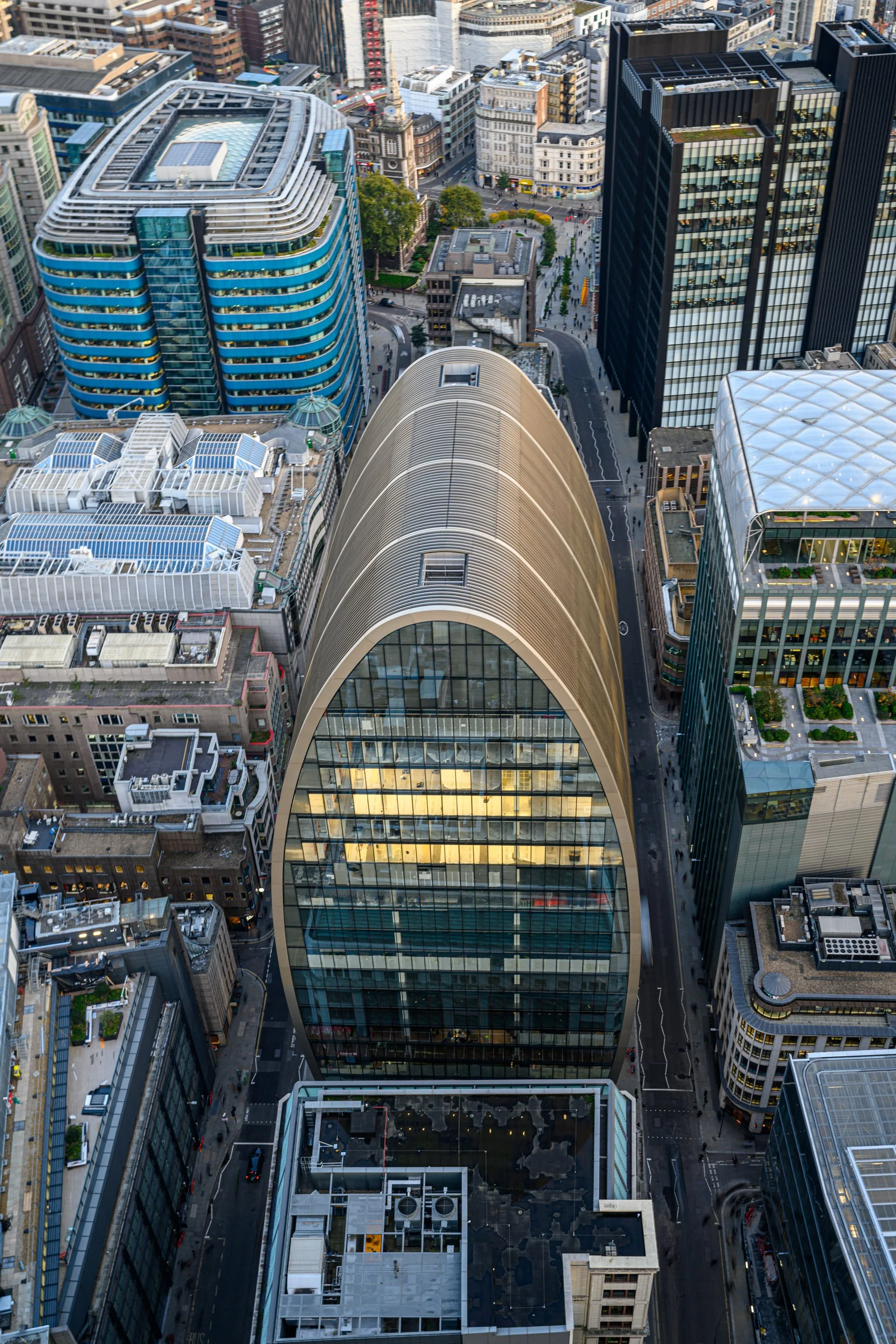
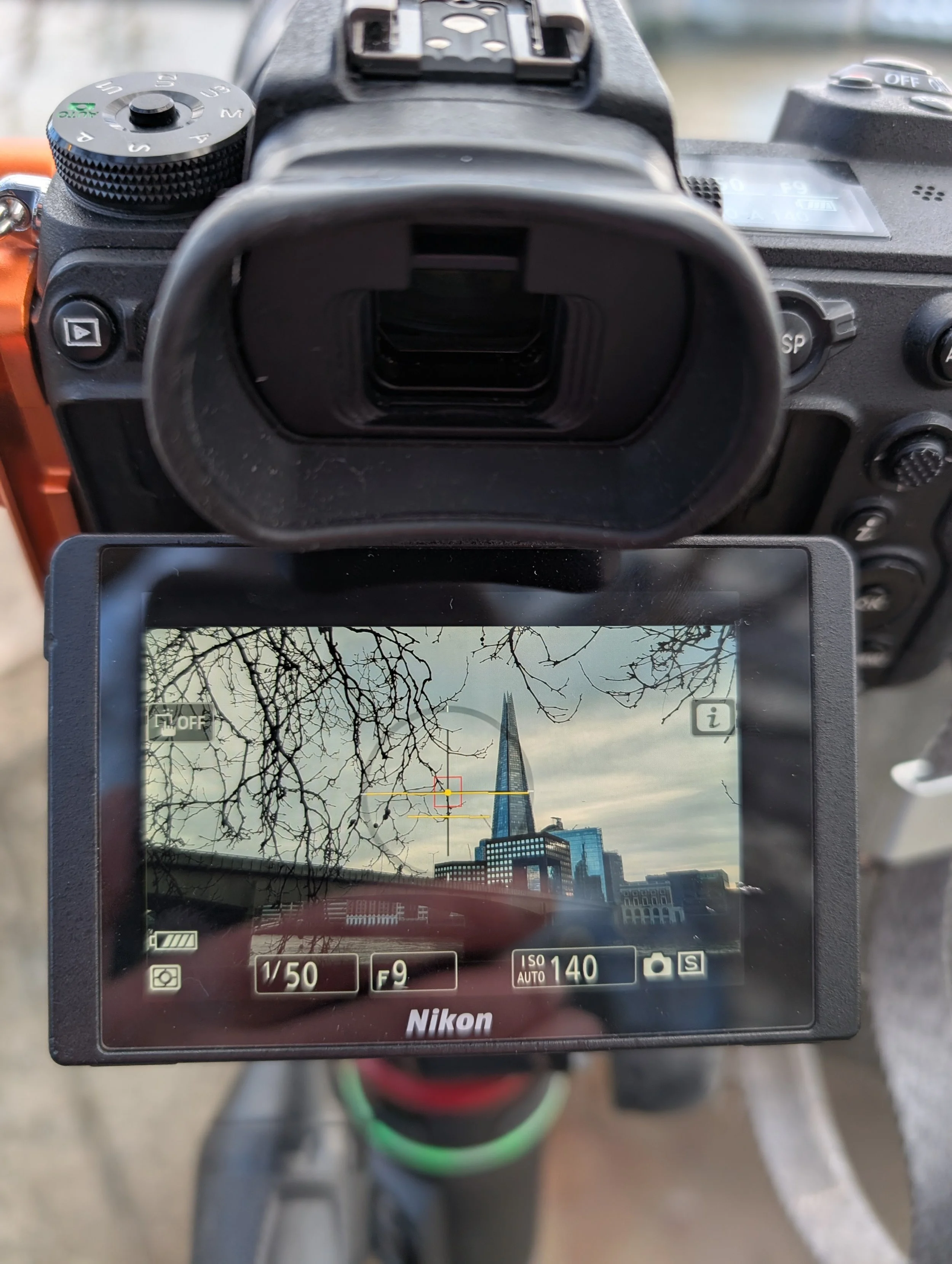
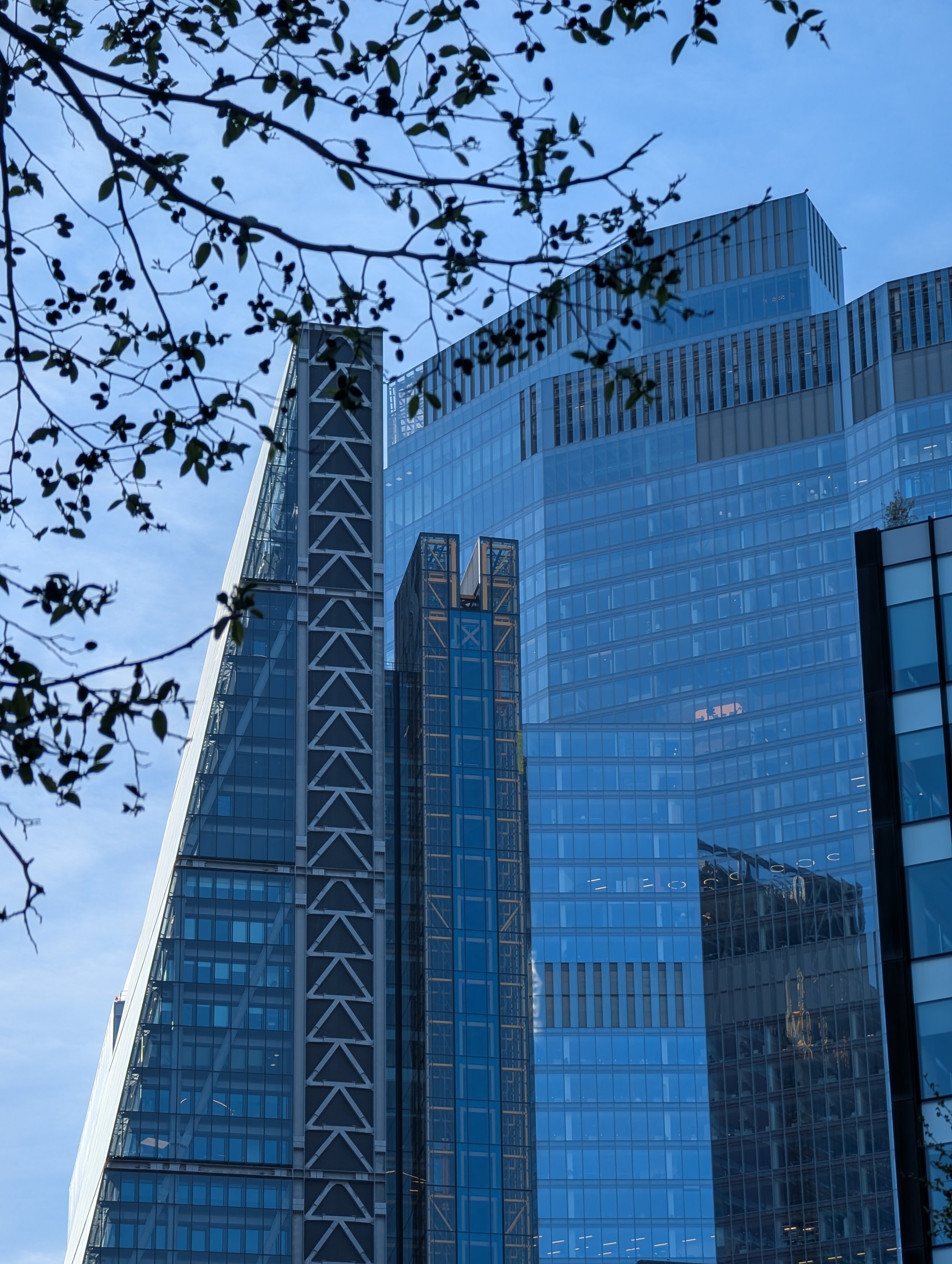
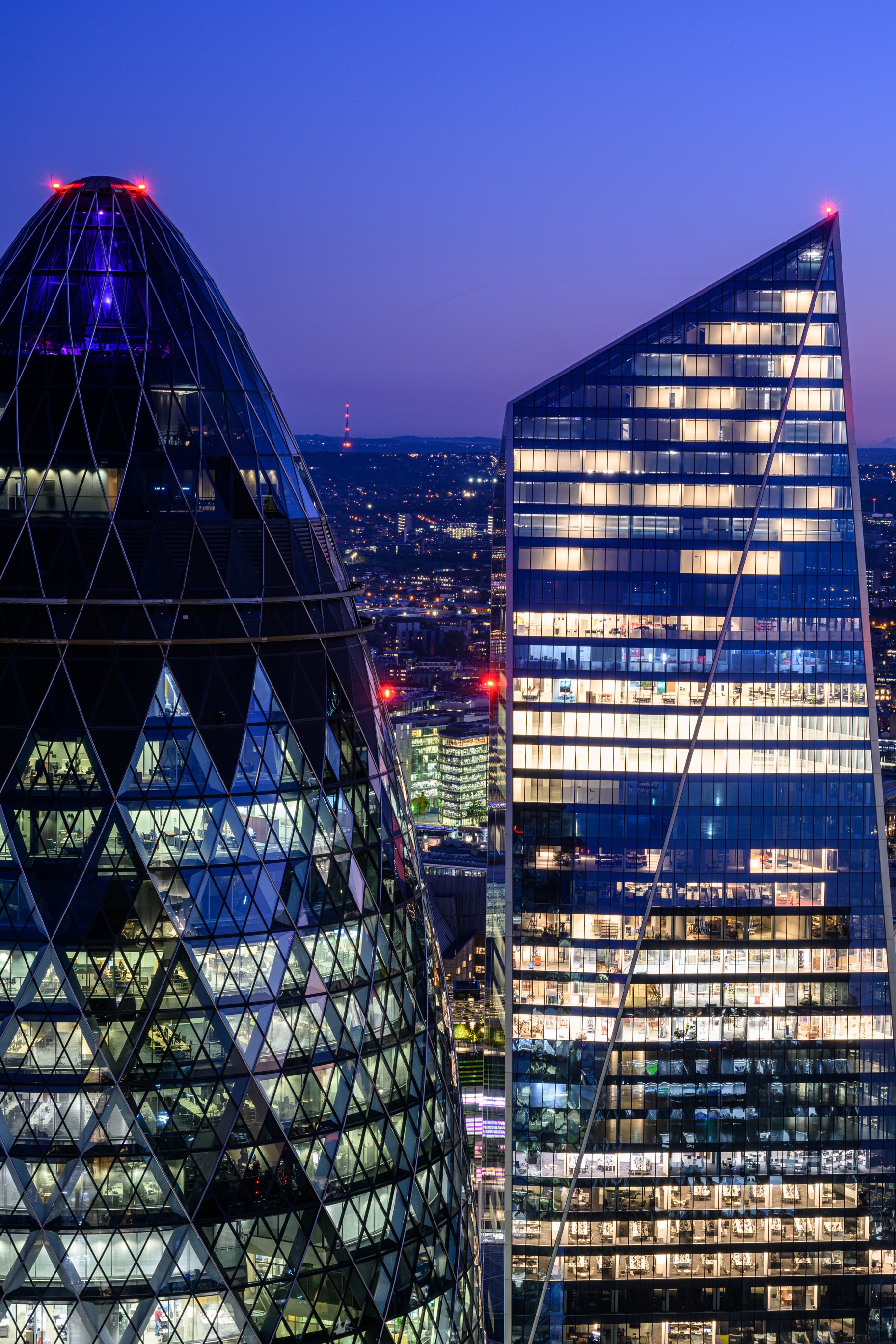
The Futuristic Skyscraper Cluster: Gazing up into the canyon of world-famous contemporary architecture. Landmark towers like 30 St Mary Axe (The Gherkin), 122 Leadenhall Street (The Cheesegrater), and 22 Bishopsgate soar into the skyline, creating dramatic geometric angles and hyper-modern reflections against the streets below.
Leadenhall Market: Stepping beneath the ornate Victorian wrought-iron and glass canopy of one of London’s oldest market sites. With its cobbled passages, rich crimson and cream arches, and timeless shopfronts, it offers an evocative journey into 19th-century London that famously doubled as Diagon Alley on screen.
St Dunstan in the East: Uncovering one of the capital’s most atmospheric secret gardens. Originally designed by Sir Christopher Wren and heavily damaged during the Blitz, the gothic church ruins have been reclaimed by nature, with climbing vines, ivy-draped archways, and quiet benches providing a tranquil sanctuary hidden between corporate high-rises.
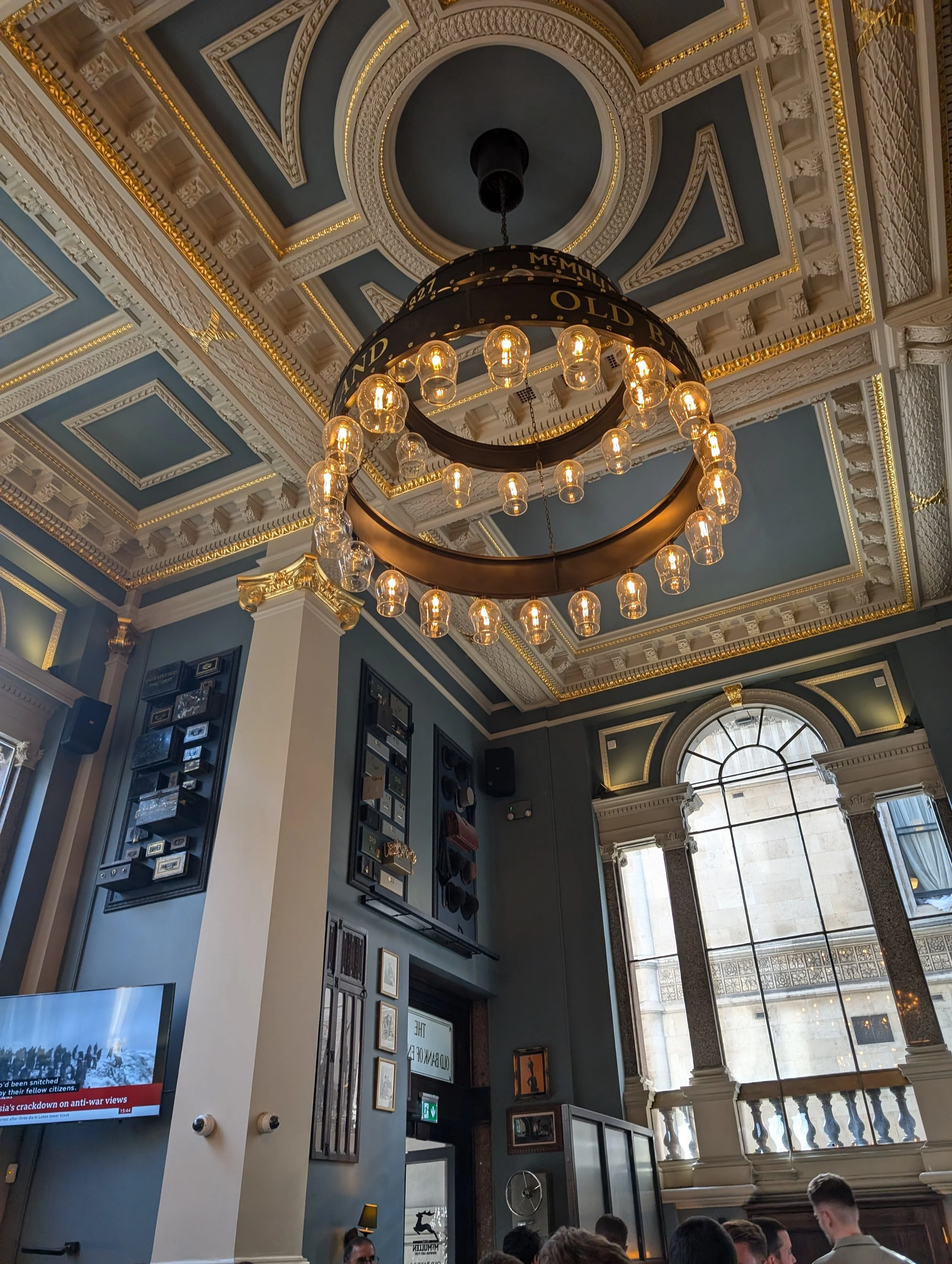
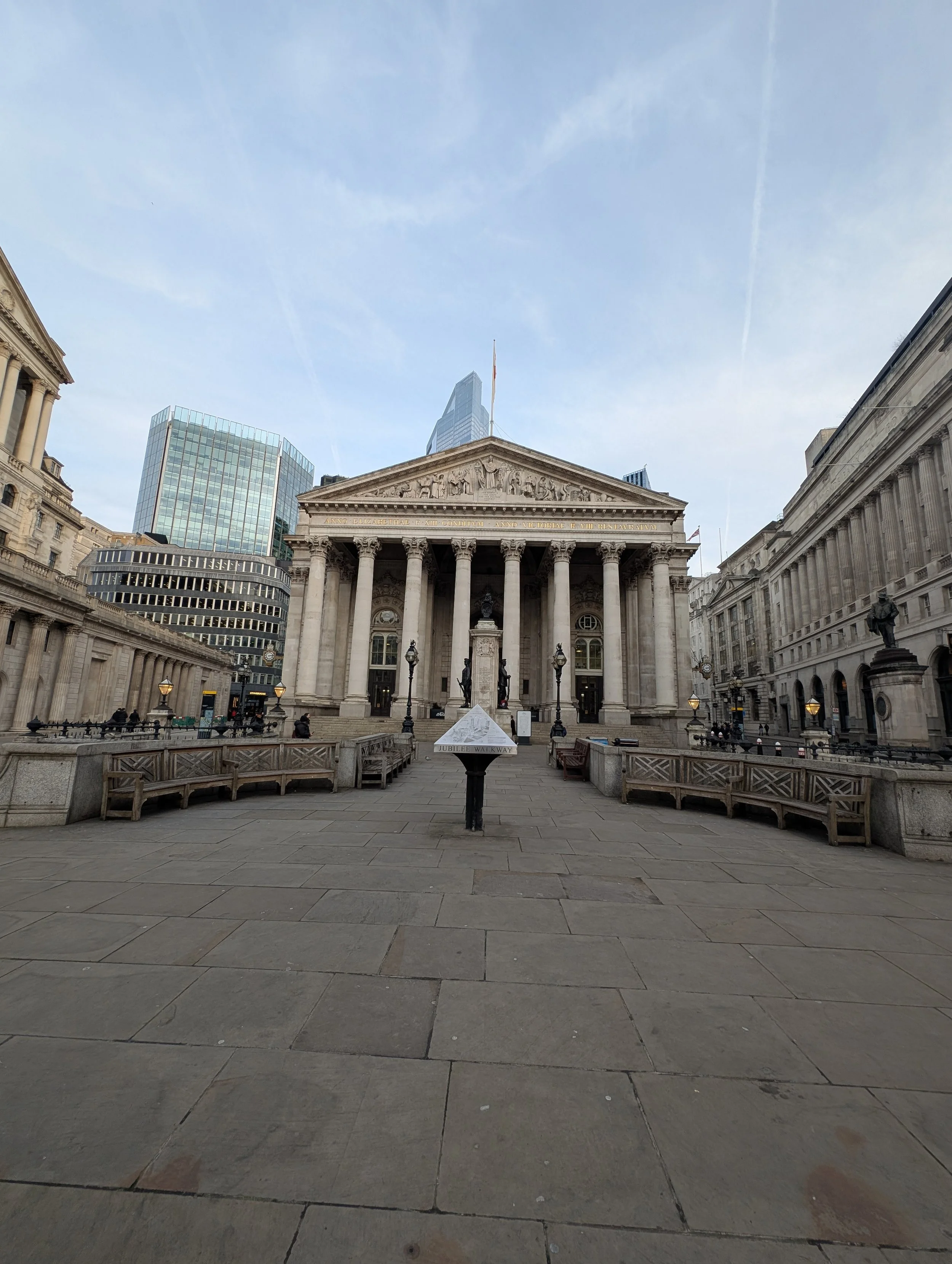
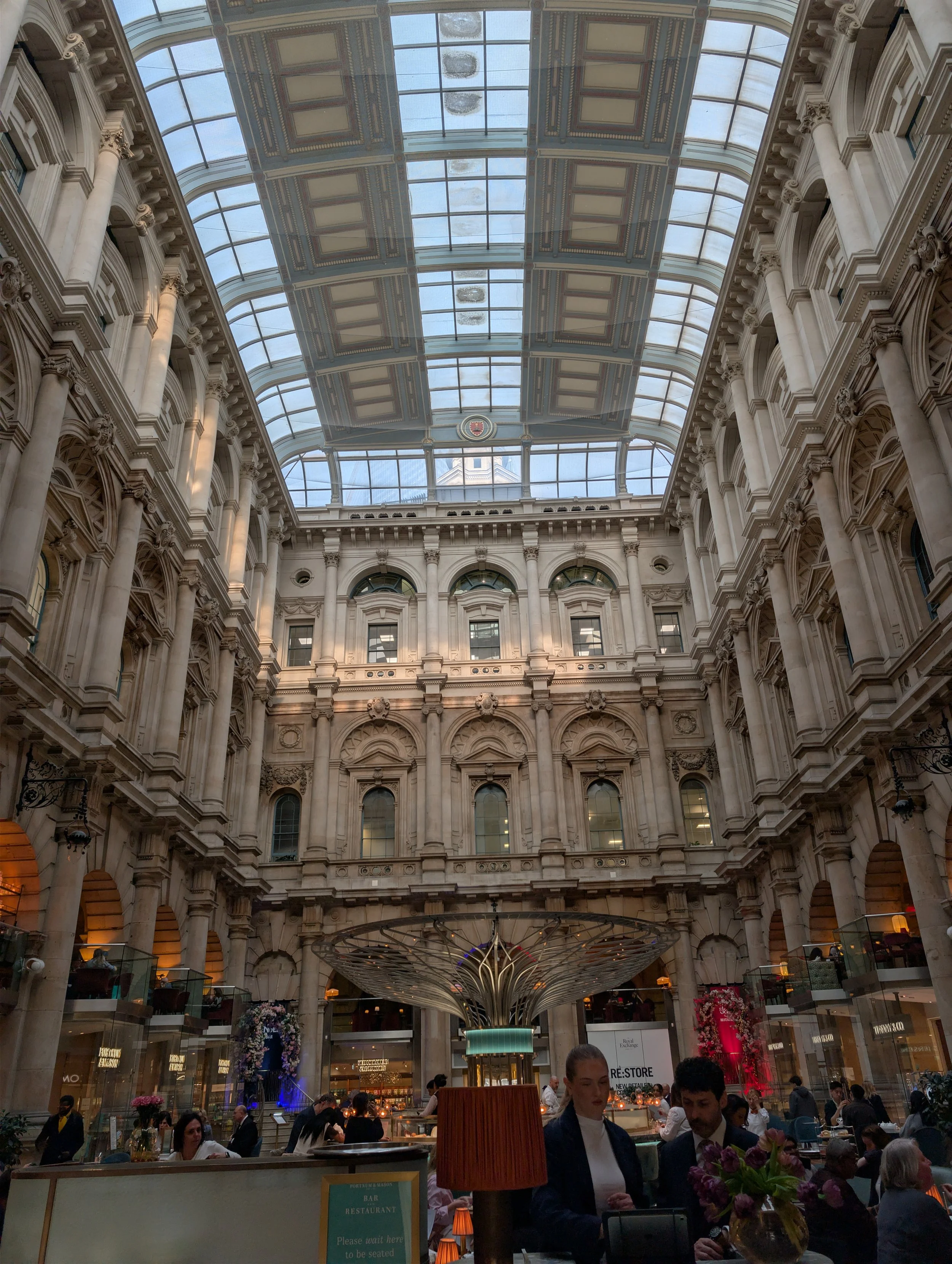
The Bank Junction & Royal Exchange: Standing at the historic financial crossroads where the monumental Corinthian columns of the Royal Exchange face off against the formidable, windowless stone curtain wall of Sir John Soane’s Bank of England and Mansion House.
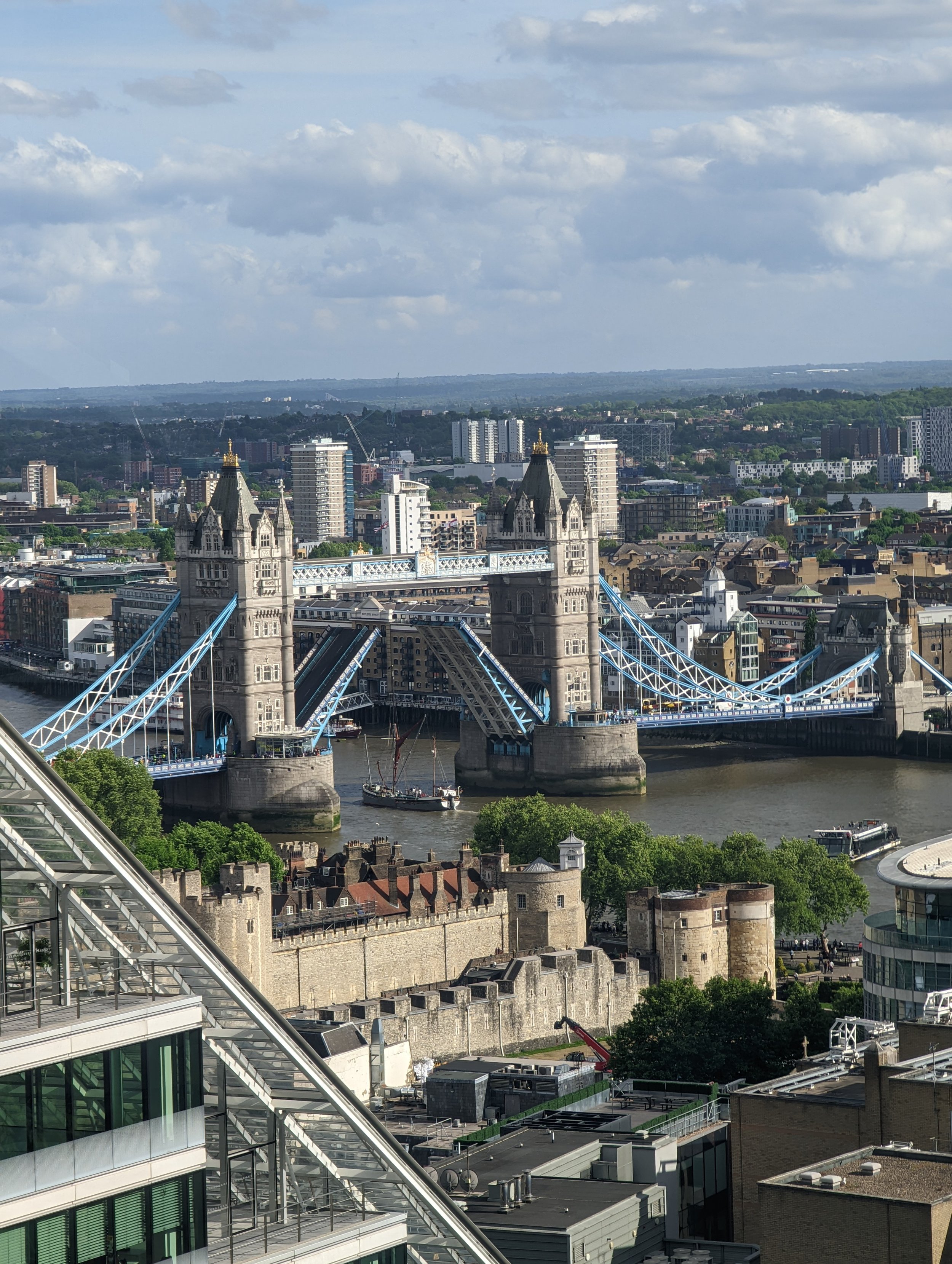
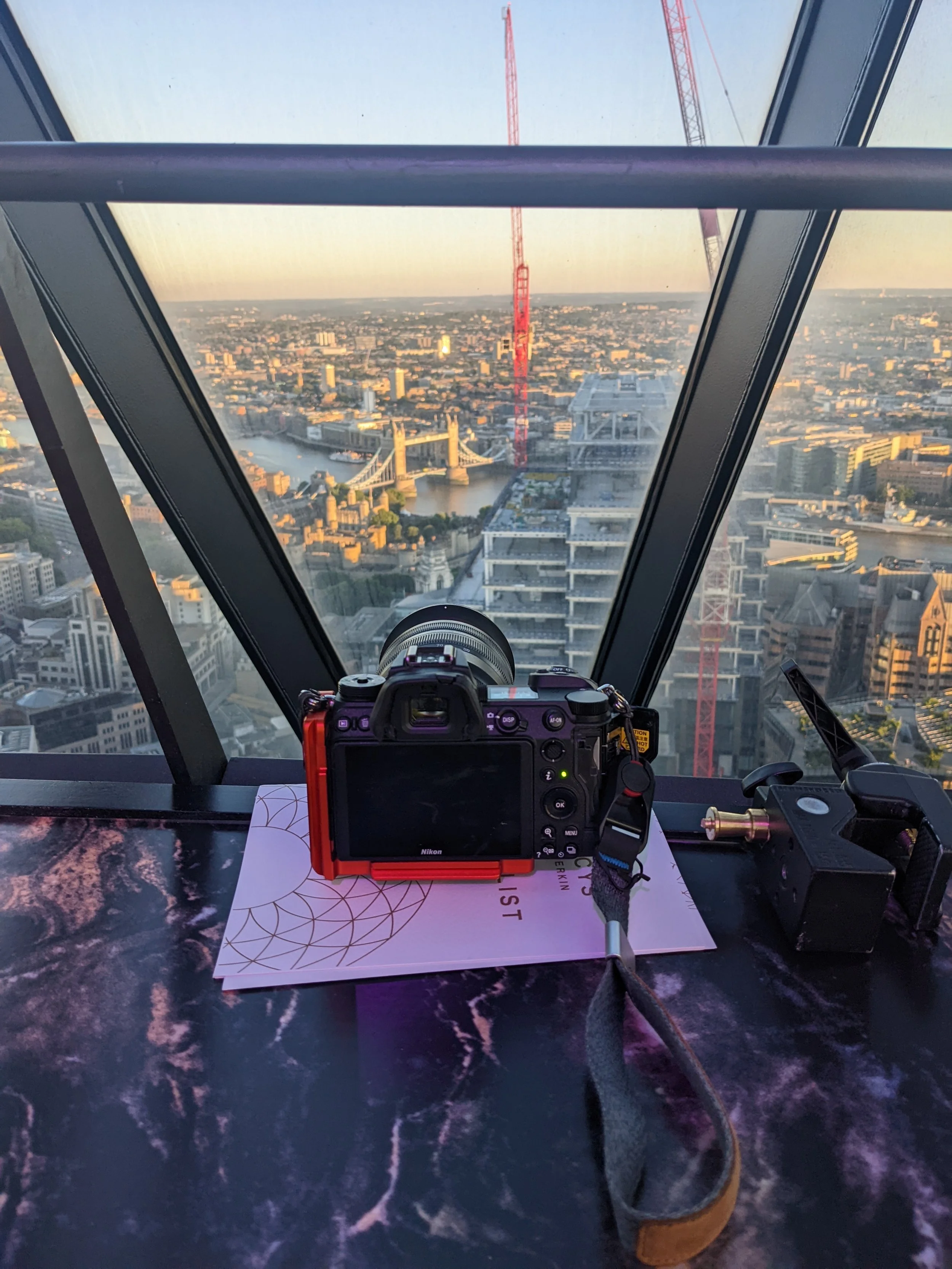
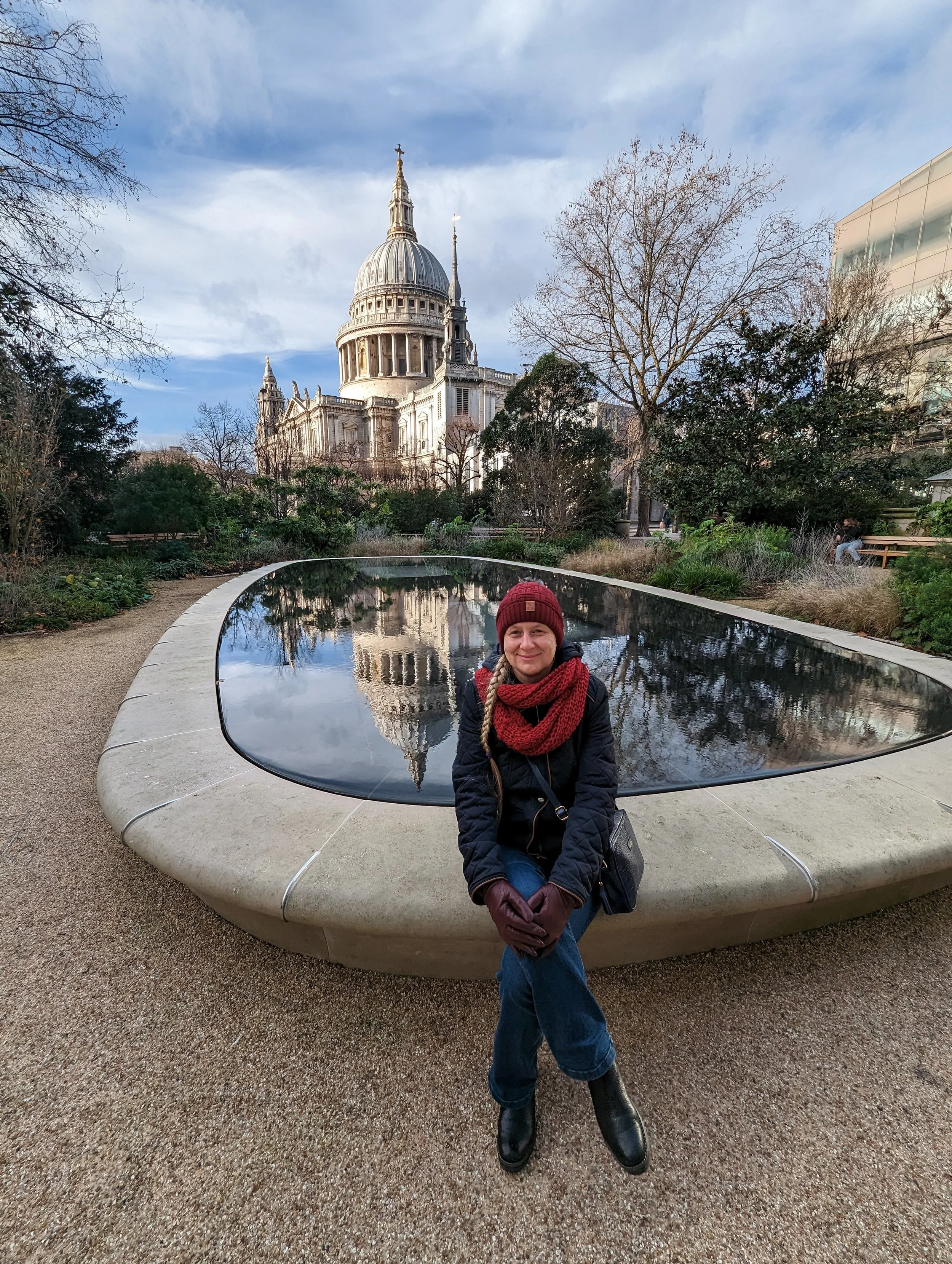
High-Altitude Skyline Vistas: Taking the high-speed elevators up to public viewing platforms like Horizon 22 or the Sky Garden atop the "Walkie Talkie." Looking out from hundreds of metres above reveals panoramic 360-degree views stretching across the Thames, the Tower of London, St Paul’s Cathedral, and far beyond the city limits.
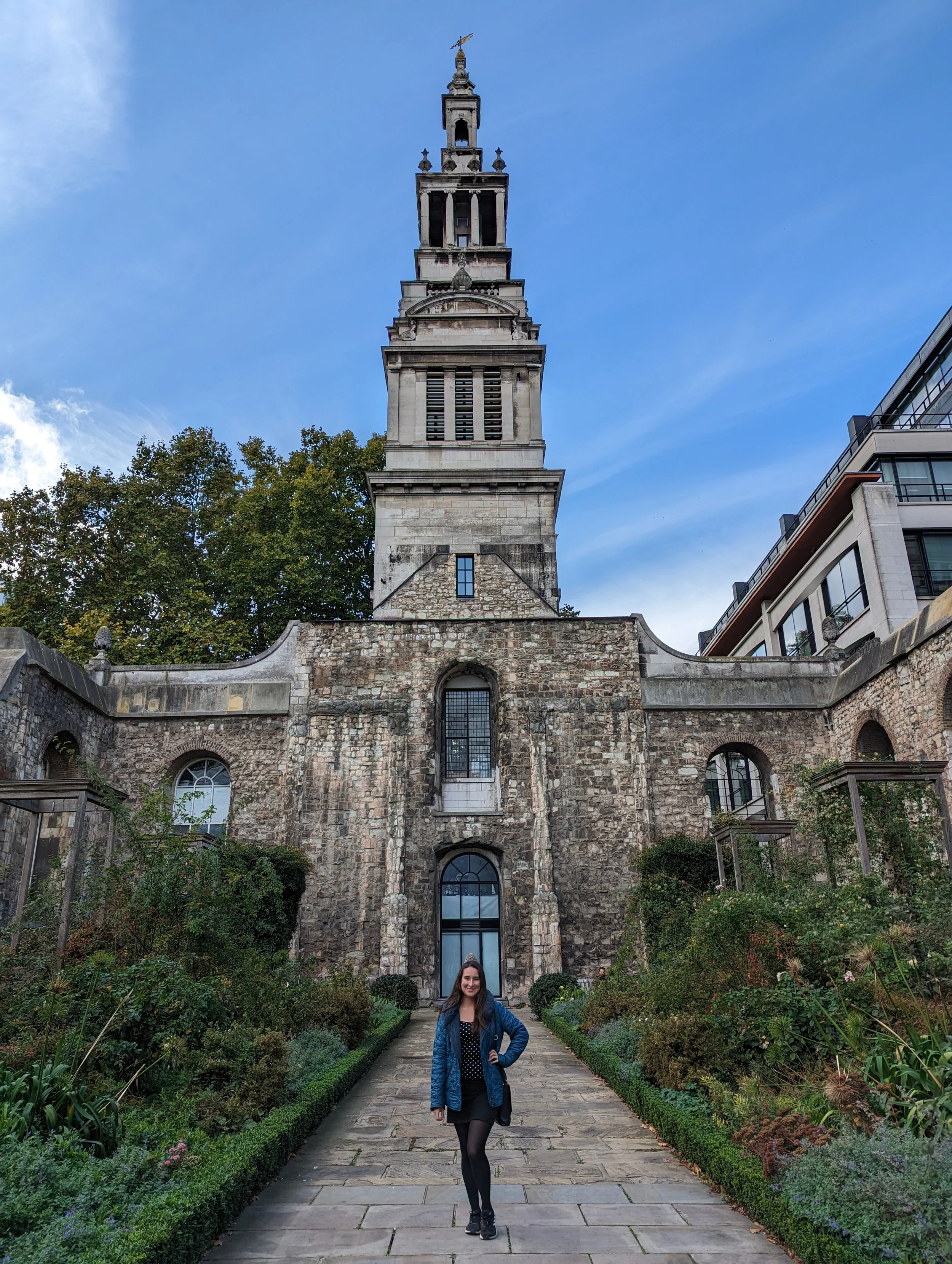
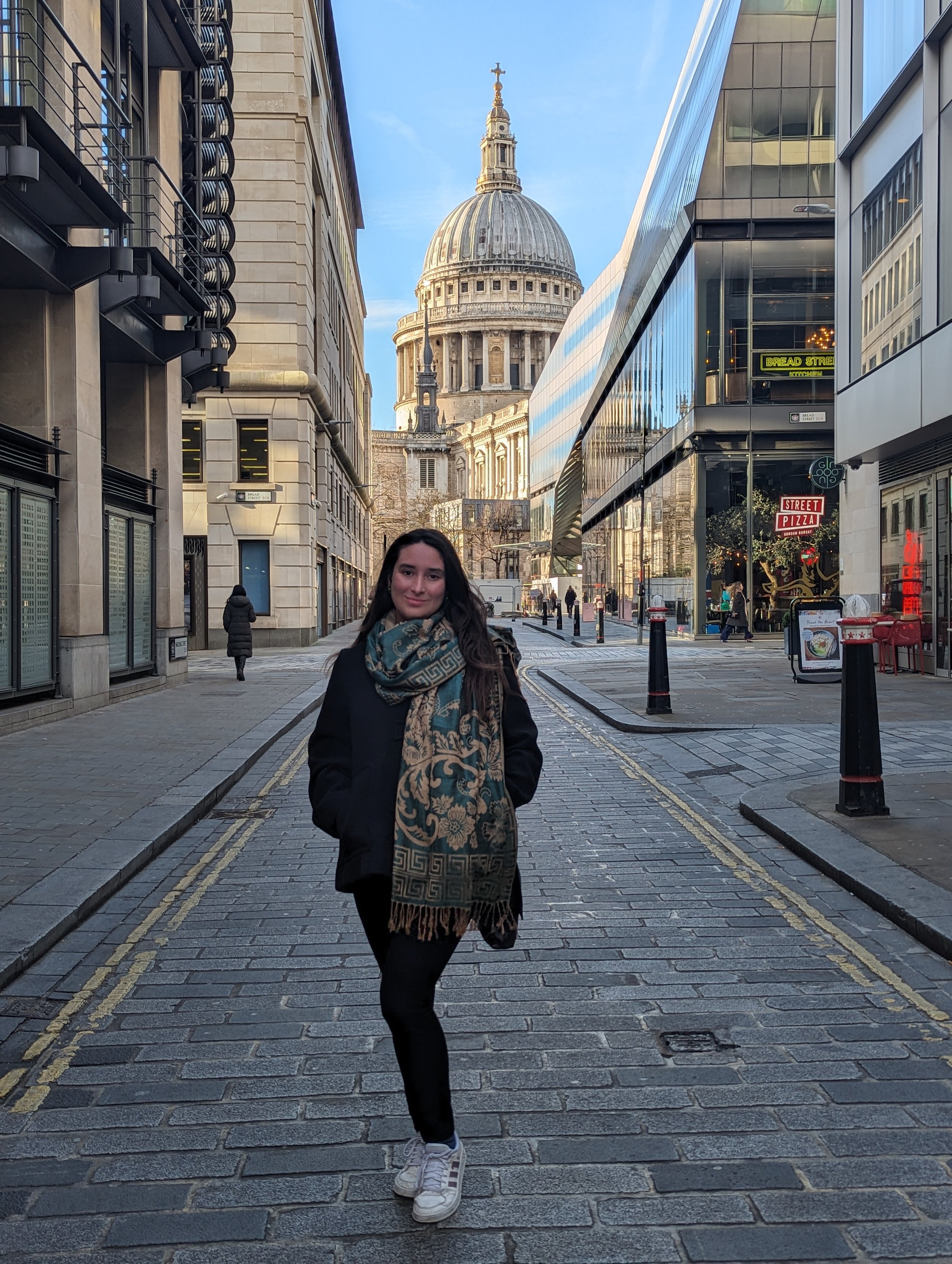
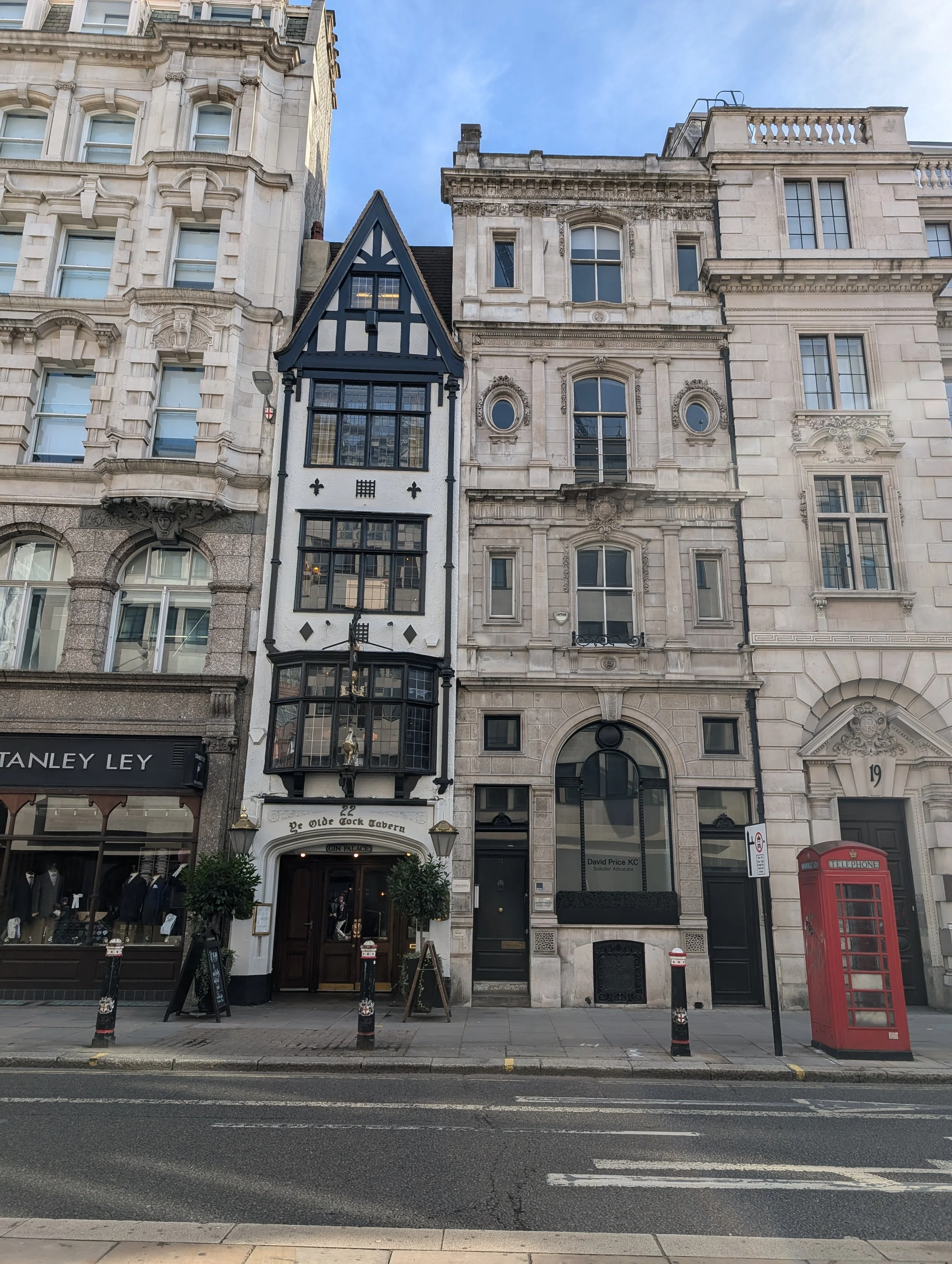
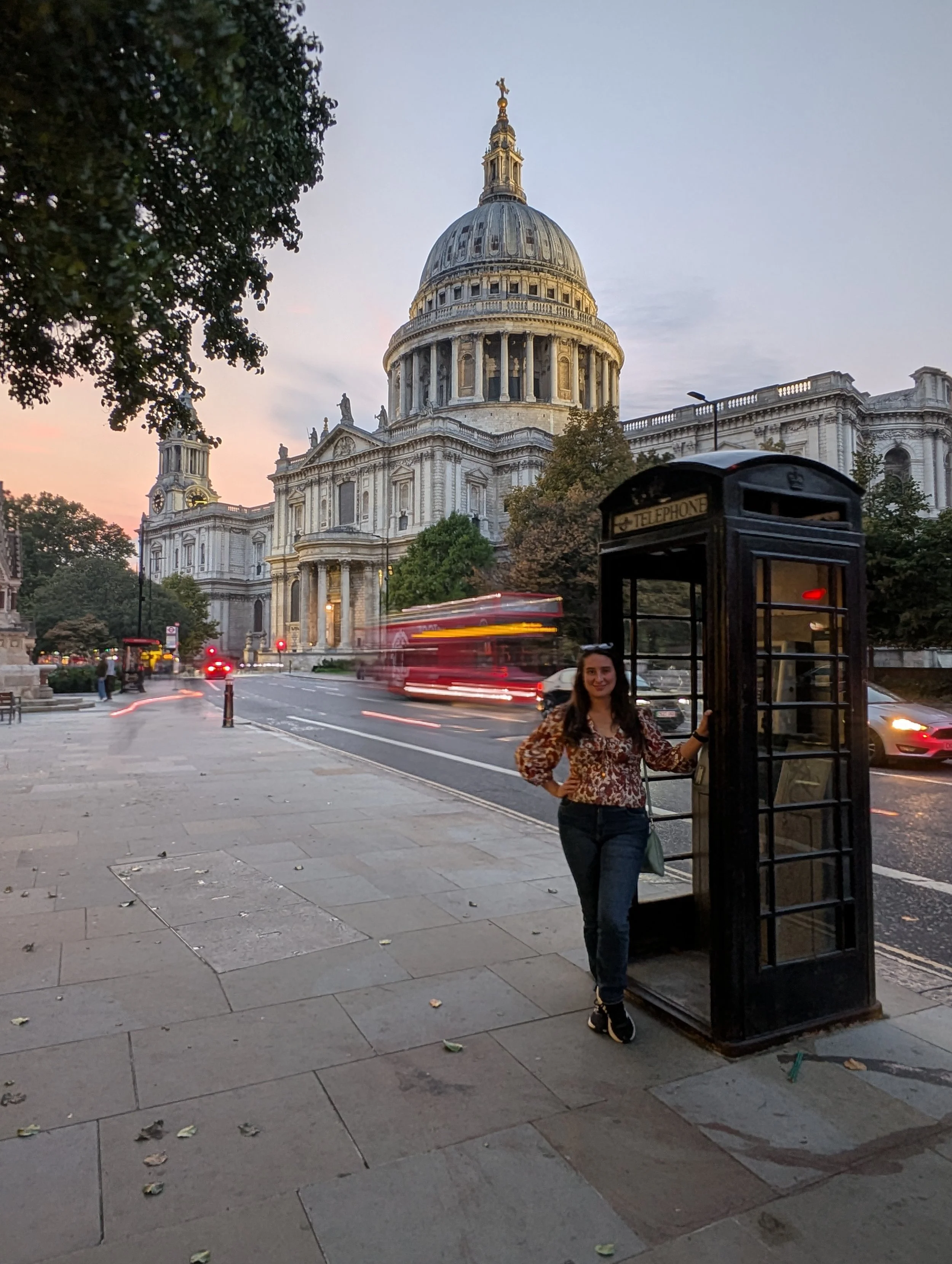
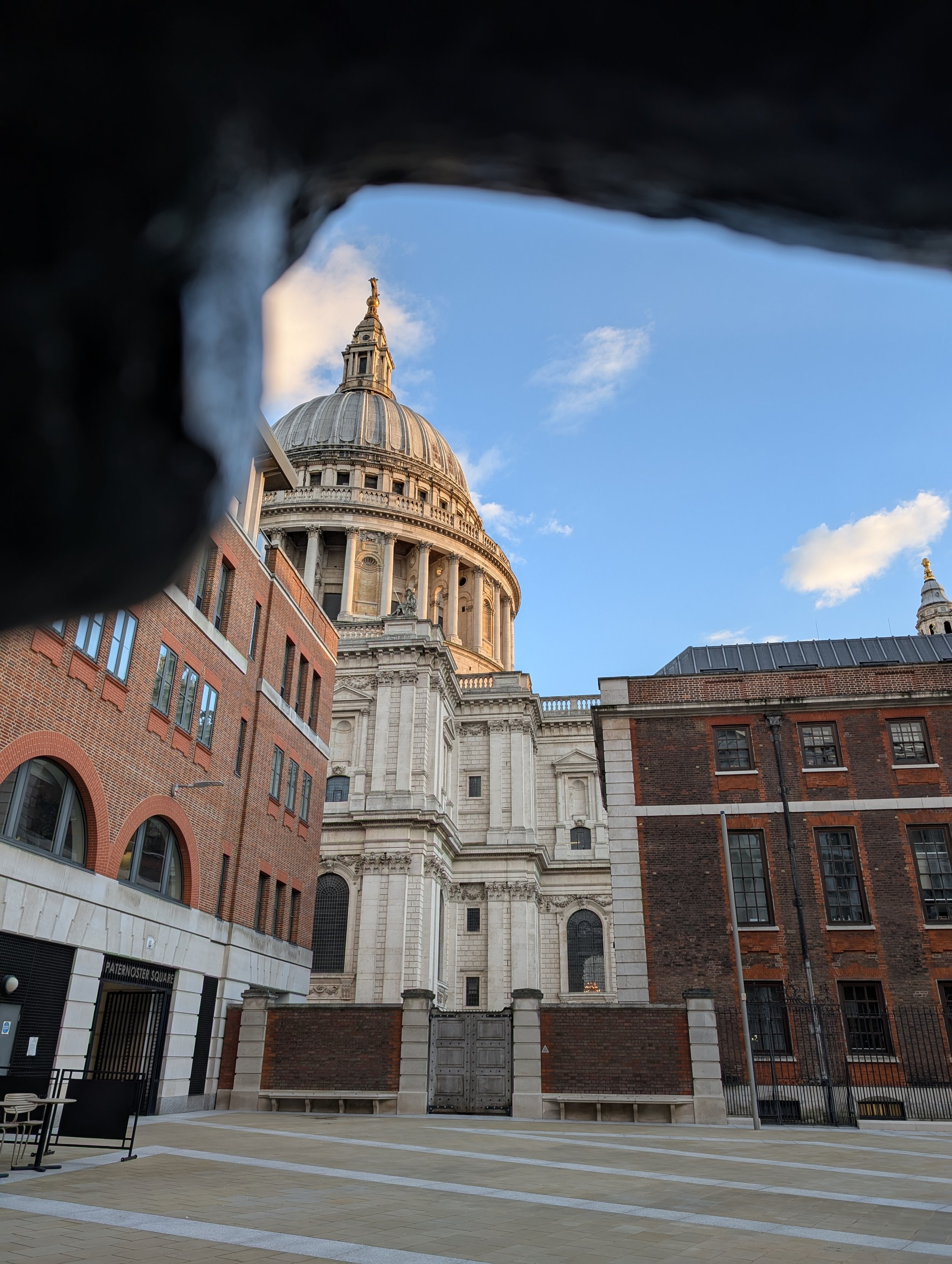
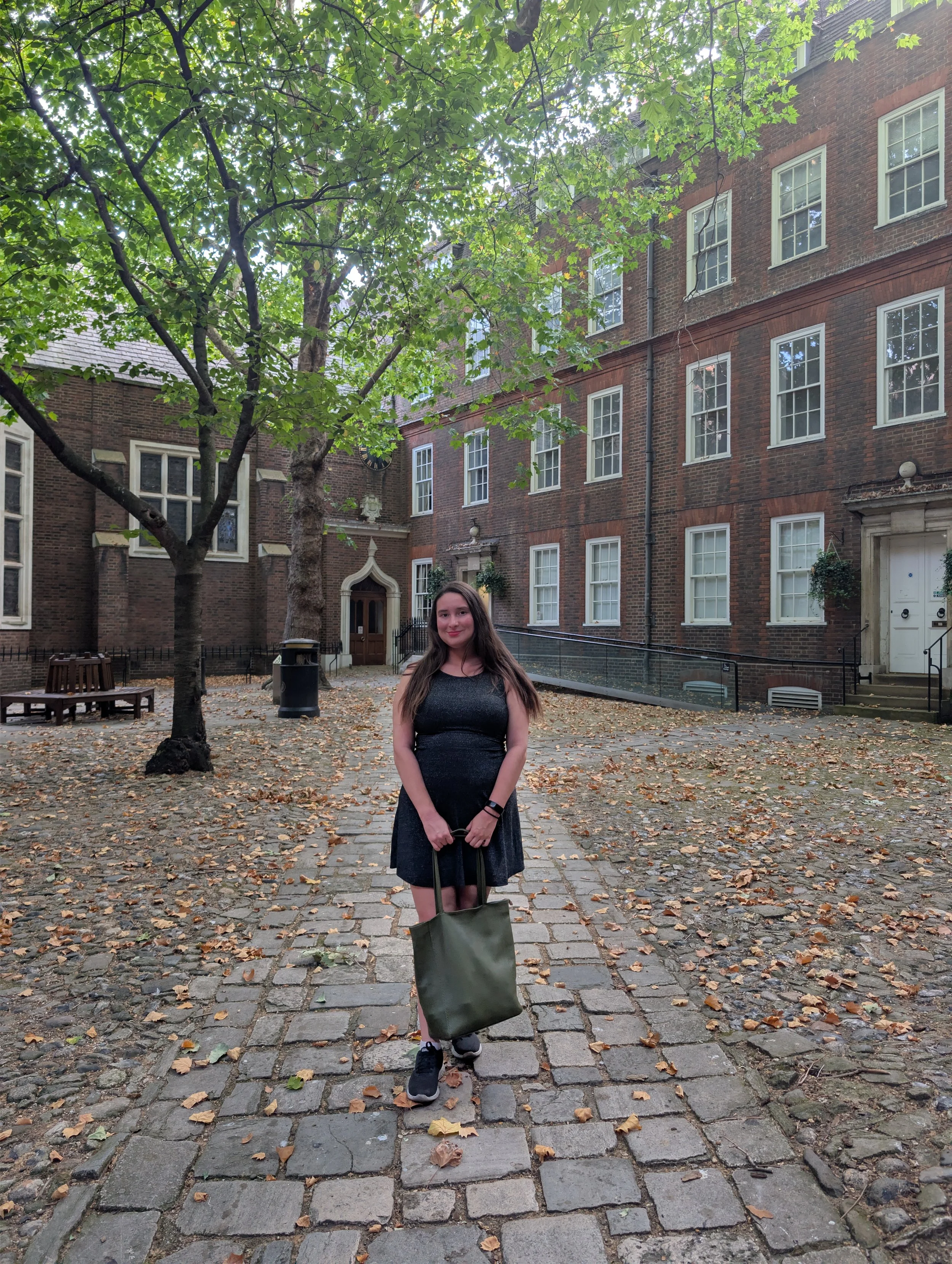
Medieval Alleys & Wren Steeples: Navigating the labyrinth of narrow, gas-lamp-lit passageways branching off Cornhill and Lombard Street, stumbling upon tucked-away historic chop houses and the Portland stone steeples of Christopher Wren’s post-Great Fire churches.