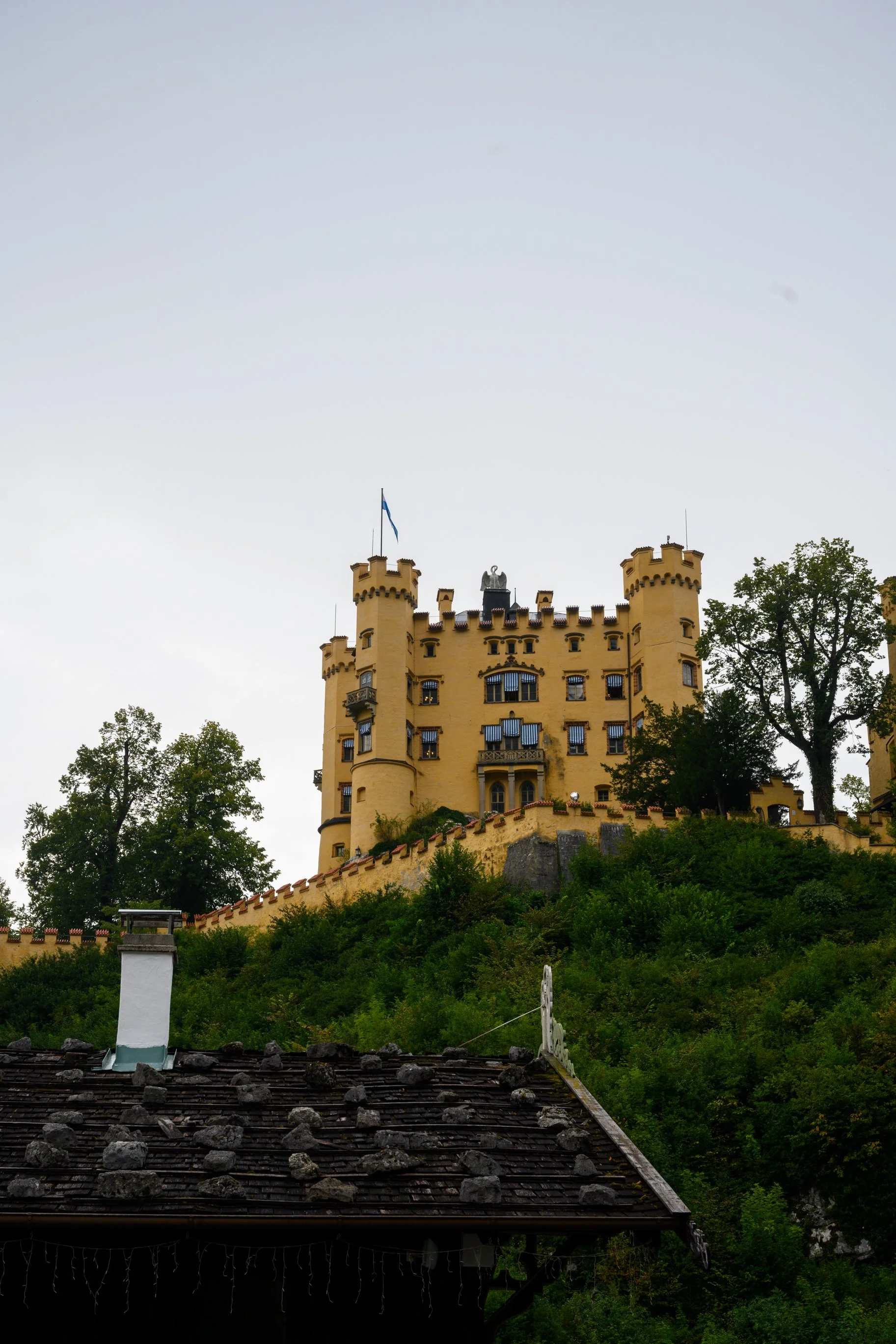
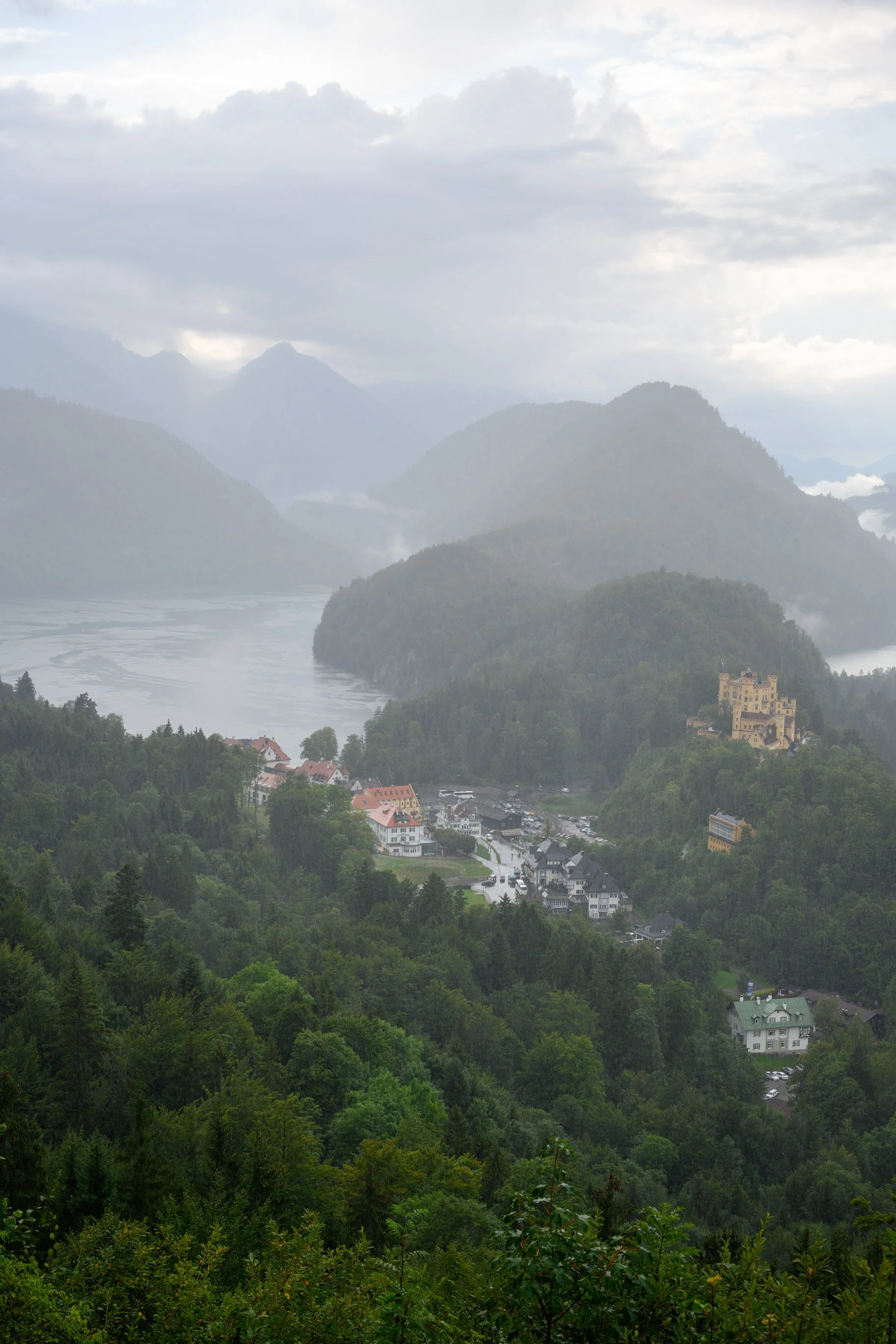
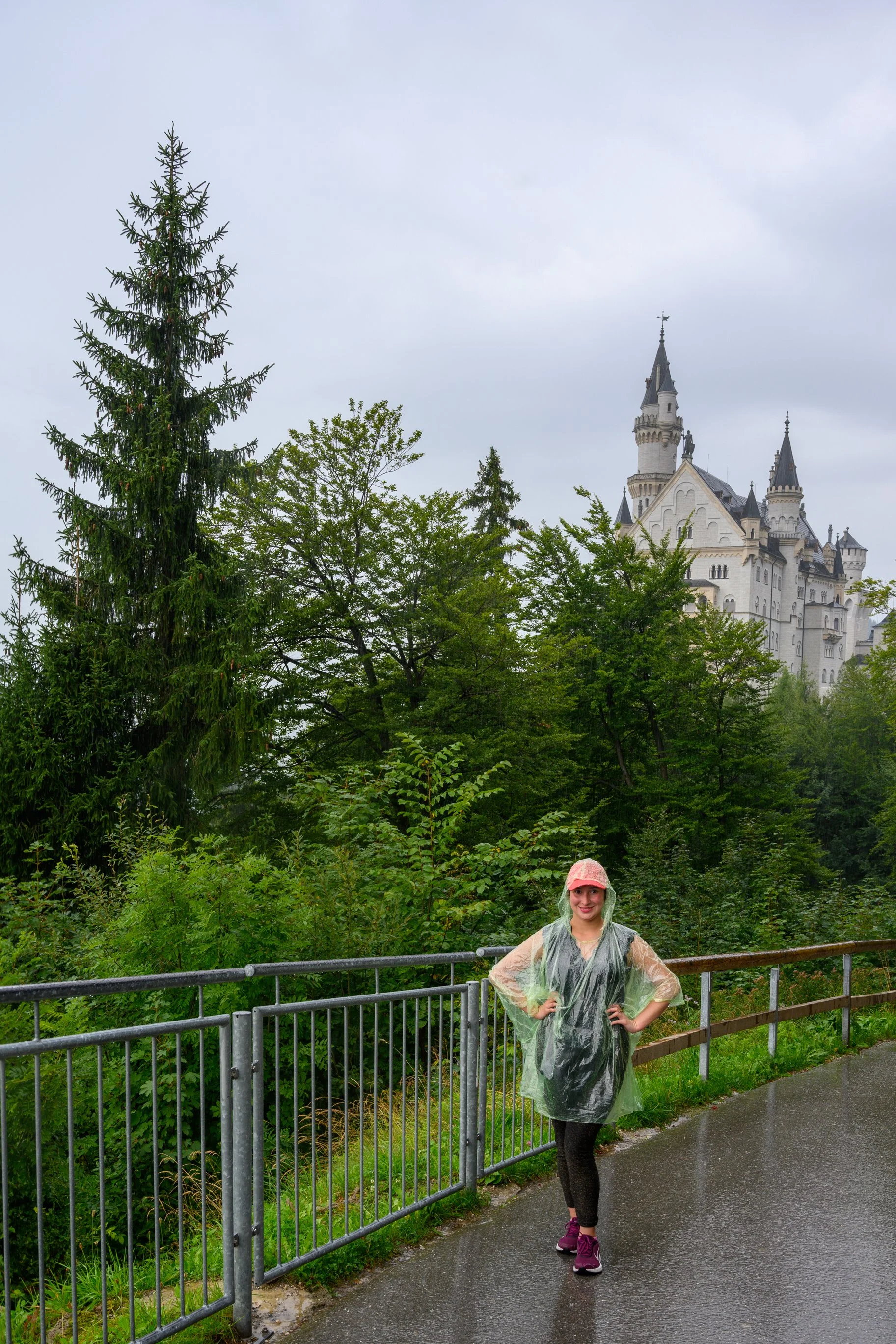
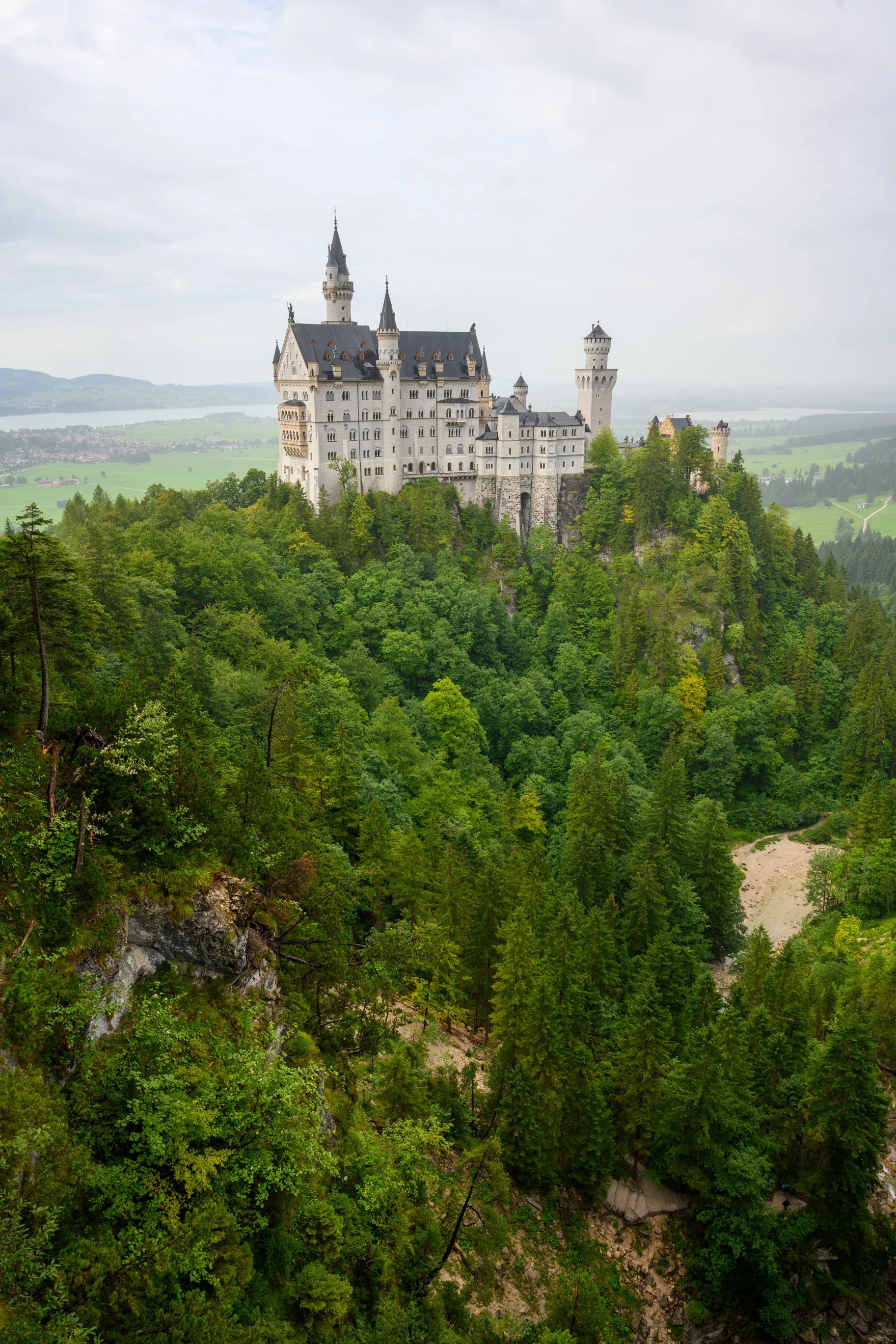
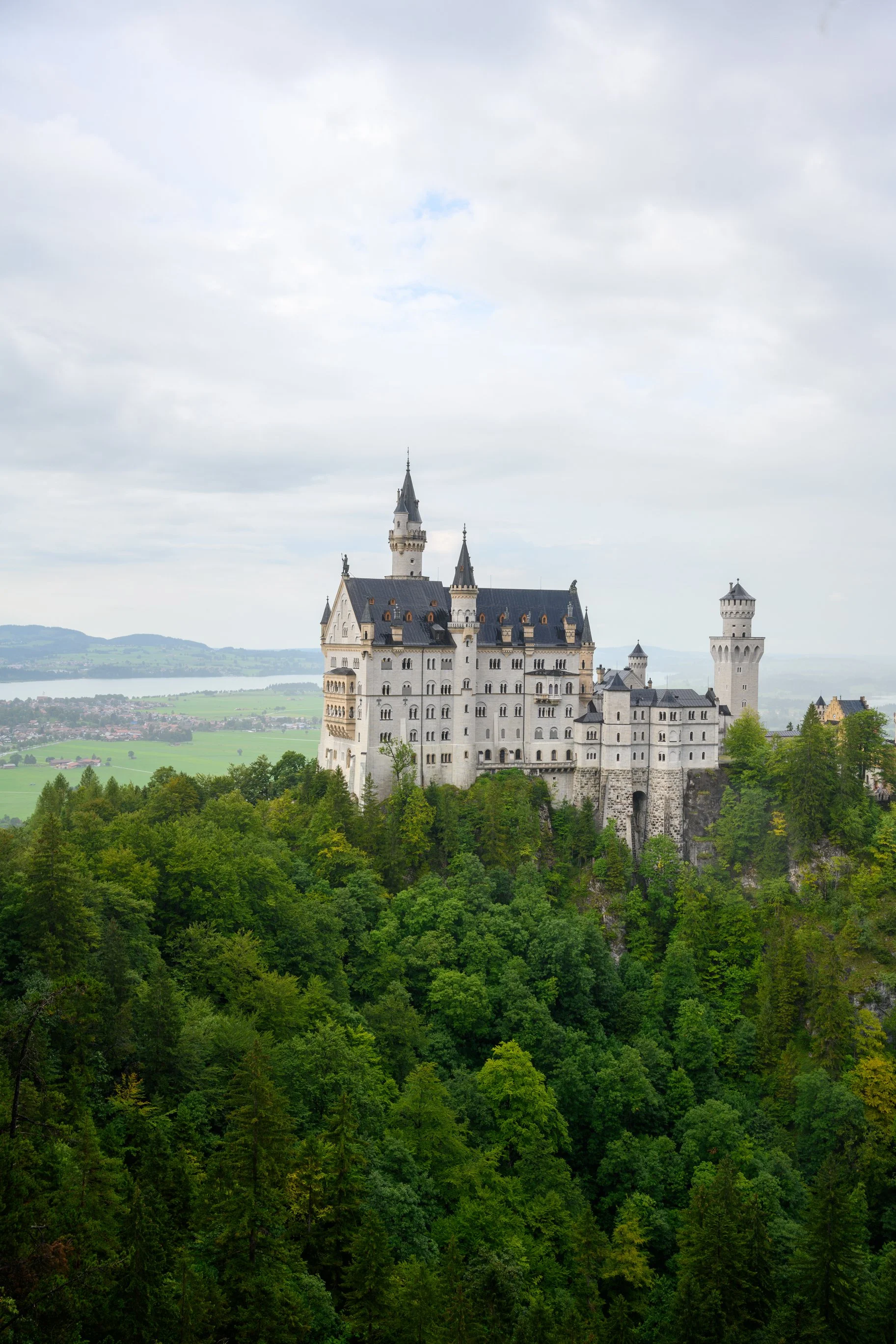
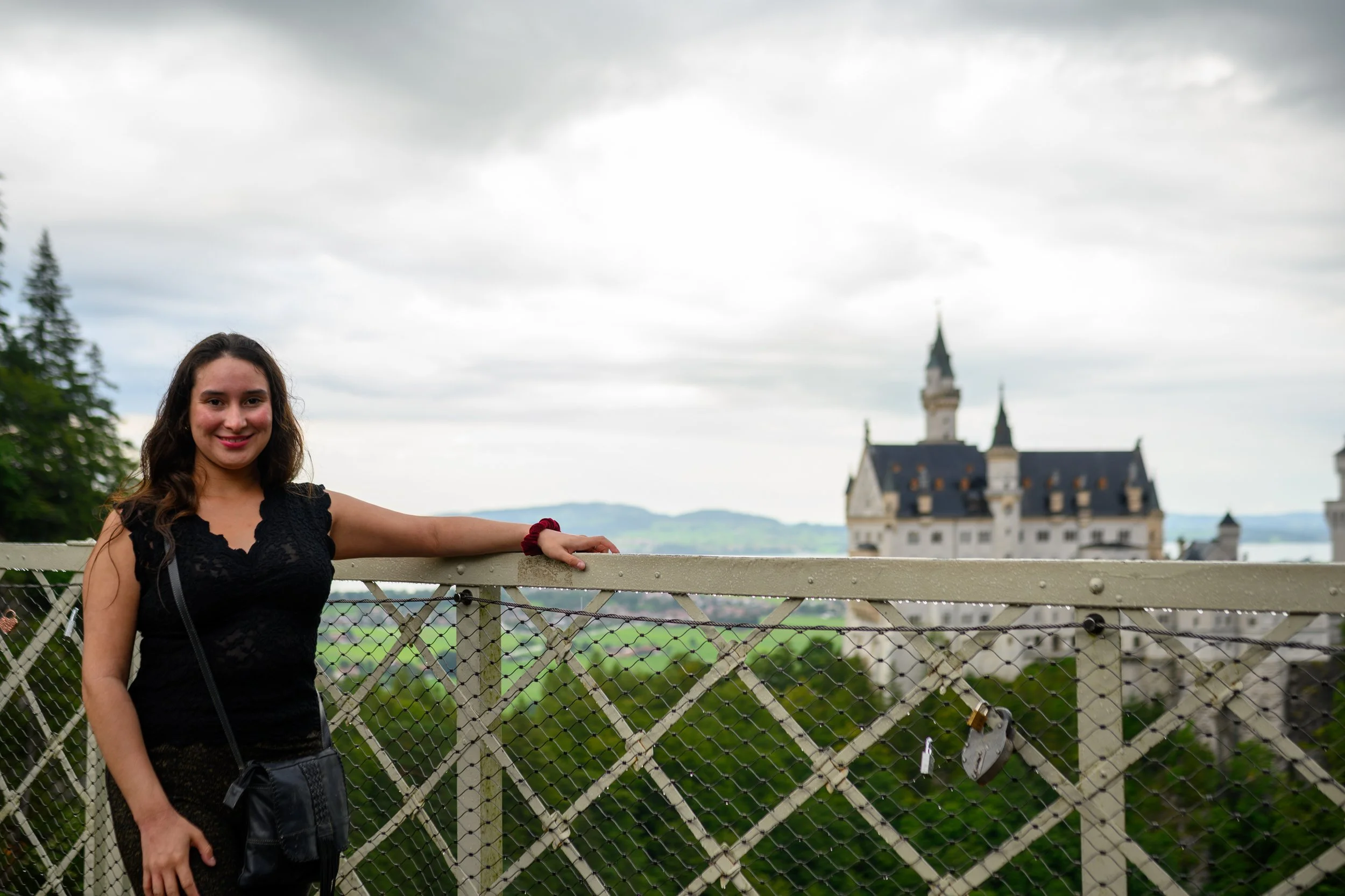
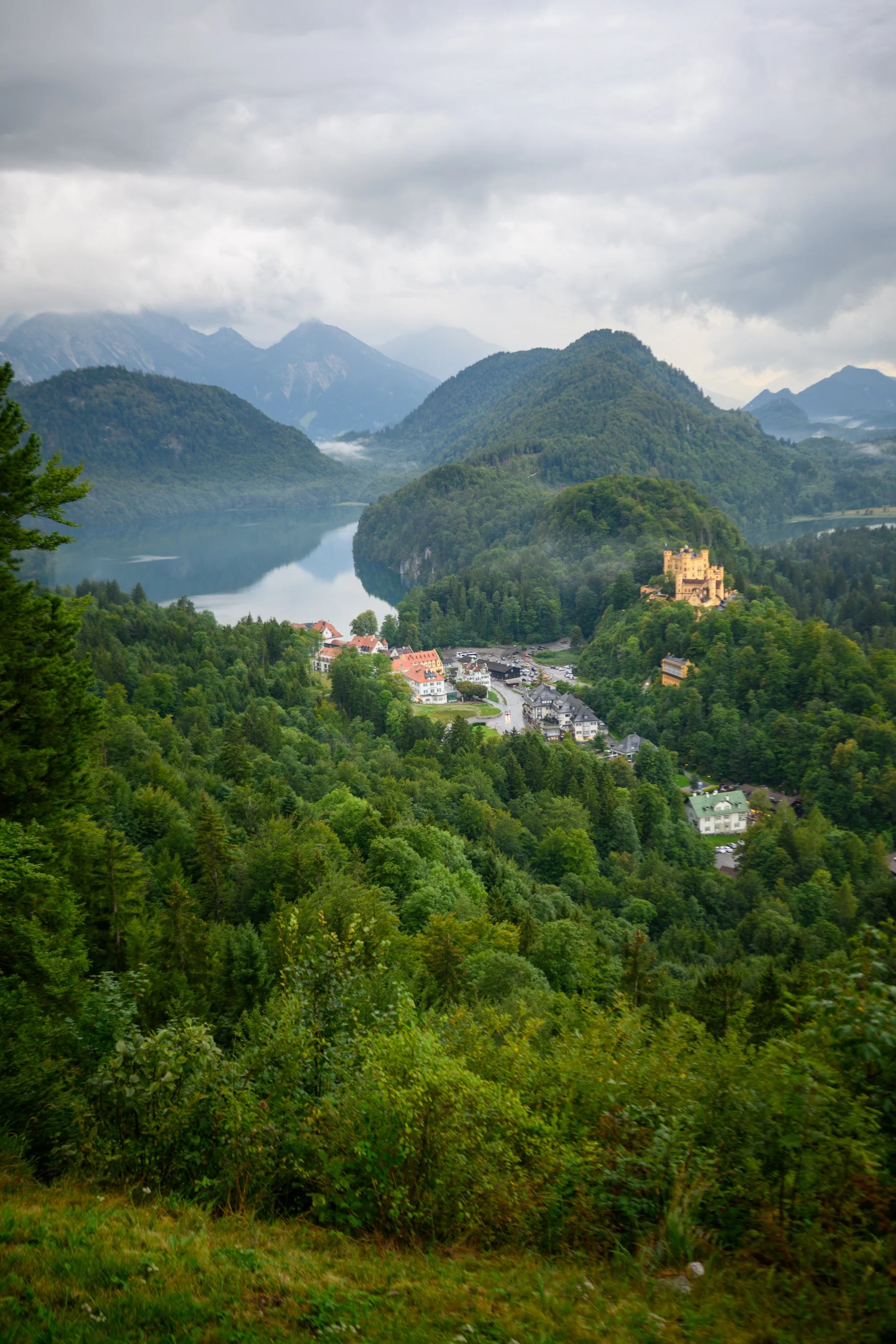
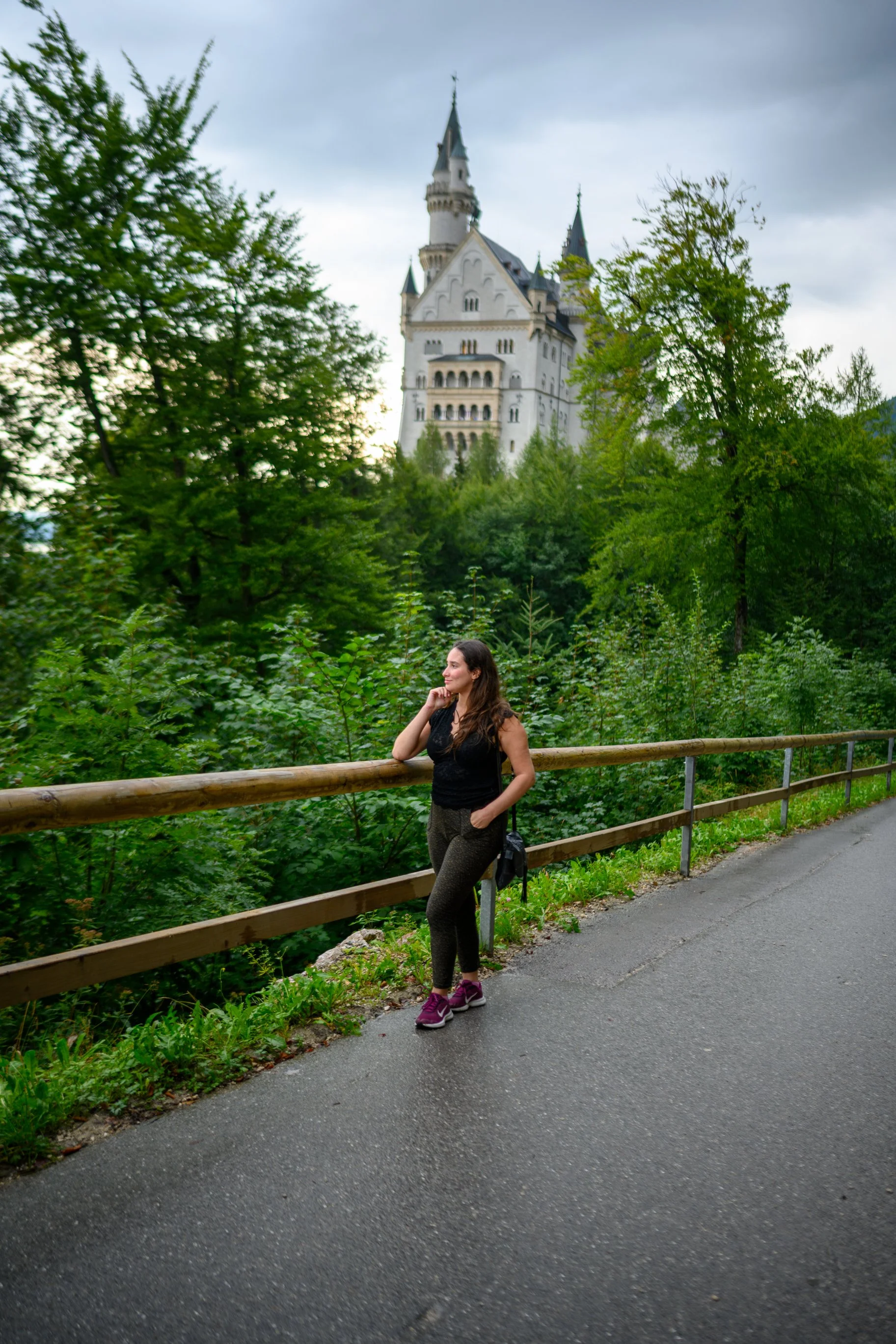
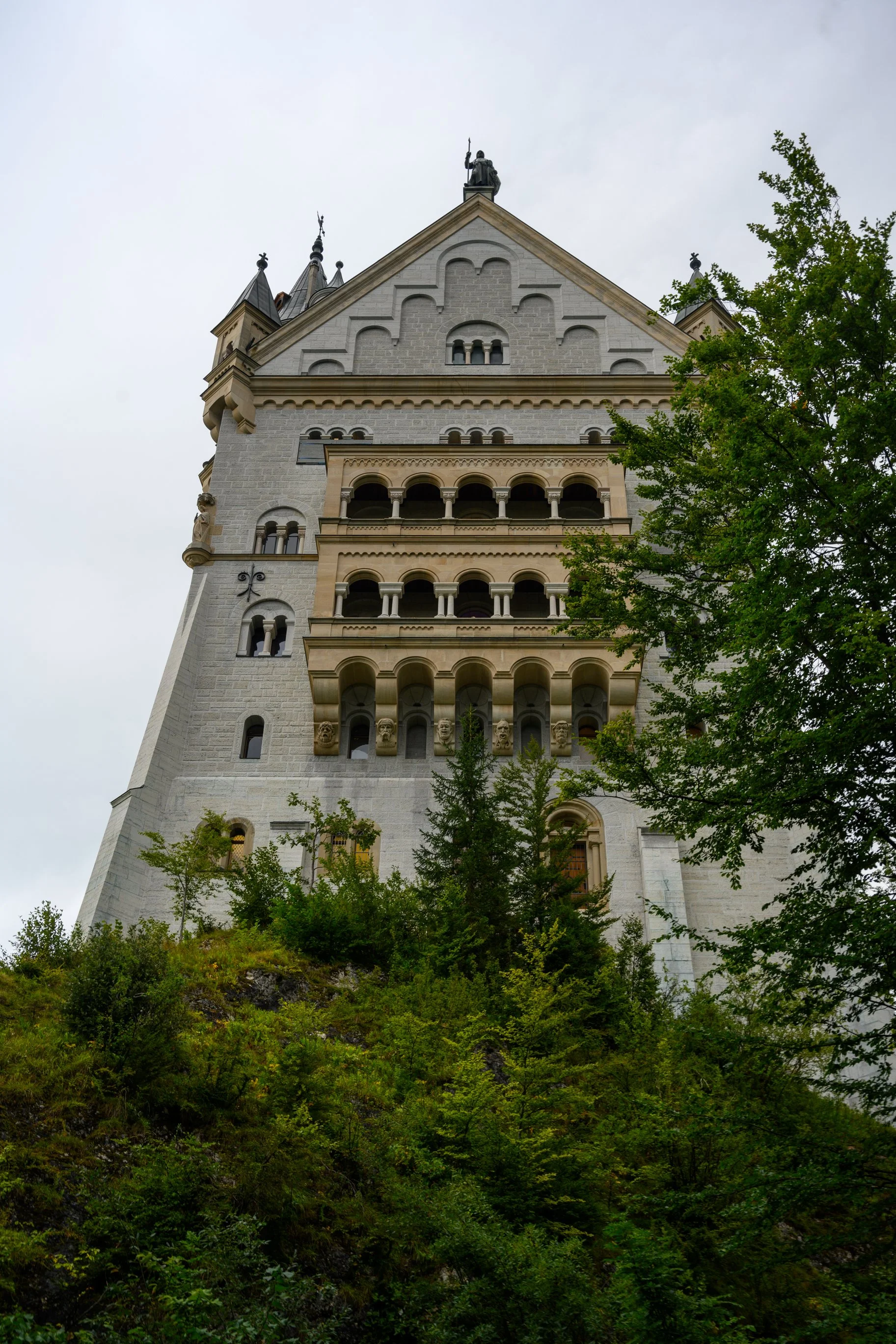
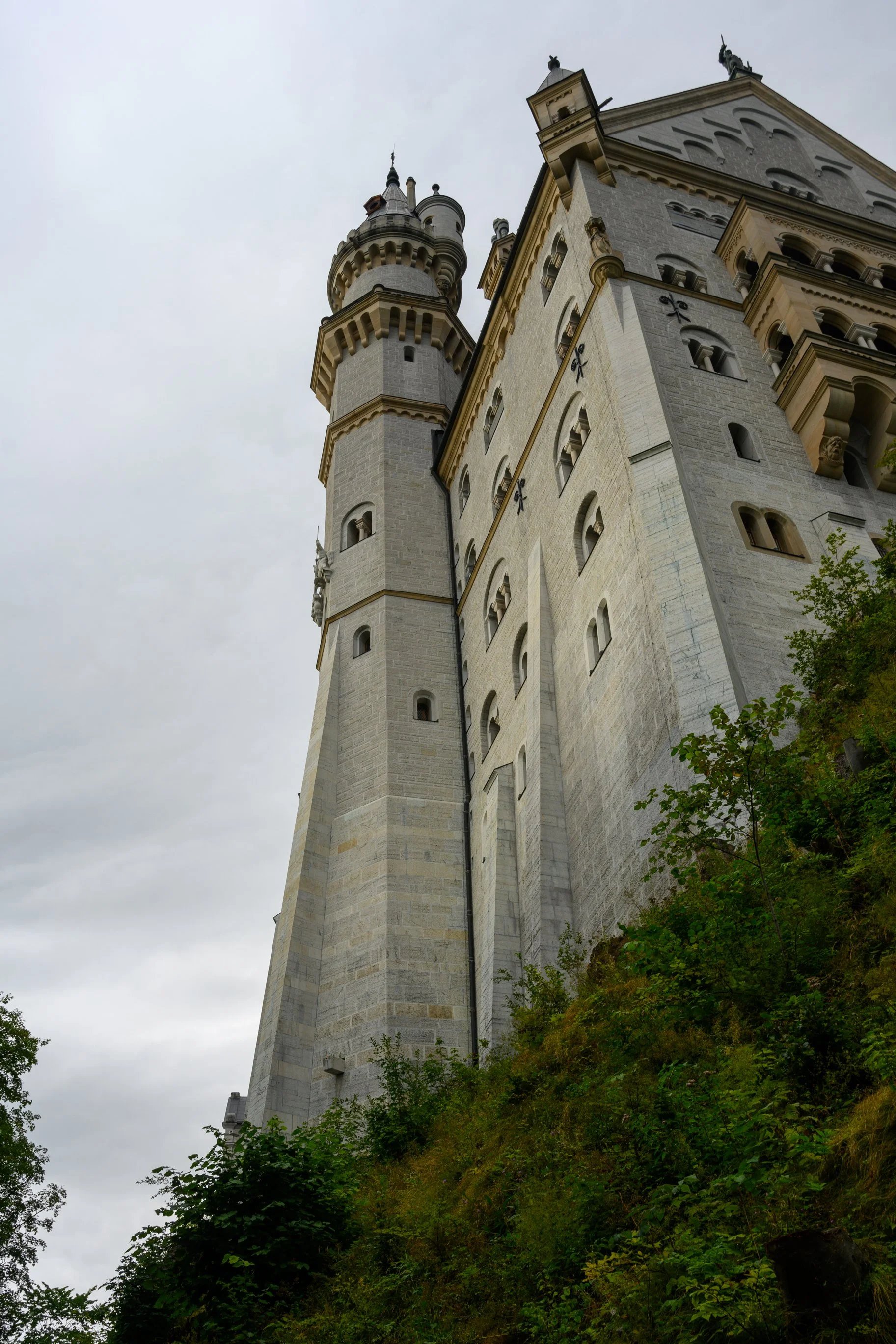
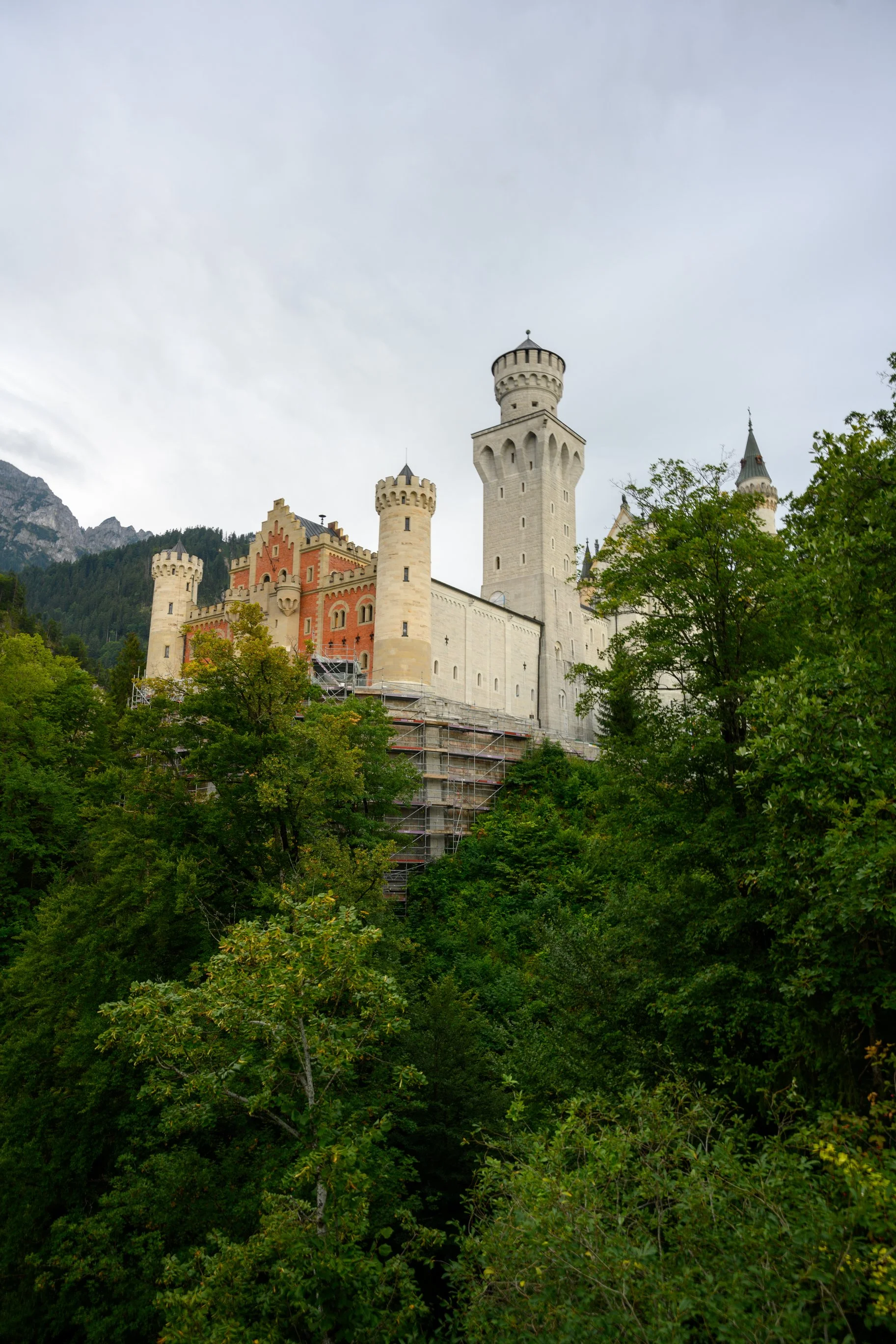
Set high against the rugged peaks of the Allgäu Alps, King Ludwig II’s 19th-century Romanesque Revival retreat is one of the most visually striking landmarks in Europe. Emerging out of dense pine forests above the village of Hohenschwangau, the castle’s white limestone walls and slender turrets feel straight out of a storybook, providing an incredible setting for landscape and architectural photography.
The Journey: Rail to the Bavarian Foothills
Reaching the castle begins with a direct regional train ride south from Munich out toward Füssen. The roughly two-hour journey cuts through quintessential Bavarian countryside:
The Route: Rolling emerald pastures, traditional timbered farmhouses, and quiet villages slowly give way to the dramatic, jagged wall of the Bavarian Alps rising on the horizon.
The Final Leg: Stepping off at the alpine border town of Füssen, a short connecting local bus drops you right at the base of the mountains in Hohenschwangau, where the steep ascent up the forested castle hill begins.
Crossing Marienbrücke (Mary’s Bridge)
While the approach along the wooded switchbacks is impressive, the defining vista of Neuschwanstein requires walking beyond the castle gates and heading up to Marienbrücke:
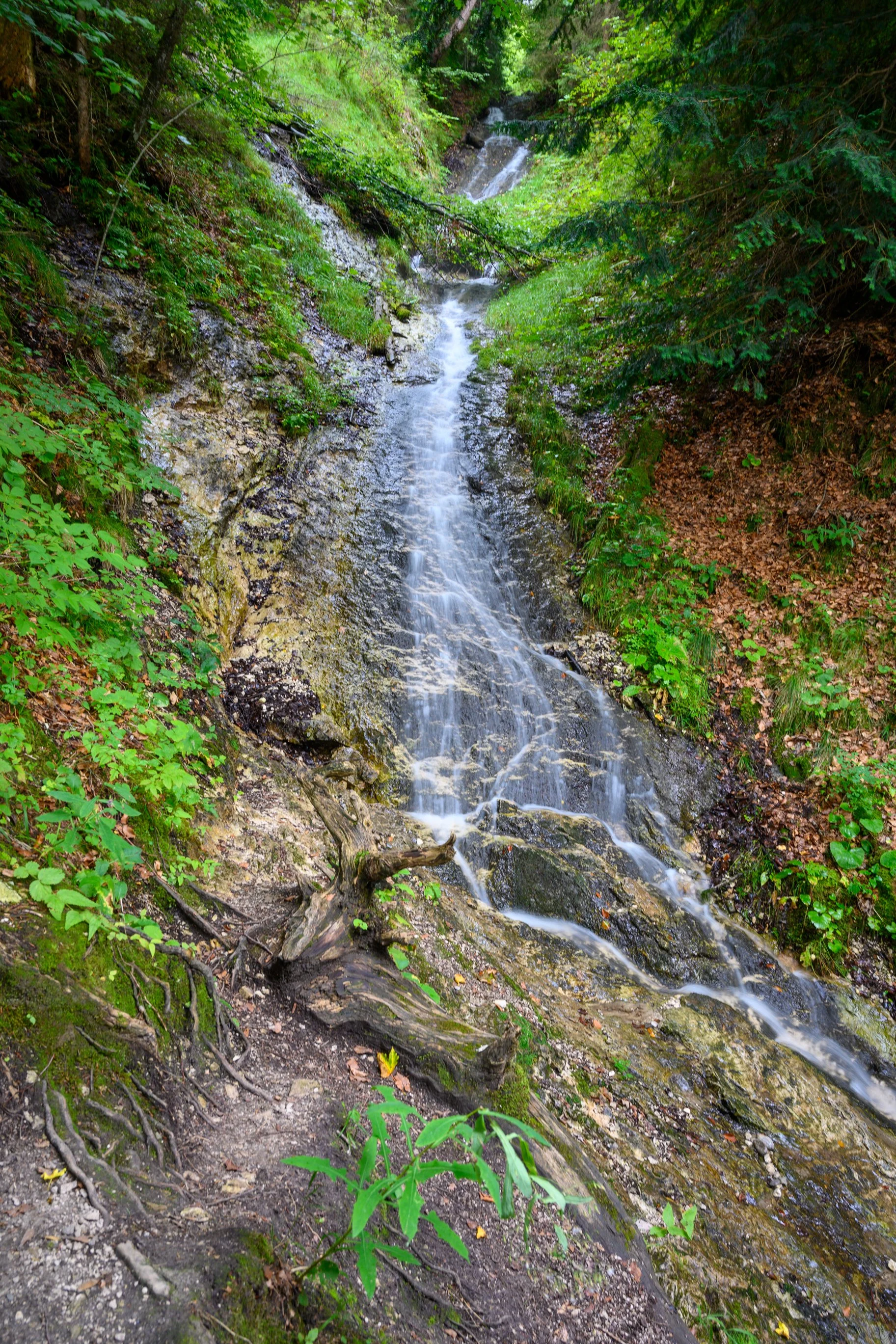
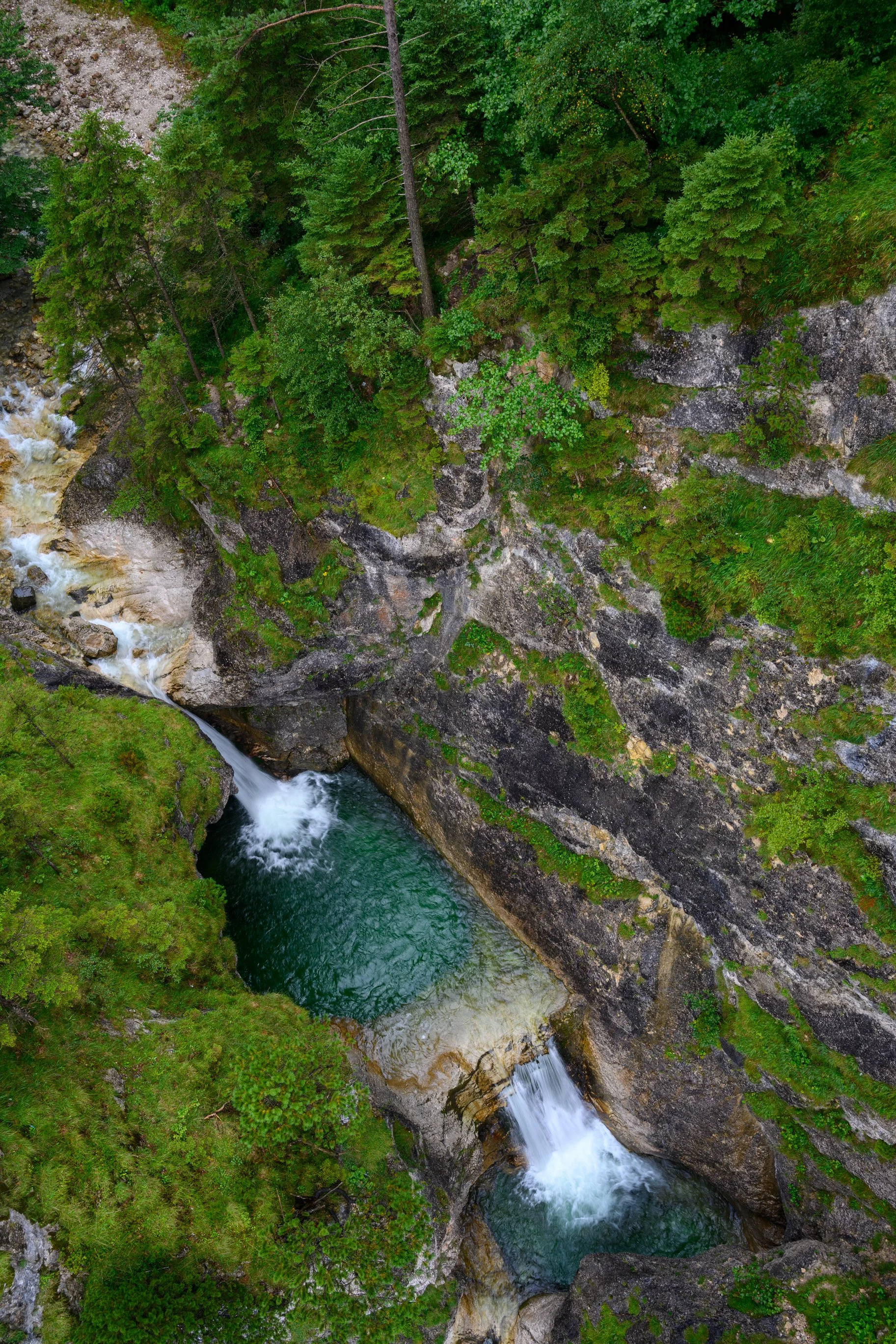
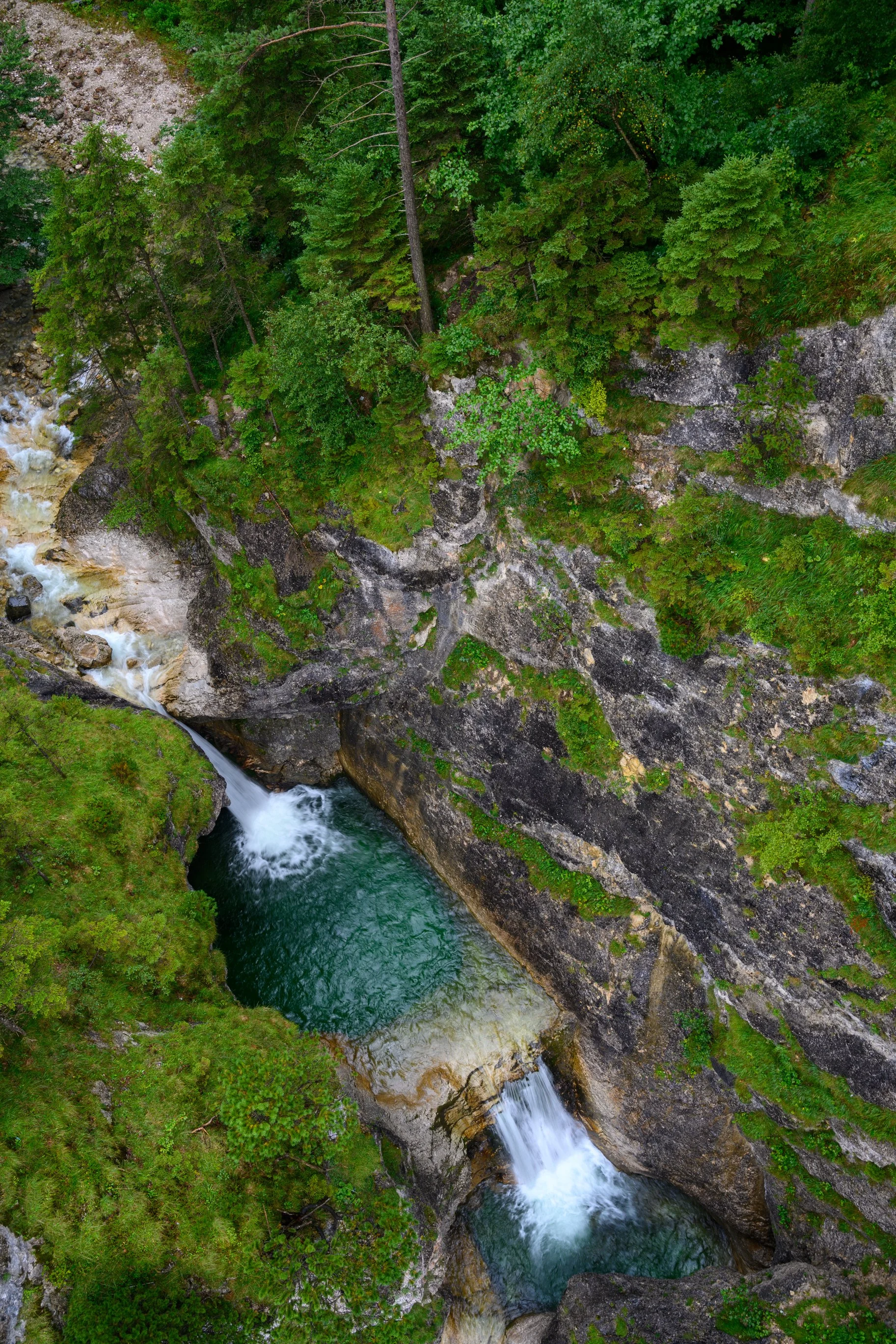
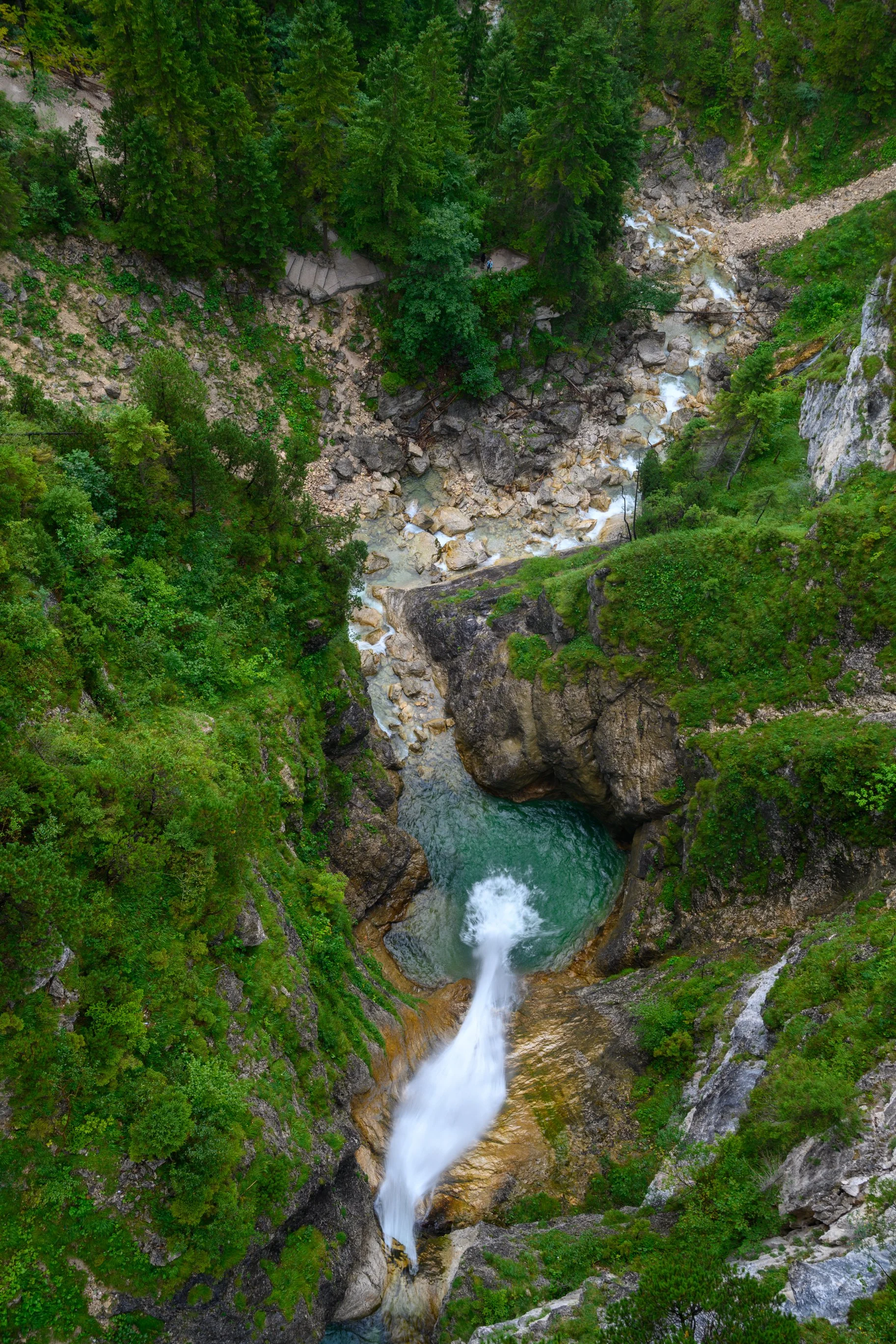
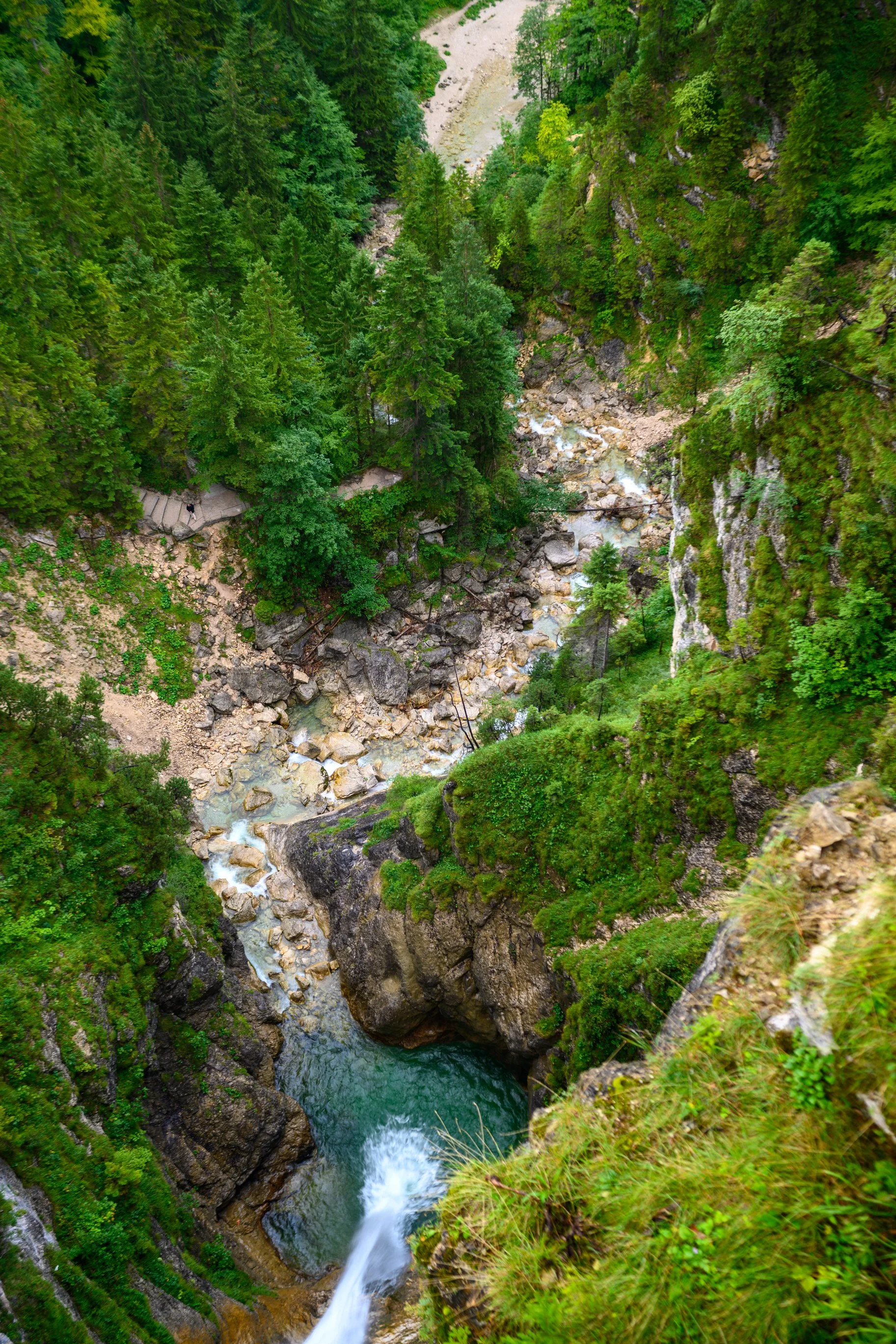
Suspended Over the Gorge: Spanning 90 meters (nearly 300 feet) directly above the churning waters and sheer rock walls of the Pöllat Gorge, the narrow wooden-planked footbridge swings out into open air.
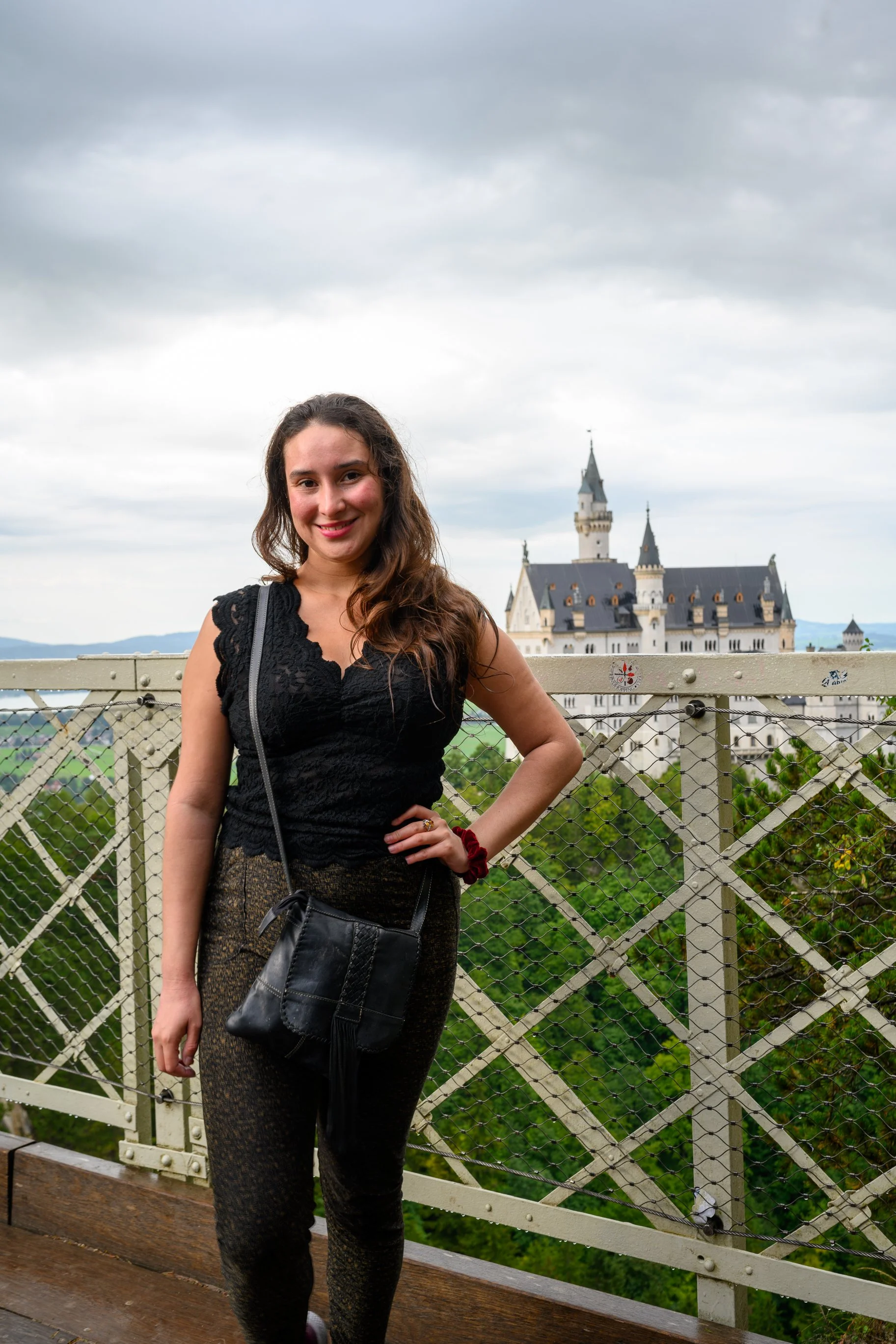
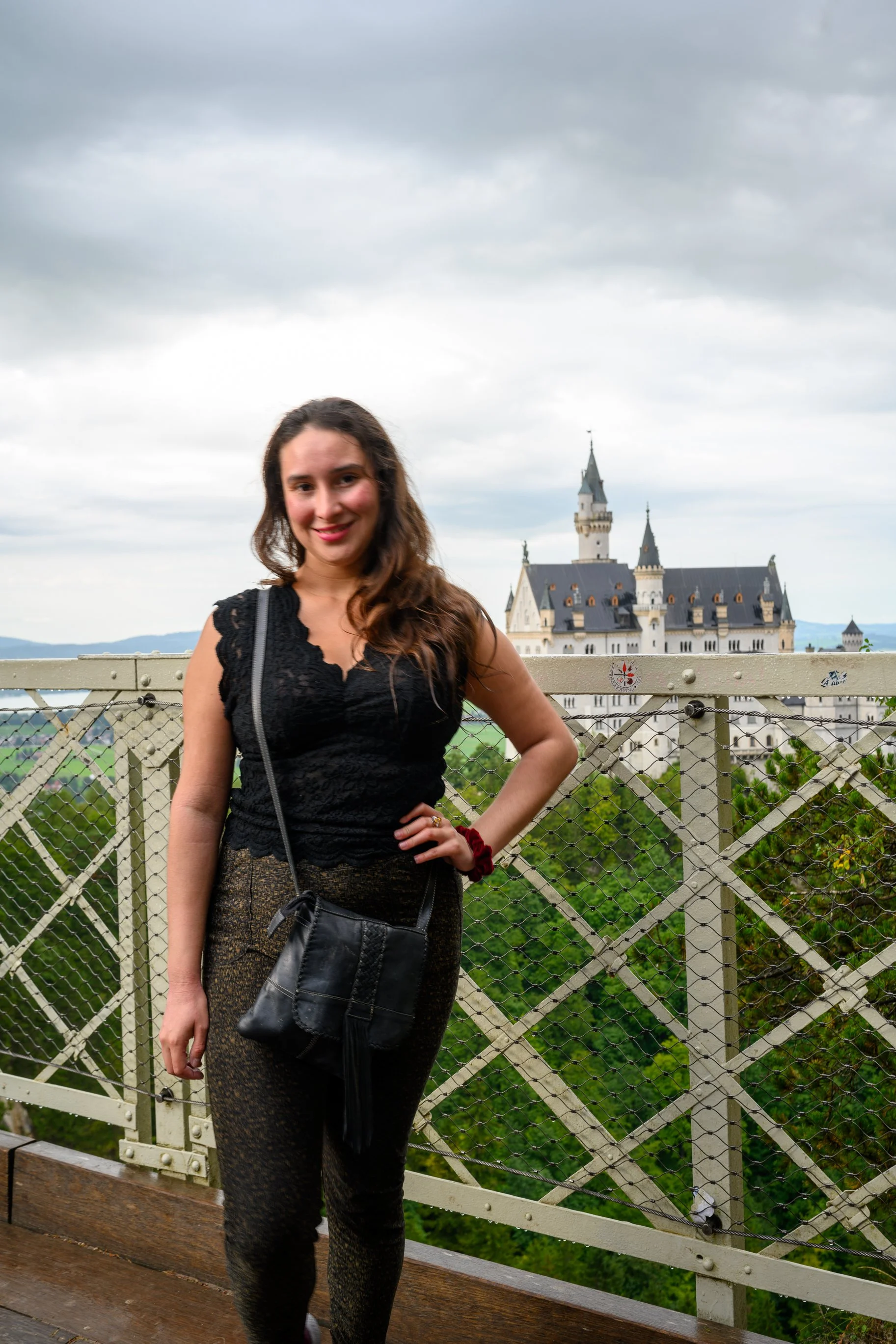
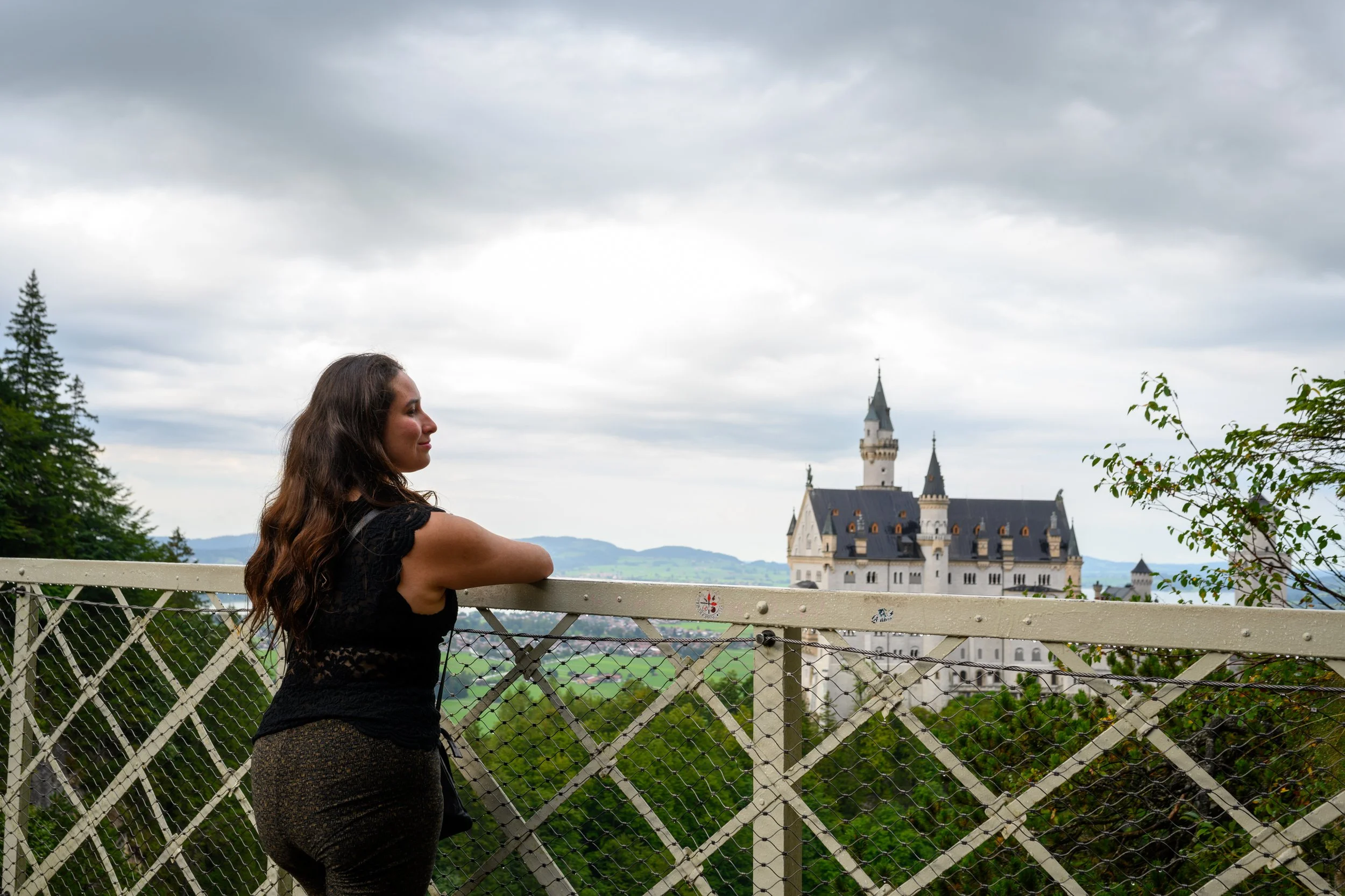
The Postcard Panorama: Looking across the chasm, you get completely unobstructed, side-profile views of the castle’s soaring spires framed against the backdrop of the Alpsee lake and the sprawling Bavarian plains far below. It is by far the most dramatic vantage point for wide-angle shots and cinematic video walkthroughs.