Our final stop on a journey through Italy, Slovenia and Croatia
After spending time in Trieste, Piran, Lake Bled and Ljubljana, we crossed the border into Croatia for the final stage of our trip: a few nights in Zagreb. From there, we would eventually catch our flight back to the "wonderful" Luton Airport, bringing our overland journey to a close.
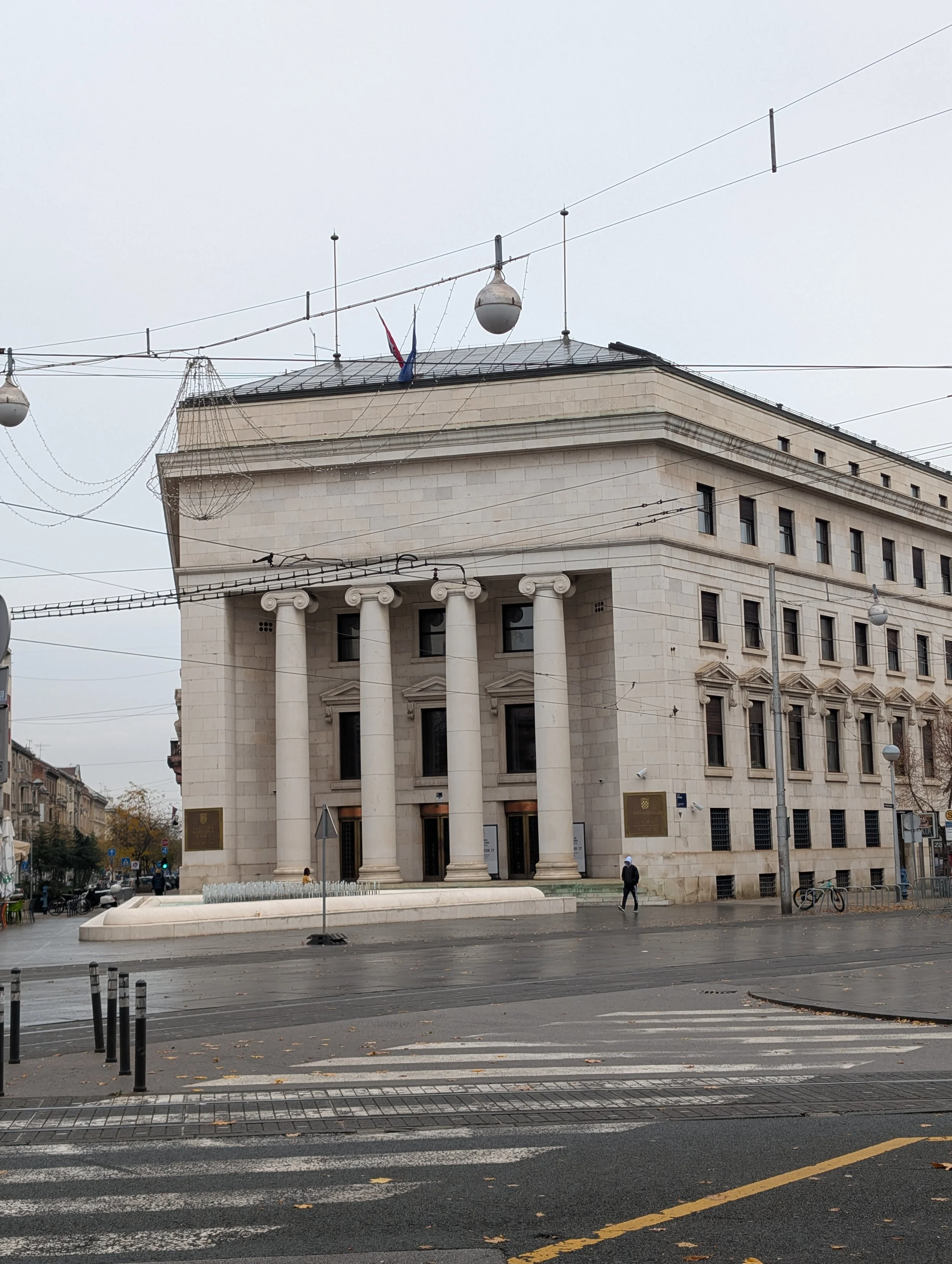
Knowing it was our last city, we wanted to make the most of our time and see as much as we could. Zagreb turned out to be a genuinely interesting place to explore—a city with plenty of character, historic streets, lively cafés and more than a few unexpected details tucked around its corners.
Exploring the Upper and Lower Town
Like many Central European capitals, Zagreb has a distinct layout split between its historic Upper Town (Gornji Grad) and the broader avenues of the Lower Town (Donji Grad). Much of the centre is easy to navigate on foot, so we could wander between squares, markets and side streets at our own pace.
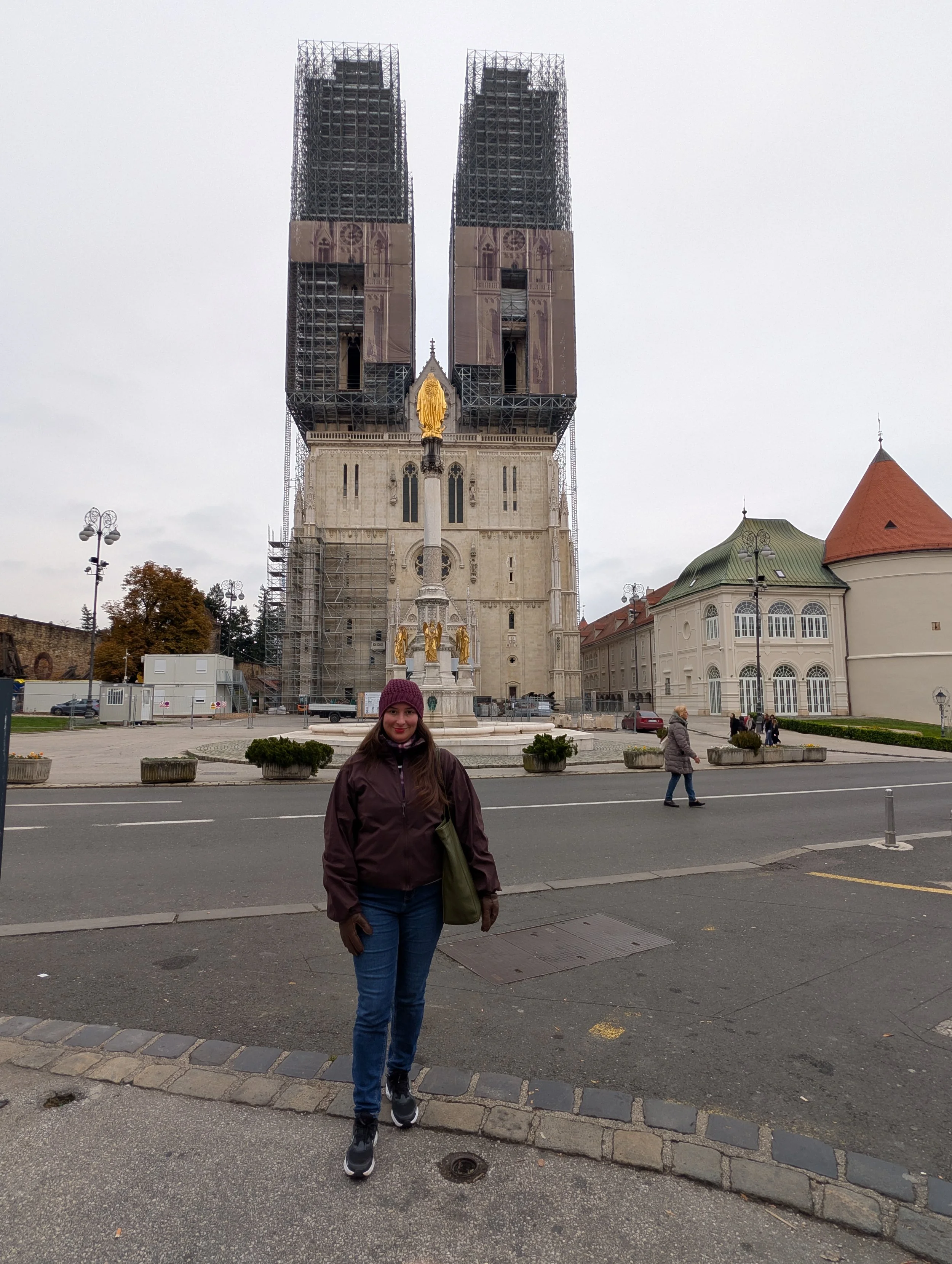
One disappointment of our visit was that Zagreb Cathedral was undergoing major repair work, so we couldn't experience it at its best. It is always a shame when a city's most iconic landmark is covered in scaffolding, though it is understandable given the restoration needed.
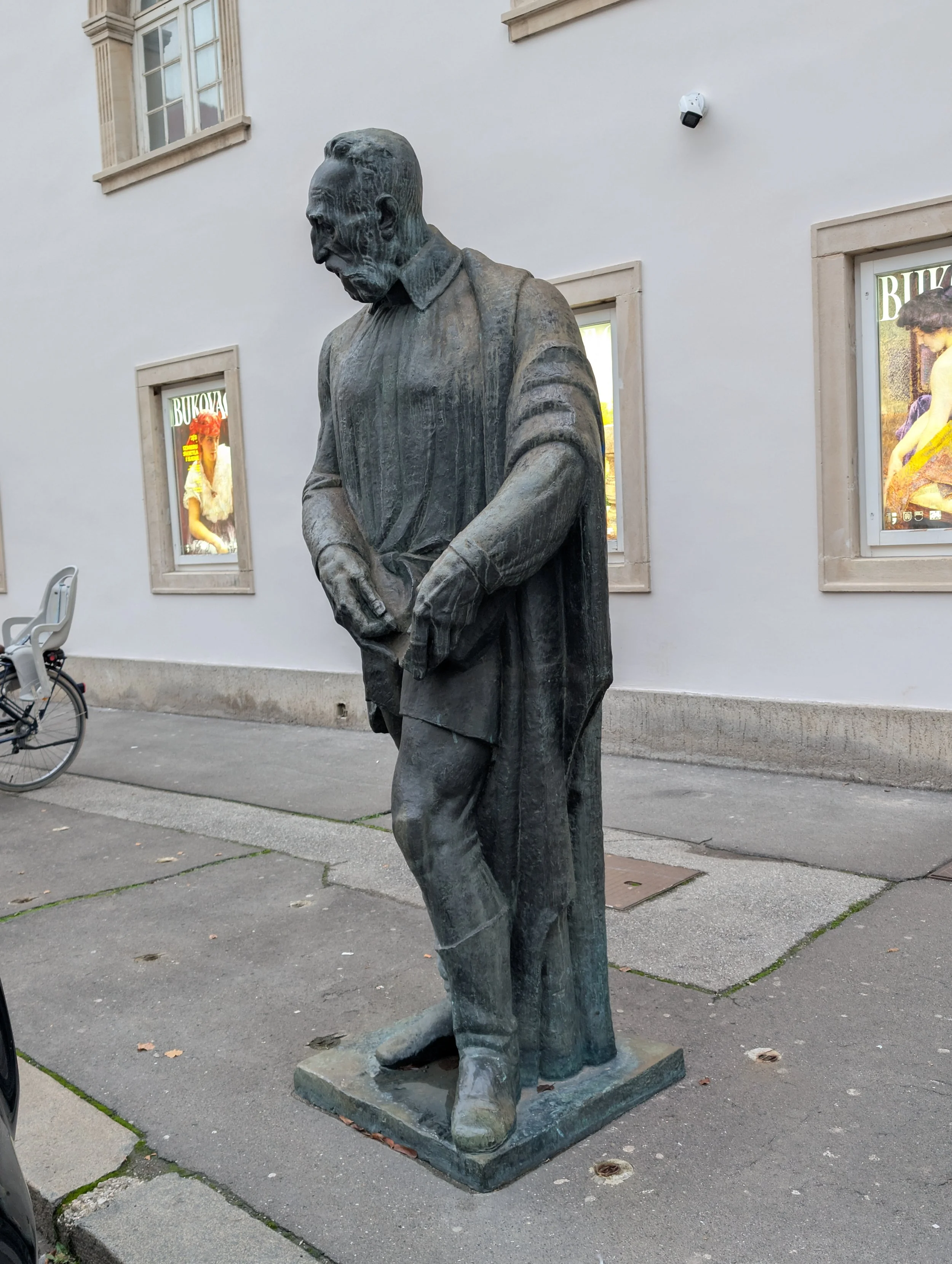
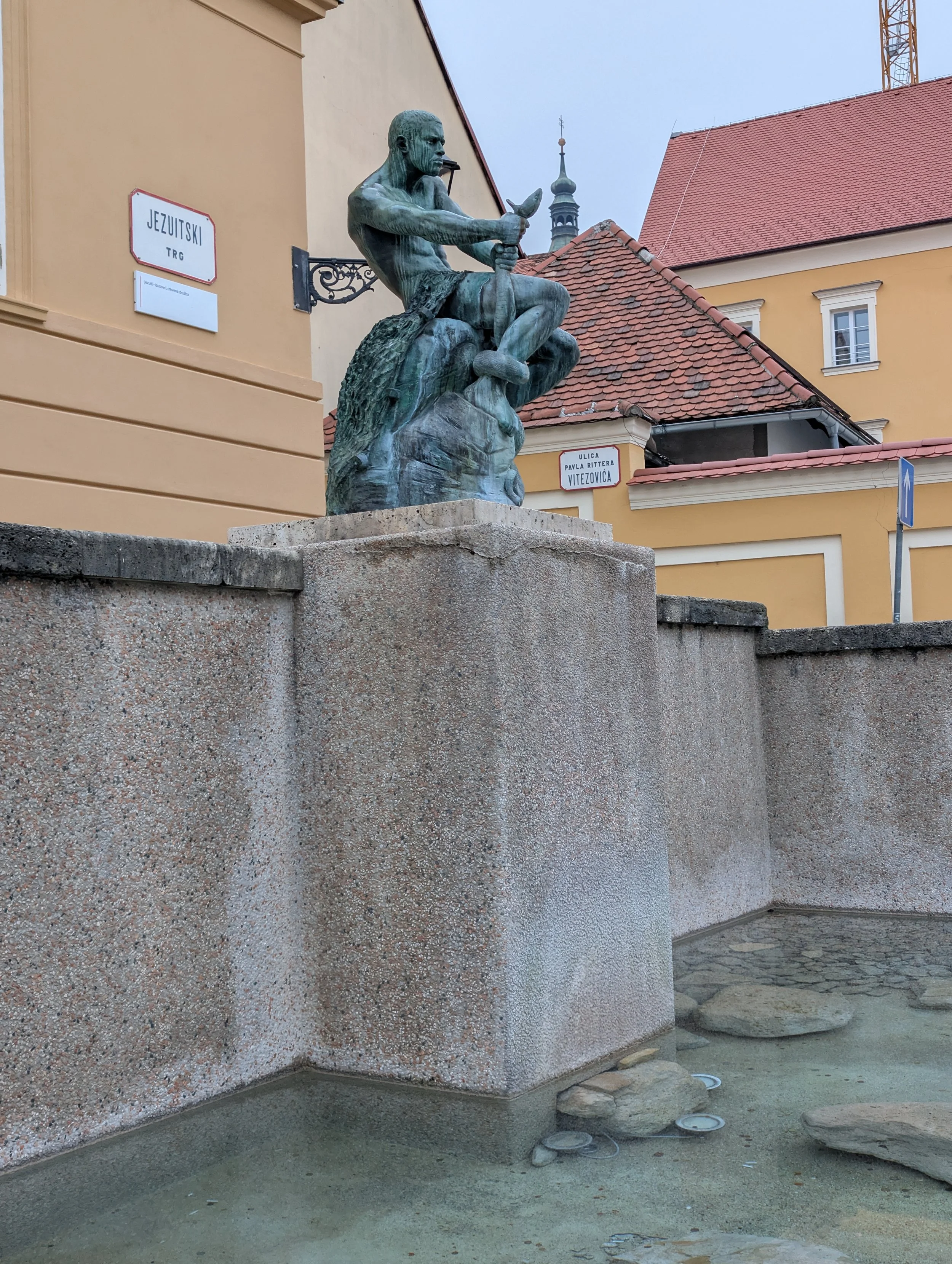
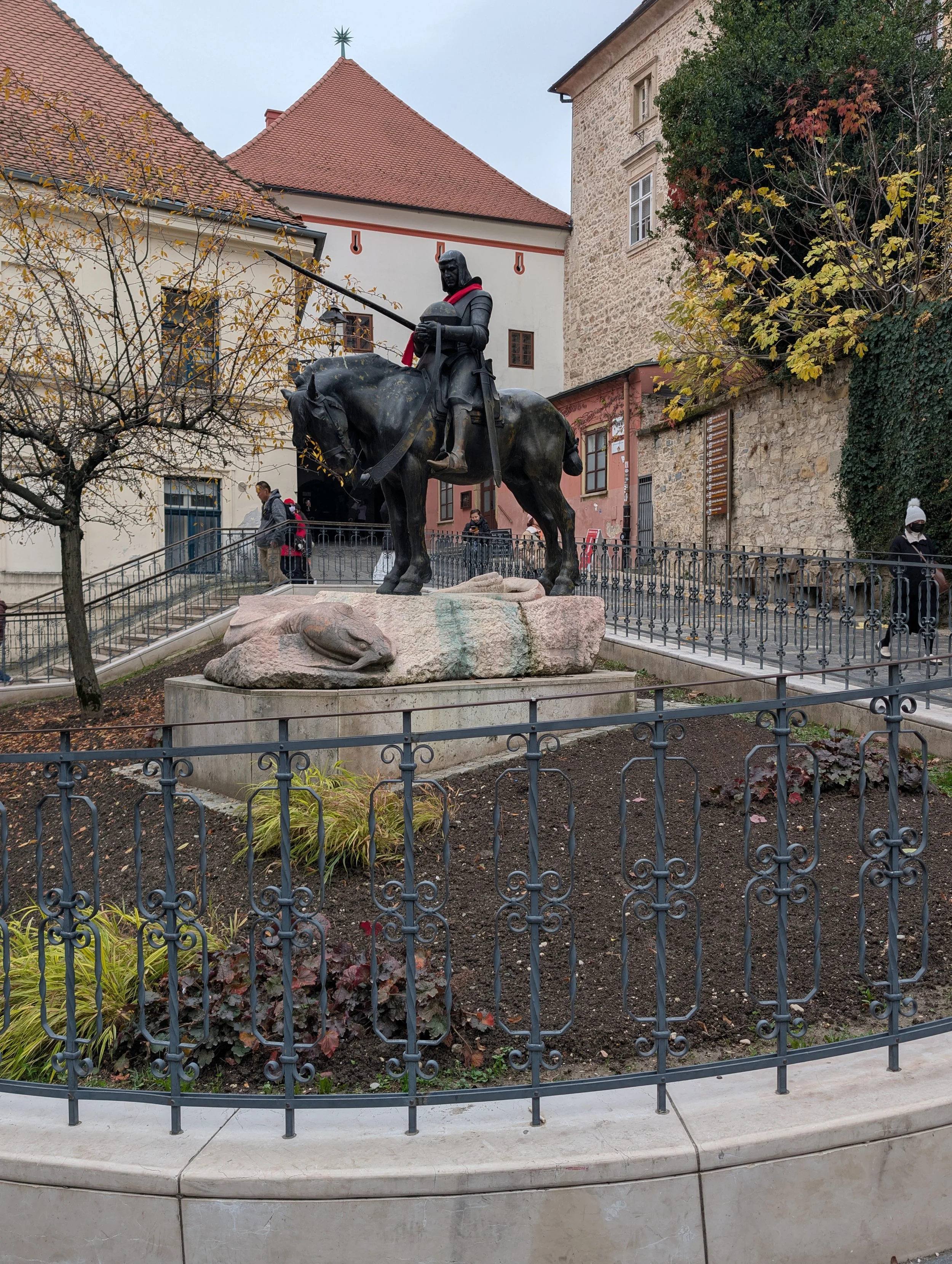
Even without the cathedral, there was still plenty to take in. Wandering up into the Upper Town rewarded us with historic architecture, cobbled lanes and a great collection of public sculptures—including the bronze statue of St. George and the dragon near the Stone Gate, and the Fisherman fountain tucked into Jesuit Square (Jezuitski trg).
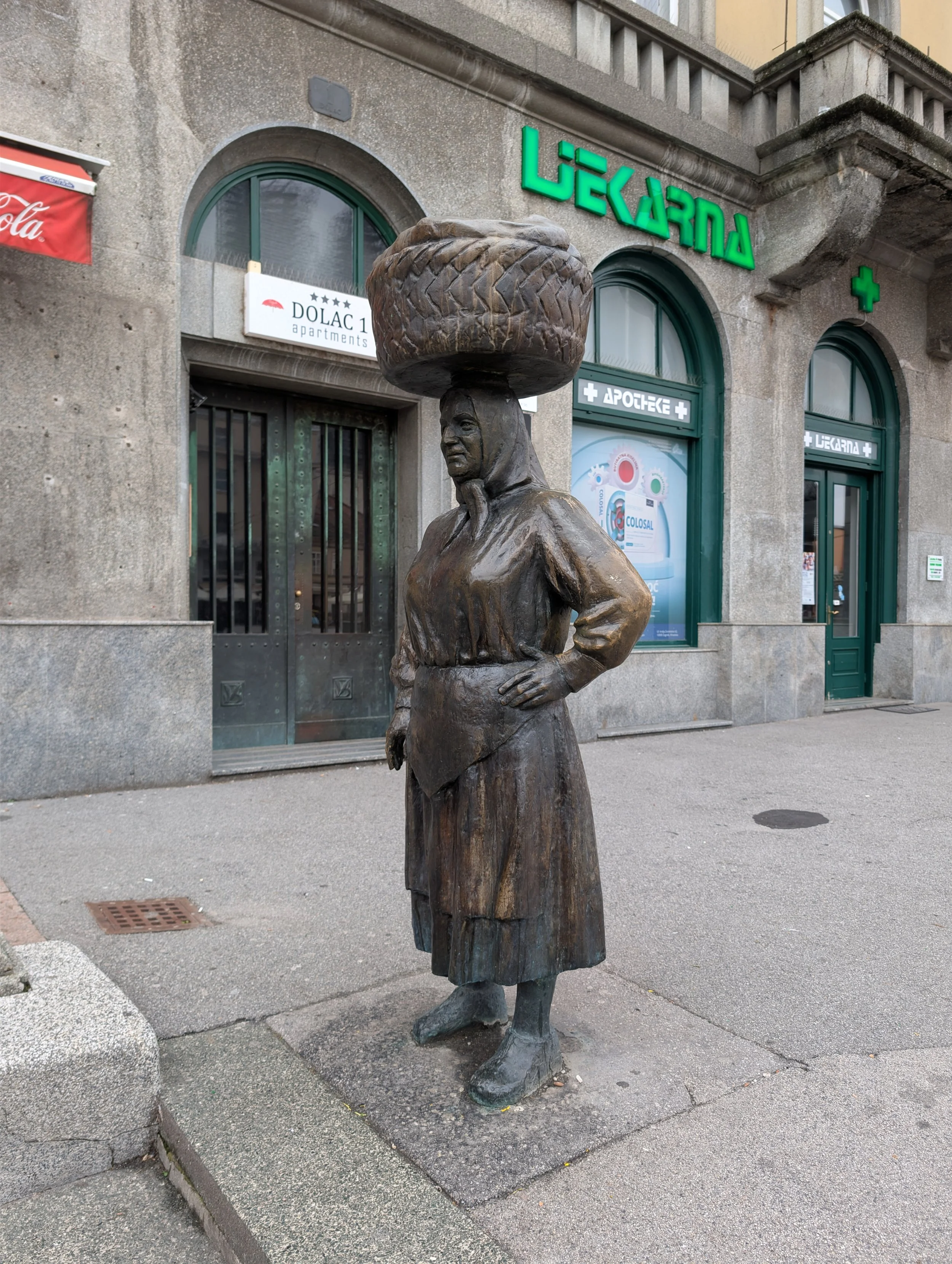
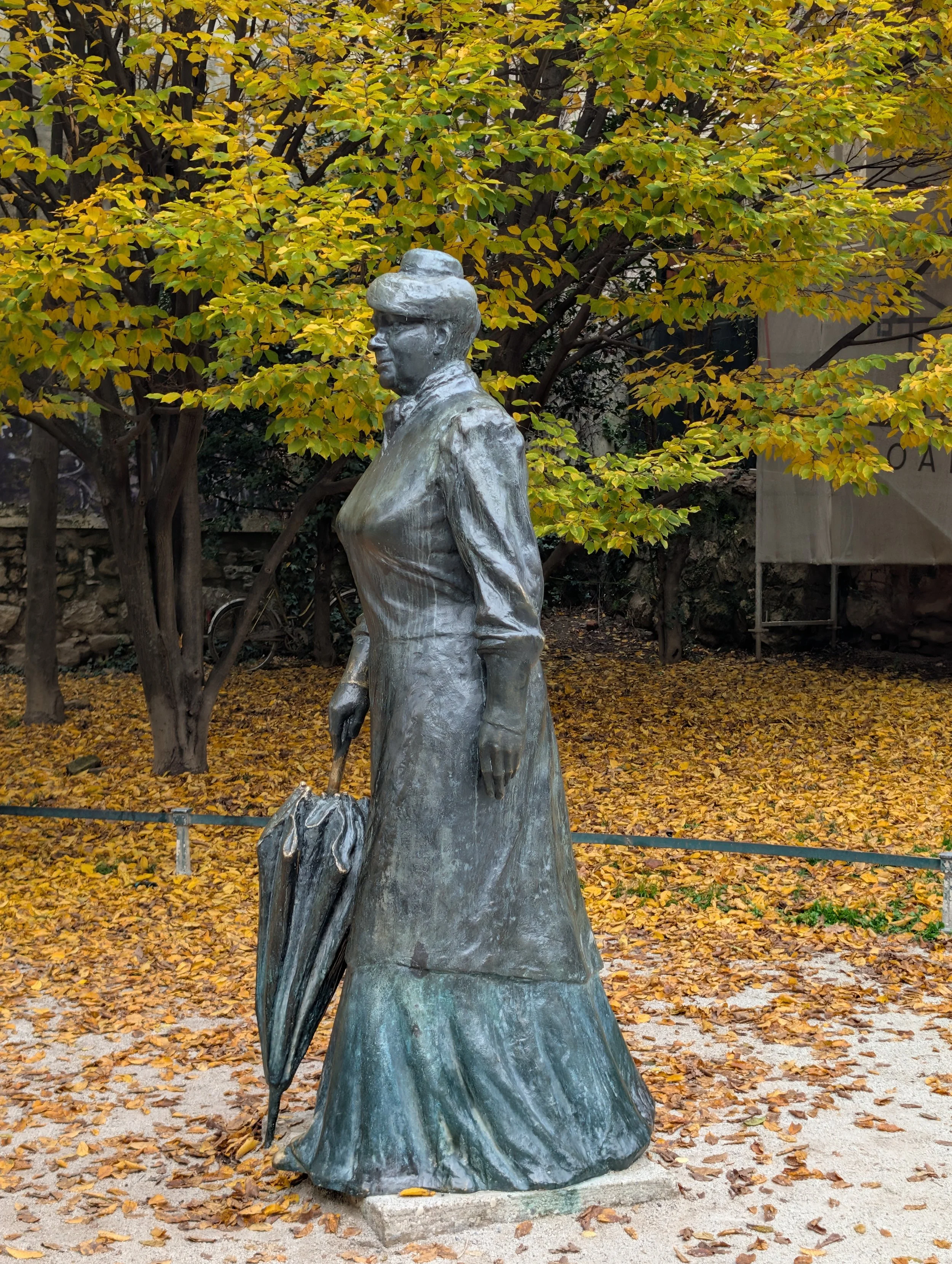
Down near Dolac Market, we stopped to see the bronze statue of Kumica Barica, the traditional market woman balancing a basket on her head, as well as the statue of Croatian writer Marija Jurić Zagorka surrounded by fallen autumn leaves.
Our tip: Give yourself plenty of time to wander the connecting alleys between the Lower and Upper Town rather than sticking strictly to the main squares—some of the best sculptures and historic corners are tucked just off the main routes.
Quirky details and unexpected sights
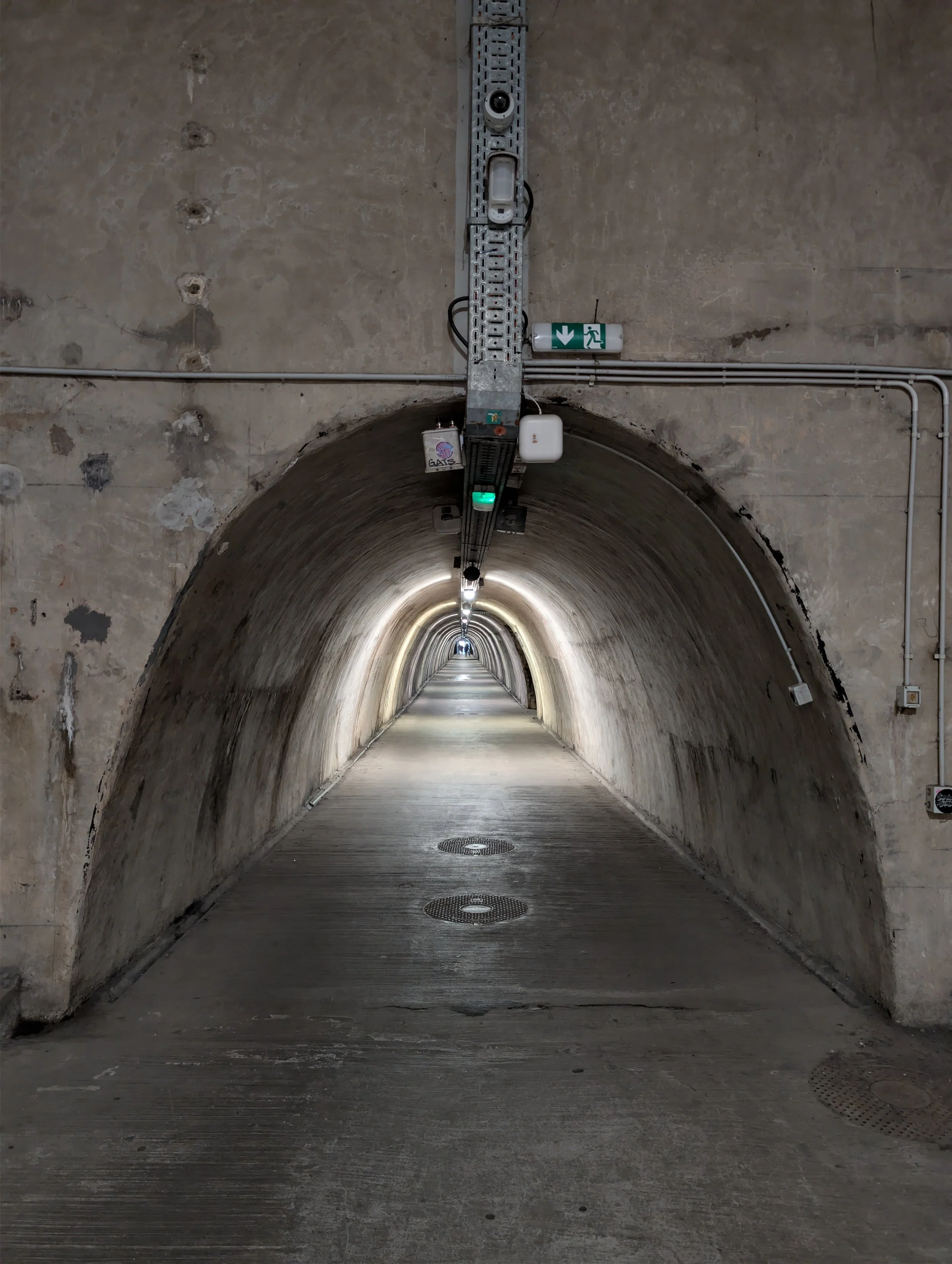
What we really enjoyed about Zagreb was the number of smaller, slightly eccentric details you stumble across simply by walking around.
One of our favourite surprises was turning a corner and spotting a genuine London black cab—complete with UK number plates and a Transport for London licence—parked right in the middle of the Croatian capital. It certainly wasn't what we expected to see so far from home.
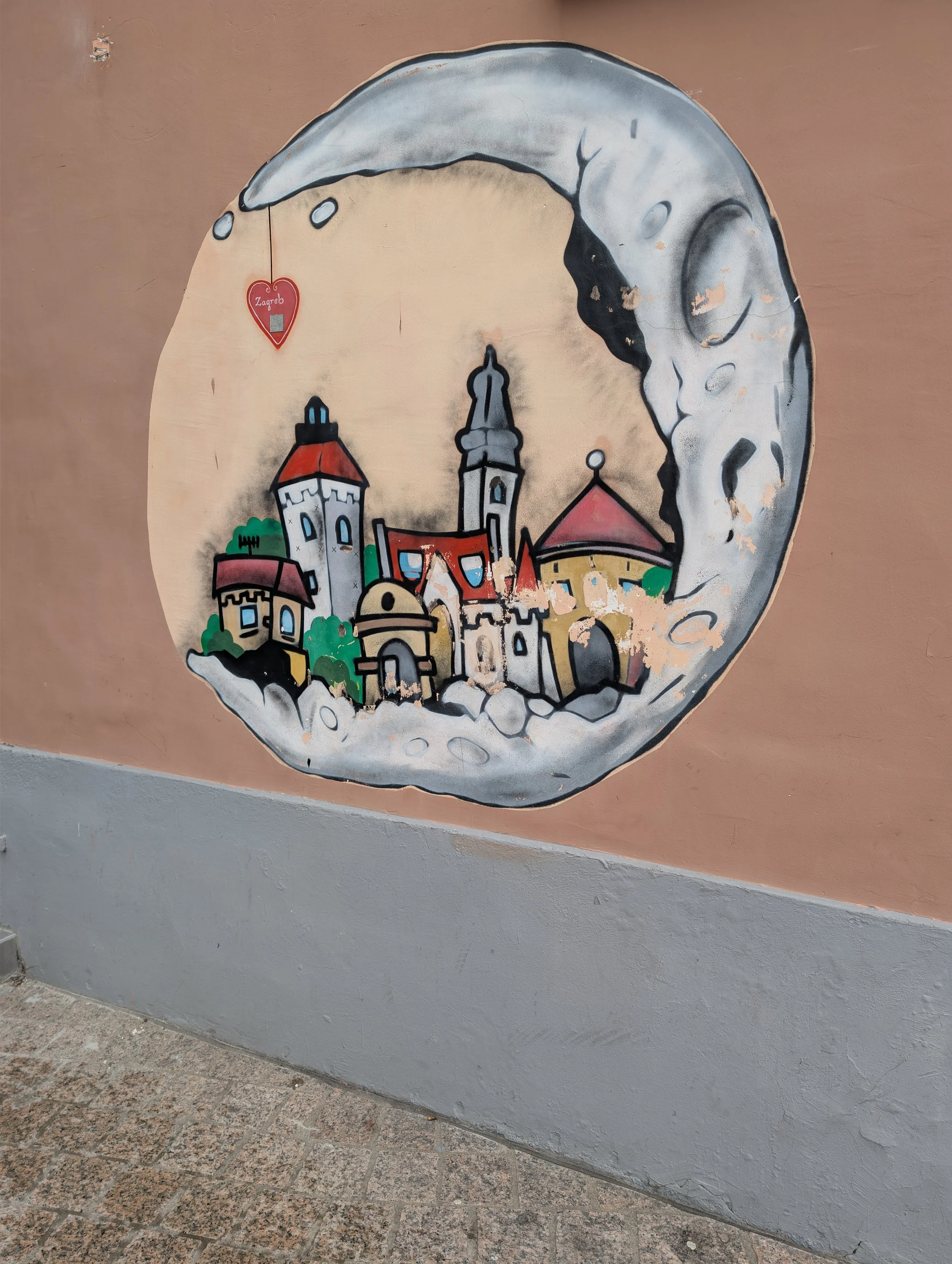
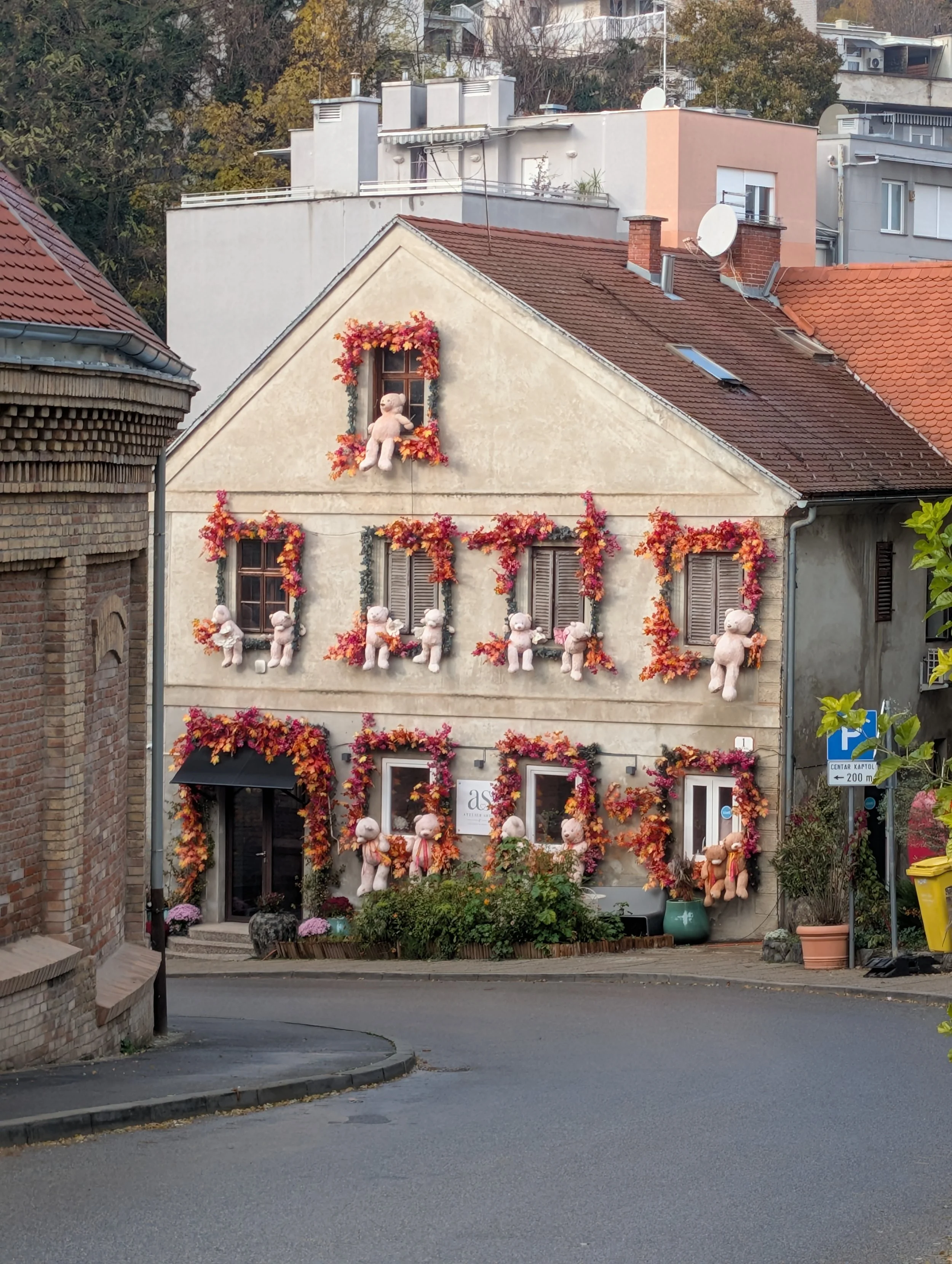
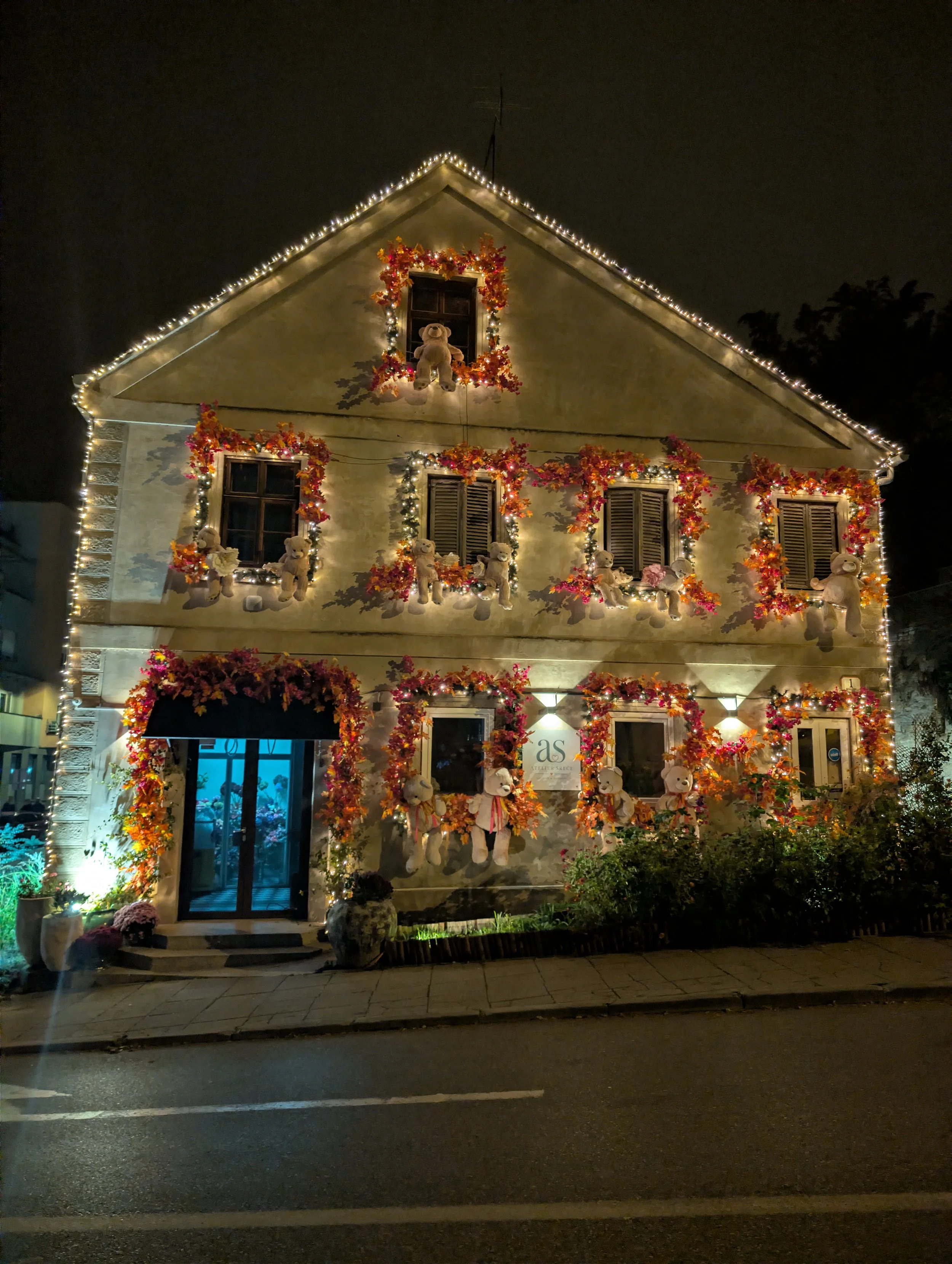
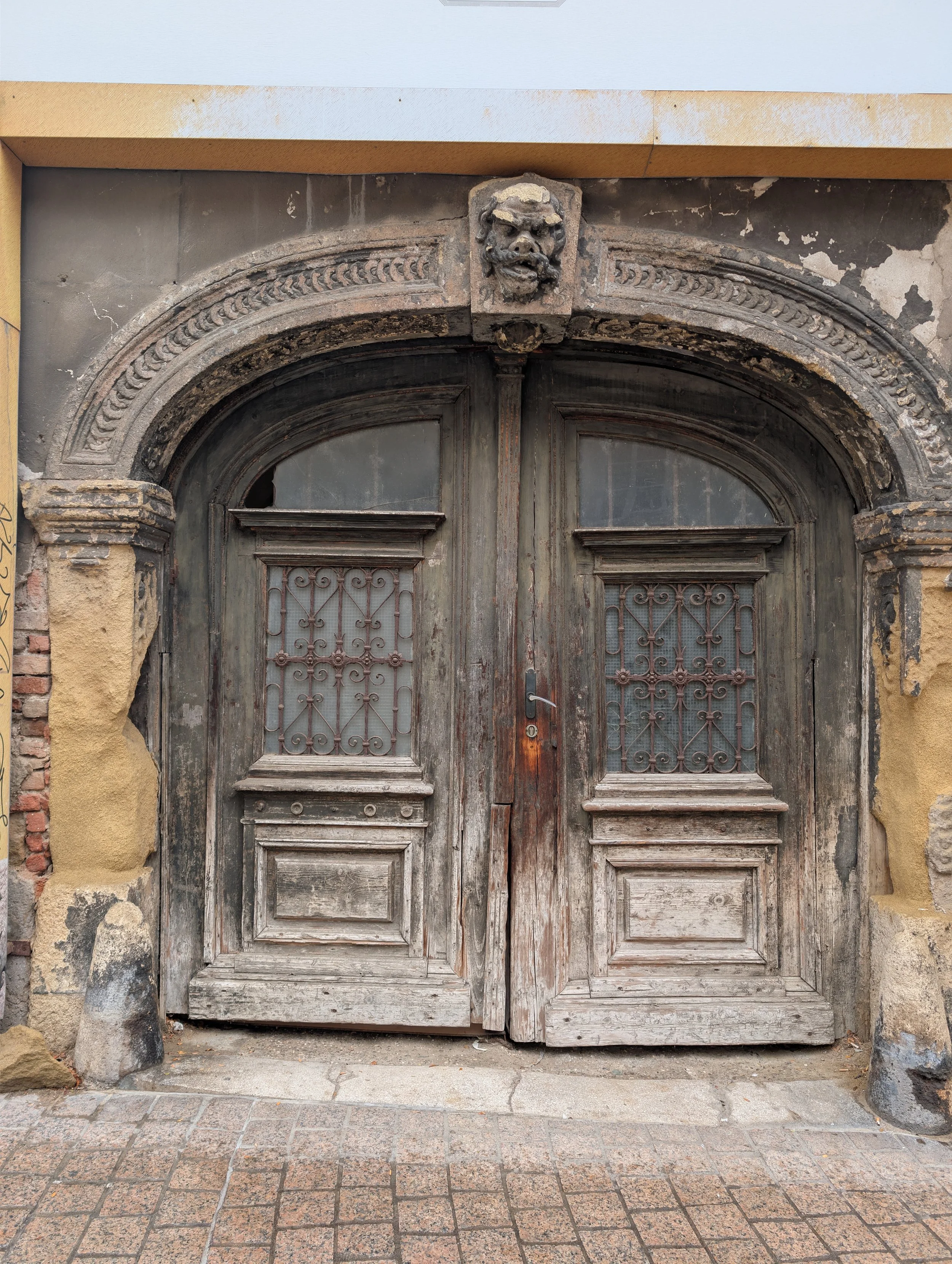
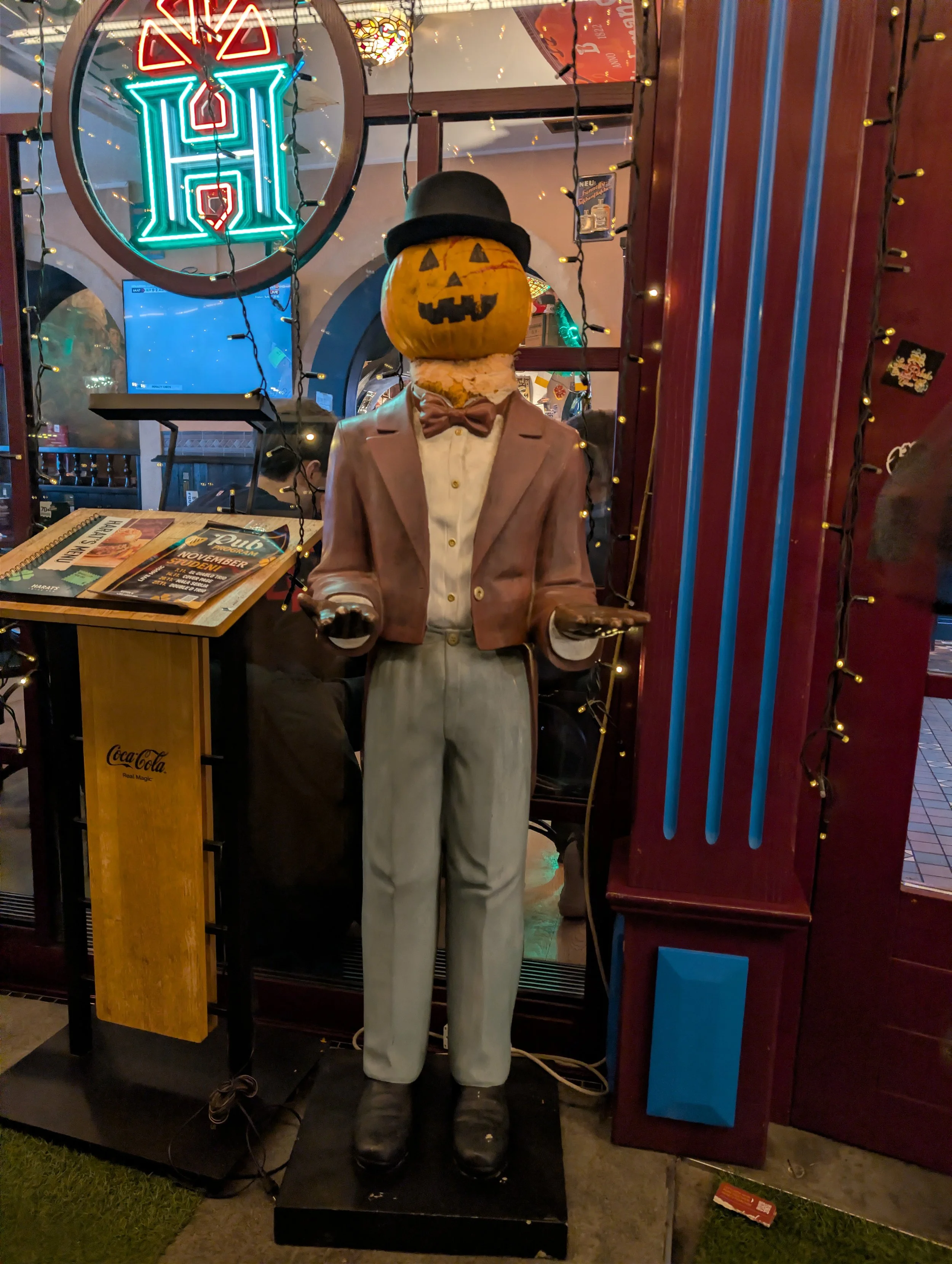
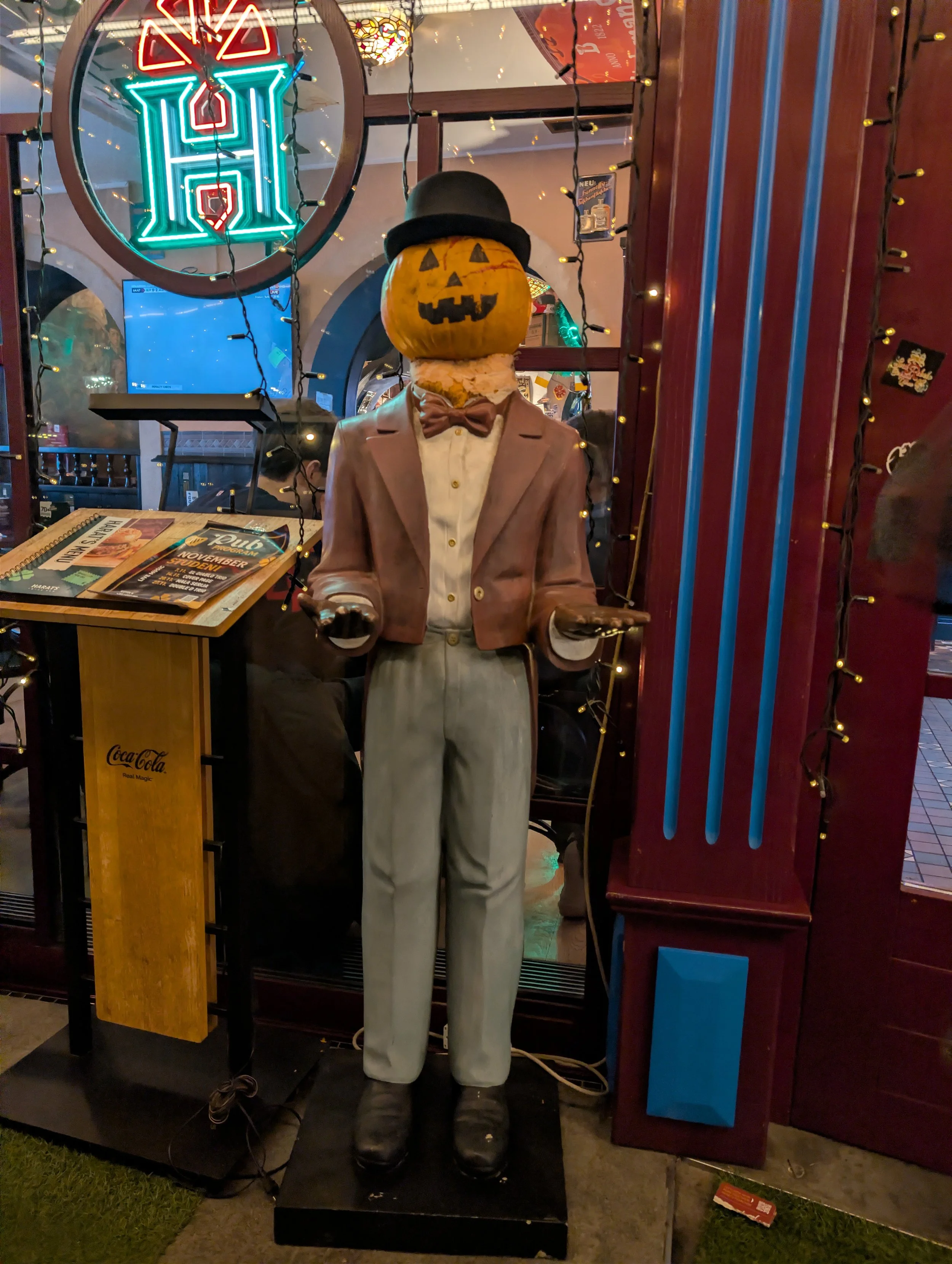
Elsewhere, the city's creative side popped up in all sorts of ways: a charming crescent-moon mural cradling Zagreb's skyline and a traditional red Licitar heart, weathered historic wooden doorways watched over by carved stone faces, and a pub entrance guarded by a sharply dressed mannequin with a pumpkin for a head. After dark, we even passed a building completely draped in autumn foliage, twinkling fairy lights and teddy bears sitting in every single window.
Food, coffee and winter weather
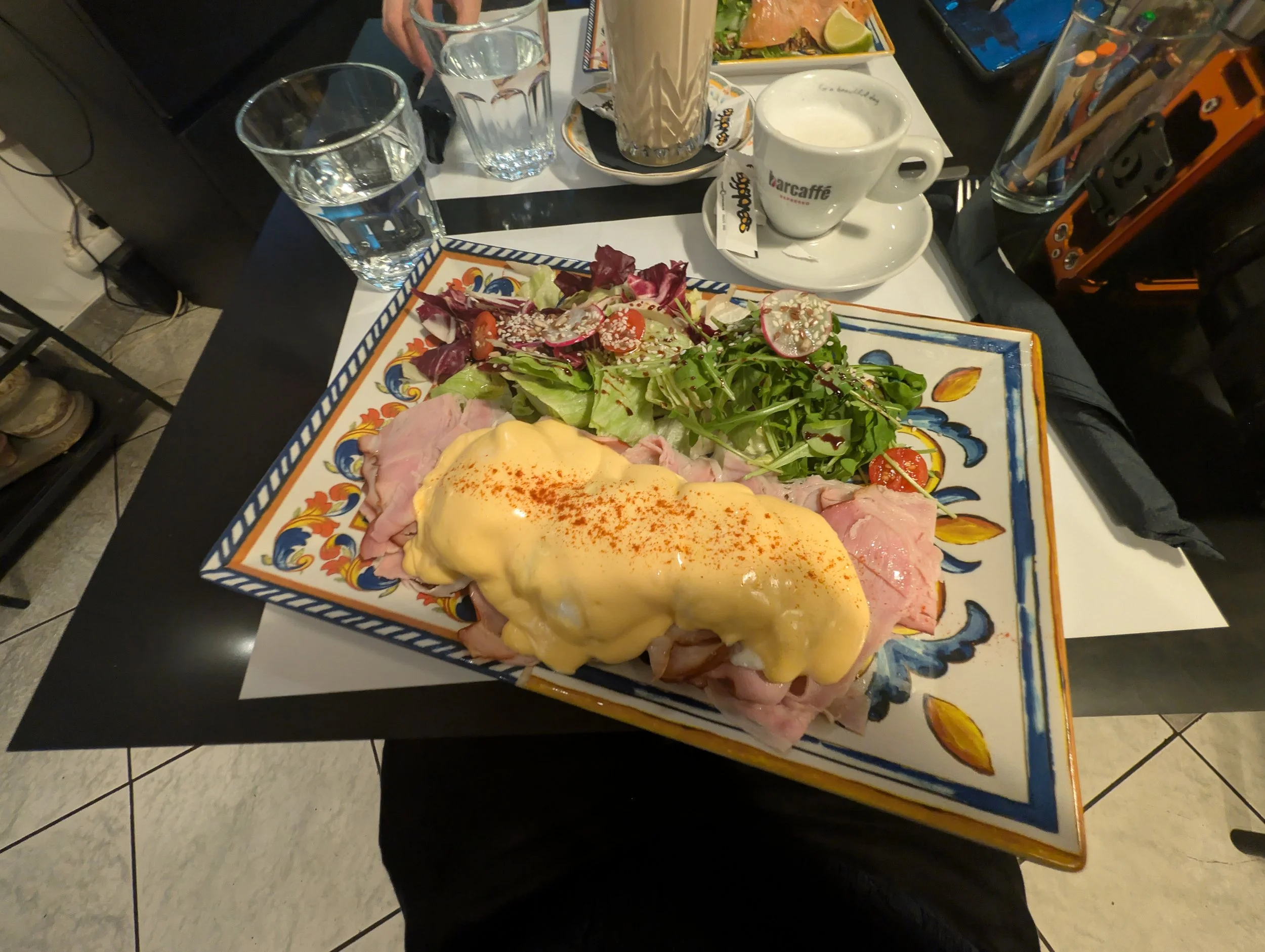
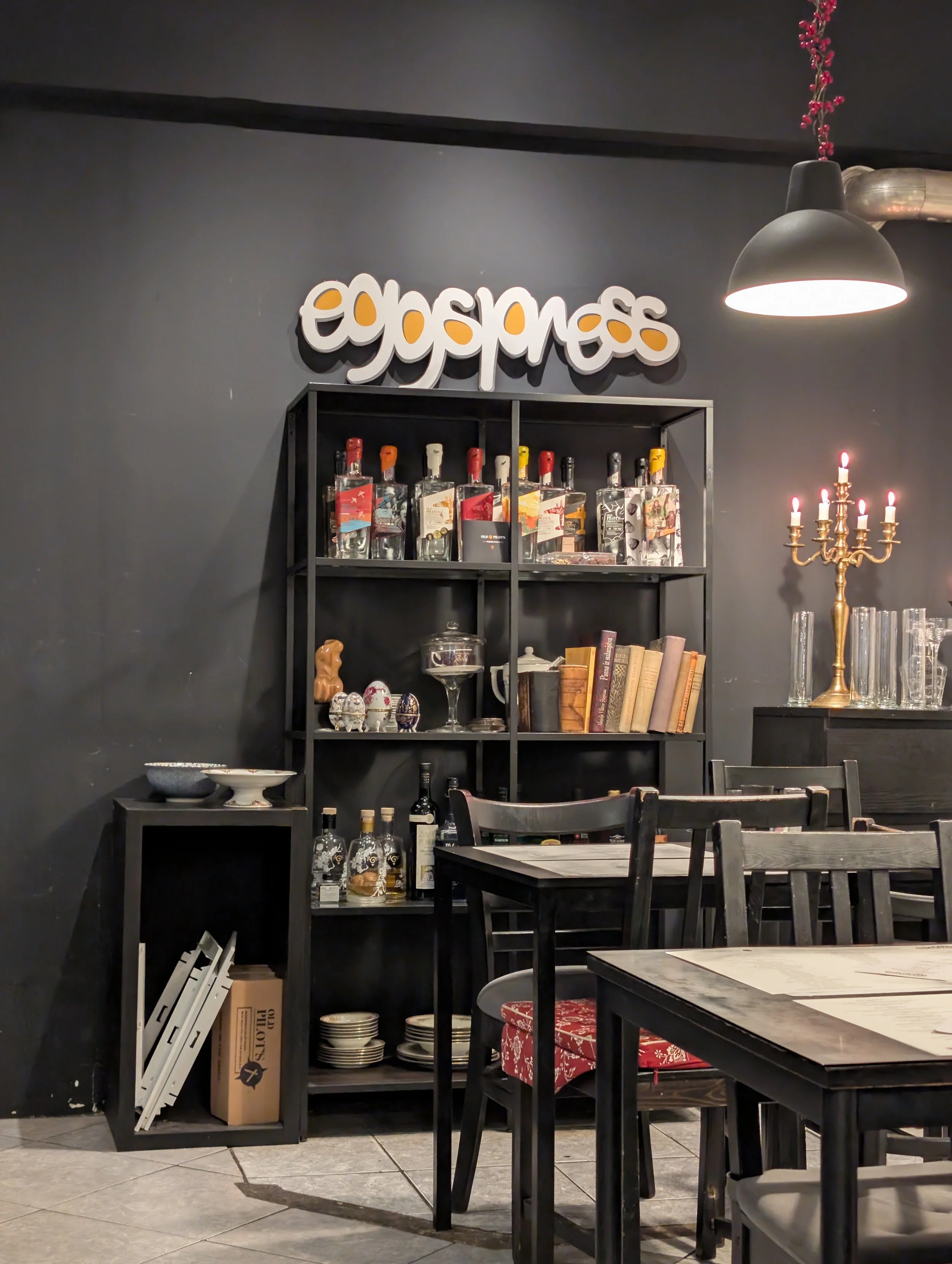
Because we were visiting during the colder months, ducking into cafés and restaurants became a very welcome part of the routine. Zagreb has a strong café culture, and stopping for a proper brunch—like a hearty plate of eggs Benedict with a fresh salad and a good coffee—was the ideal way to warm up before heading back out into the chilly air.
Visiting in winter definitely shaped our experience of the city. The shorter days and grey skies gave the streets a quieter, more subdued feel, and while the evening lights added a lovely warmth, you could tell that Zagreb is a city designed for outdoor terraces and long summer evenings.
What else is worth seeing in Zagreb?
If you have a couple of days in the city—or if you visit when the weather is warmer—there are several other spots worth adding to your itinerary:
St. Mark's Church: Famous for its colourful tiled roof depicting the coats of arms of Zagreb and Croatia.
Dolac Market: Best visited in the morning when the iconic red umbrellas are up and the stalls are busy with local produce.
Tkalčićeva Street: A lively pedestrian street lined with cafés, bars and restaurants.
Museum of Broken Relationships: One of Zagreb's most famous and unusual museums, located in the Upper Town.
Zrinjevac Park: Part of the city's "Green Horseshoe," ideal for a relaxed stroll when the sun is out.
Our photography highlights
Zagreb offered a slightly grittier, more candid mix of subjects than the postcard views of Lake Bled or the riverside elegance of Ljubljana. With the cathedral under repair, we naturally leaned more into street-level details: weathered doorways, bronze statues framed by autumn leaves, street art, and illuminated evening storefronts.
For anyone visiting with a camera, it is worth looking closely at the smaller corners of the Upper Town and keeping an eye out for the quirky, everyday moments that give the city its personality.
Would we recommend visiting Zagreb?
Yes—Zagreb was definitely good to see, and we are glad we included it as the final stop before flying home. It has a relaxed atmosphere, interesting history and plenty of character once you start exploring on foot.
That said, if we are being completely honest about how it rated compared to the other places on our itinerary, Ljubljana had to be our favourite city of the trip. Between the cathedral being under repair and the colder winter weather, Zagreb didn't quite hit the same heights for us this time around.
Quirky details and unexpected sights
What we really enjoyed about Zagreb was the number of smaller, slightly eccentric details you stumble across simply by walking around.
One of our favourite surprises was turning a corner and spotting a genuine London black cab—complete with UK number plates and a Transport for London licence—parked right in the middle of the Croatian capital. It certainly wasn't what we expected to see so far from home.
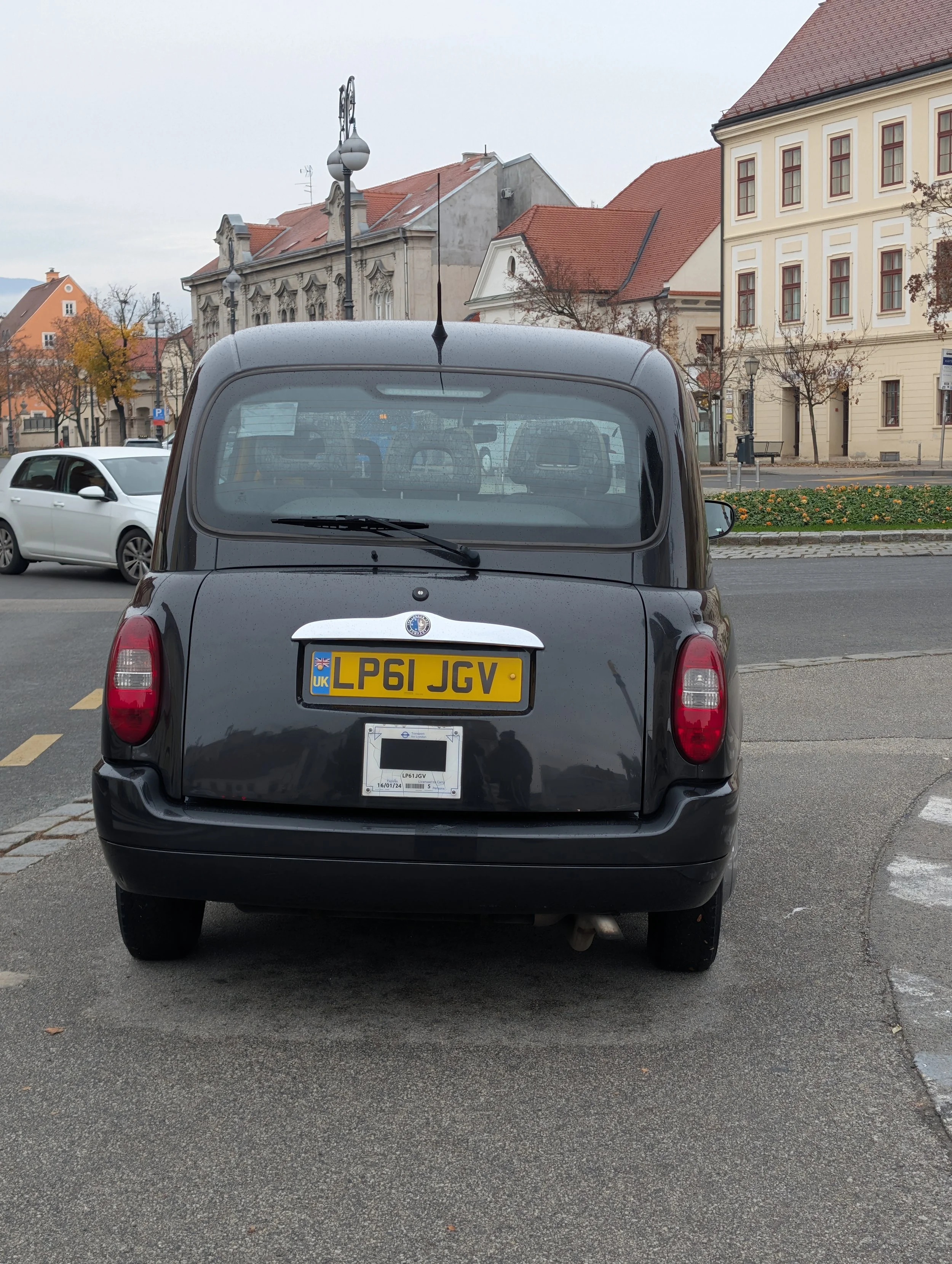
Elsewhere, the city's creative side popped up in all sorts of ways: a charming crescent-moon mural cradling Zagreb's skyline; a traditional red Licitar heart; weathered historic wooden doorways watched over by carved stone faces; and a pub entrance guarded by a sharply dressed mannequin with a pumpkin for a head. After dark, we even passed a building completely draped in autumn foliage, twinkling fairy lights and teddy bears sitting in every single window.
Food, coffee and winter weather
Because we were visiting during the colder months, ducking into cafés and restaurants became a very welcome part of the routine. Zagreb has a strong café culture, and stopping for a proper brunch—like a hearty plate of eggs Benedict with a fresh salad and a good coffee—was the ideal way to warm up before heading back out into the chilly air.
Visiting in winter definitely shaped our experience of the city. The shorter days and grey skies gave the streets a quieter, more subdued feel, and while the evening lights added a lovely warmth, you could tell that Zagreb is a city designed for outdoor terraces and long summer evenings.
What else is worth seeing in Zagreb?
If you have a couple of days in the city—or if you visit when the weather is warmer—there are several other spots worth adding to your itinerary:
St. Mark's Church: Famous for its colourful tiled roof depicting the coats of arms of Zagreb and Croatia.
Dolac Market: Best visited in the morning when the iconic red umbrellas are up, and the stalls are busy with local produce.
Tkalčićeva Street: A lively pedestrian street lined with cafés, bars and restaurants.
Museum of Broken Relationships: One of Zagreb's most famous and unusual museums, located in the Upper Town.
Zrinjevac Park: Part of the city's "Green Horseshoe," ideal for a relaxed stroll when the sun is out.
Our photography highlights
Zagreb offered a slightly grittier, more candid mix of subjects than the postcard views of Lake Bled or the riverside elegance of Ljubljana. With the cathedral under repair, we naturally leaned more into street-level details: weathered doorways, bronze statues framed by autumn leaves, street art, and illuminated evening storefronts.
For anyone visiting with a camera, it is worth looking closely at the smaller corners of the Upper Town and keeping an eye out for the quirky, everyday moments that give the city its personality.
How did Zagreb compare to the rest of our trip?
Zagreb was definitely good to see, and we are glad we included it as the final stop before flying home. It has a relaxed atmosphere, interesting history and plenty of character once you start exploring on foot.
That said, if we are being completely honest about how it rated compared to the other places on our itinerary, Ljubljana had to be our favourite city of the trip. Between the cathedral being under repair and the colder winter weather, Zagreb didn't quite hit the same heights for us this time around.
Would we go back? Yes—I would certainly like to return in the summer. With warmer weather, bustling outdoor cafés and the cathedral eventually restored, it would be great to see Zagreb in a completely different light.