

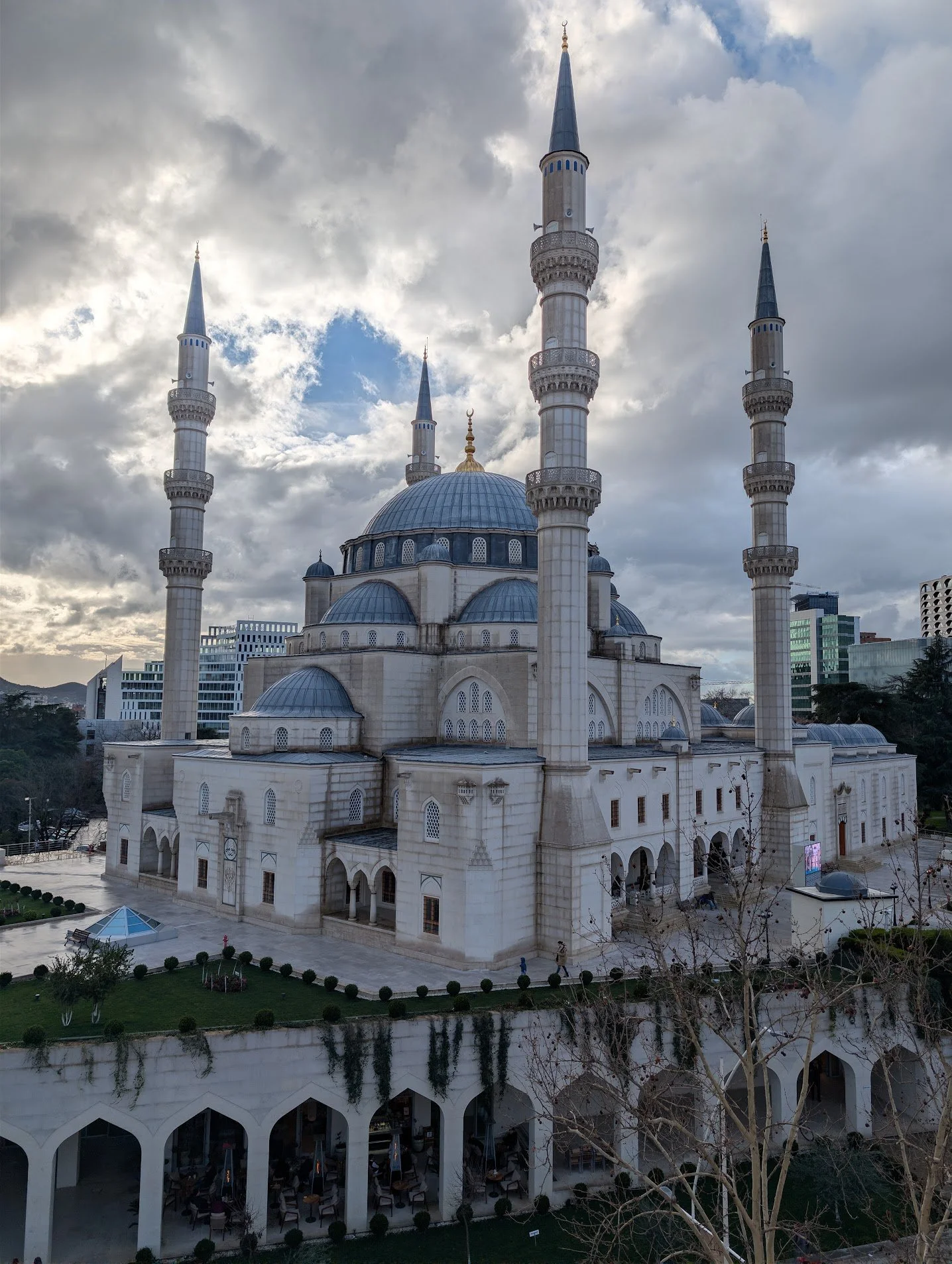
Albania: Tirana, the Riviera & Beyond
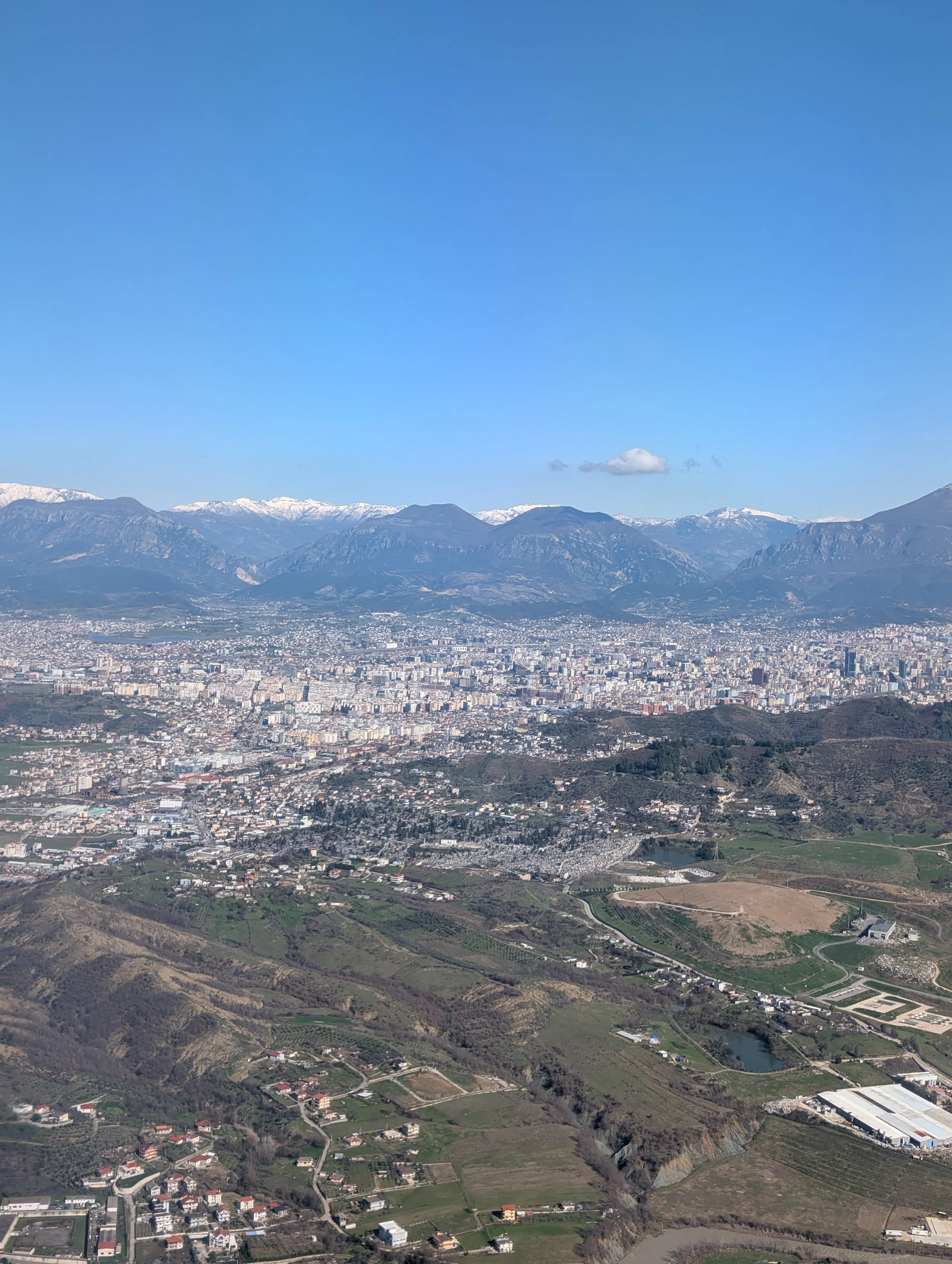
It All Begins Here
Albania is a country full of character, history and beautiful contrasts. From lively city streets and historic architecture to spectacular coastlines and traditional villages, it offers plenty to discover.
Our journey into Albania began in Tirana, a capital city that combines its fascinating past with a modern, energetic atmosphere. Although it was a relatively short escape, it gave us an opportunity to experience a little of what makes this country so interesting.
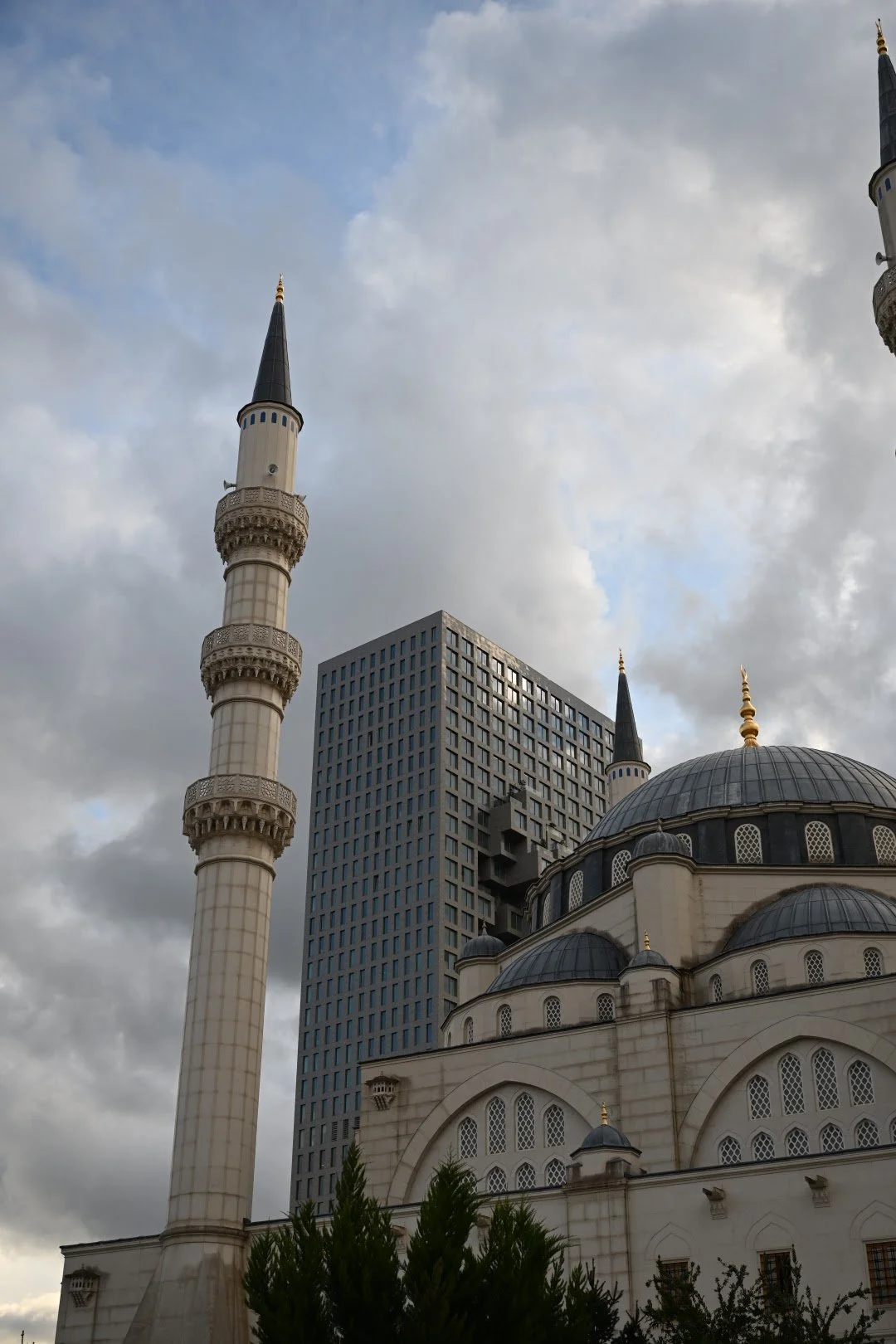
Discovering Tirana
Arriving in Tirana, one of the first things you notice is the contrast between its architecture, colourful buildings and busy streets. The city has a distinctive personality, with reminders of its history sitting alongside cafés, restaurants and modern developments.
Walking around the centre is a great way to experience the atmosphere. There is plenty to see, from impressive religious buildings to public squares and smaller streets that reveal everyday life in the capital.
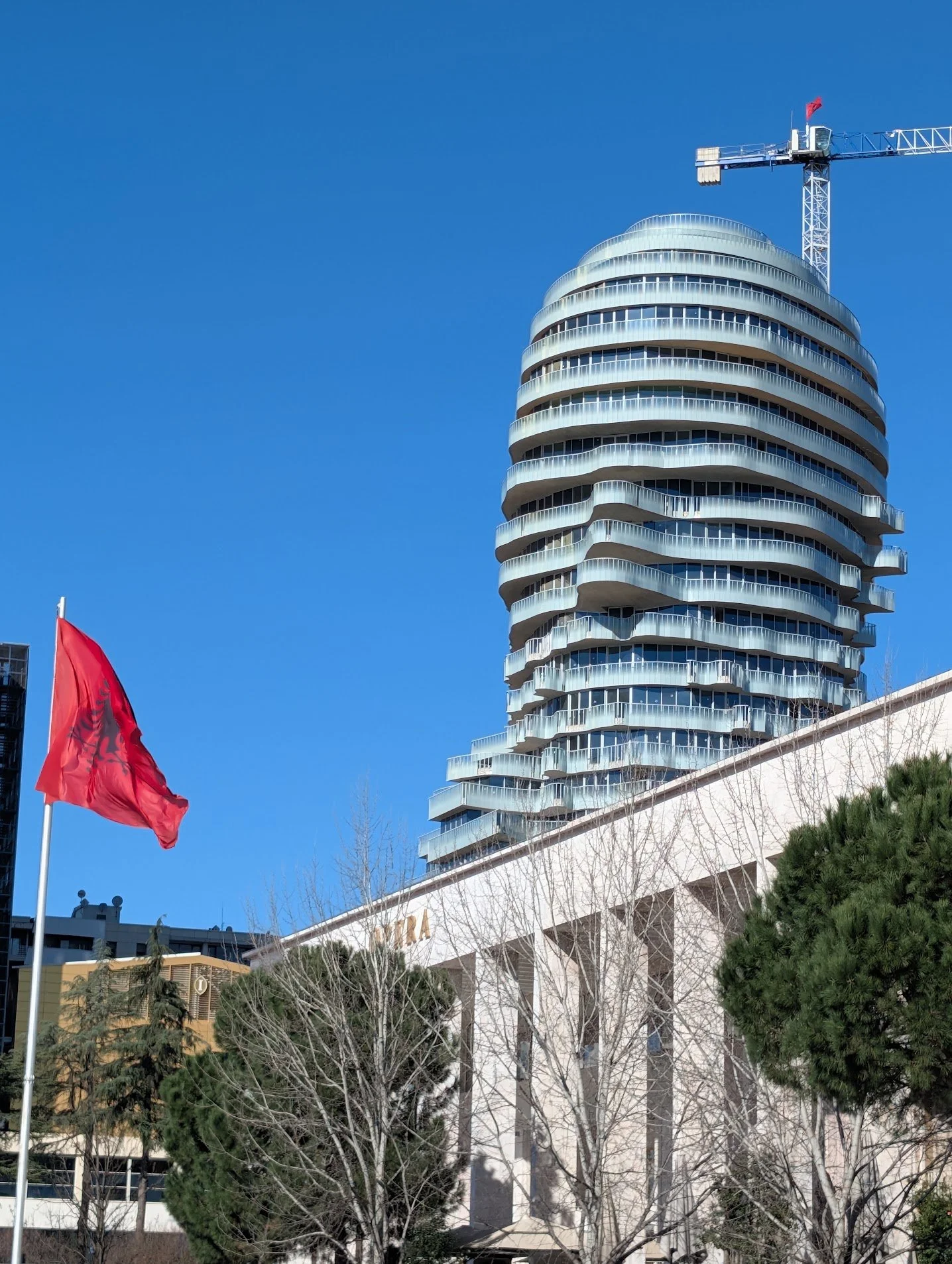
Skanderbeg Square, the Heart of Tirana
Skanderbeg Square sits at the centre of the city, one of Tirana's most important public spaces.
Significant buildings and landmarks surround the square, making it a natural starting point for exploring the capital. It is also a great place to stop, take photos, and take in the city's scale and atmosphere.
The surrounding architecture, open space, and activity make it an especially interesting photography location.

Beyond Tirana: More of Albania to Discover
Although our own experience focused on Tirana, there is so much more to explore across Albania. For anyone planning a longer visit, the country offers historic towns, mountain scenery and a beautiful coastline.
Here are a few destinations worth adding to your travel plans.
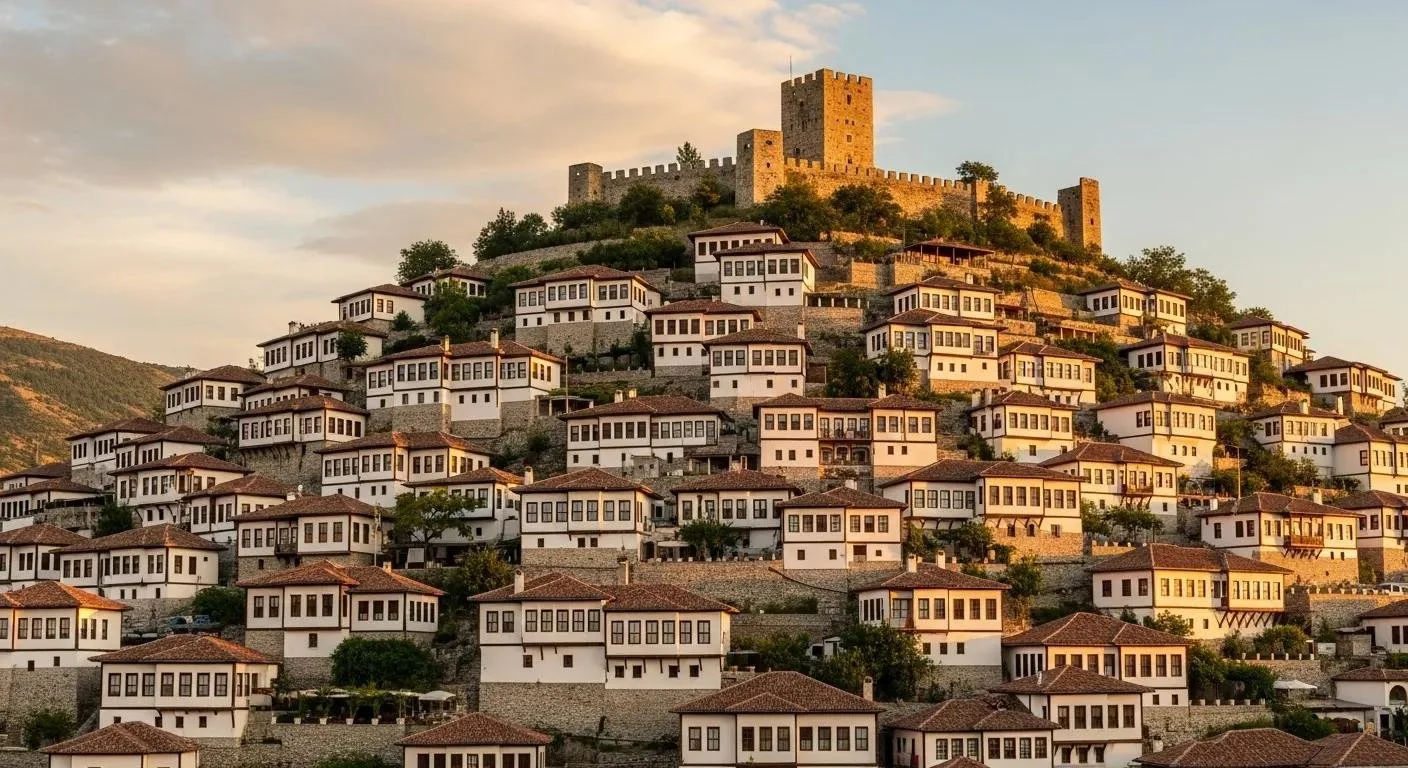
Berat, the City of a Thousand Windows
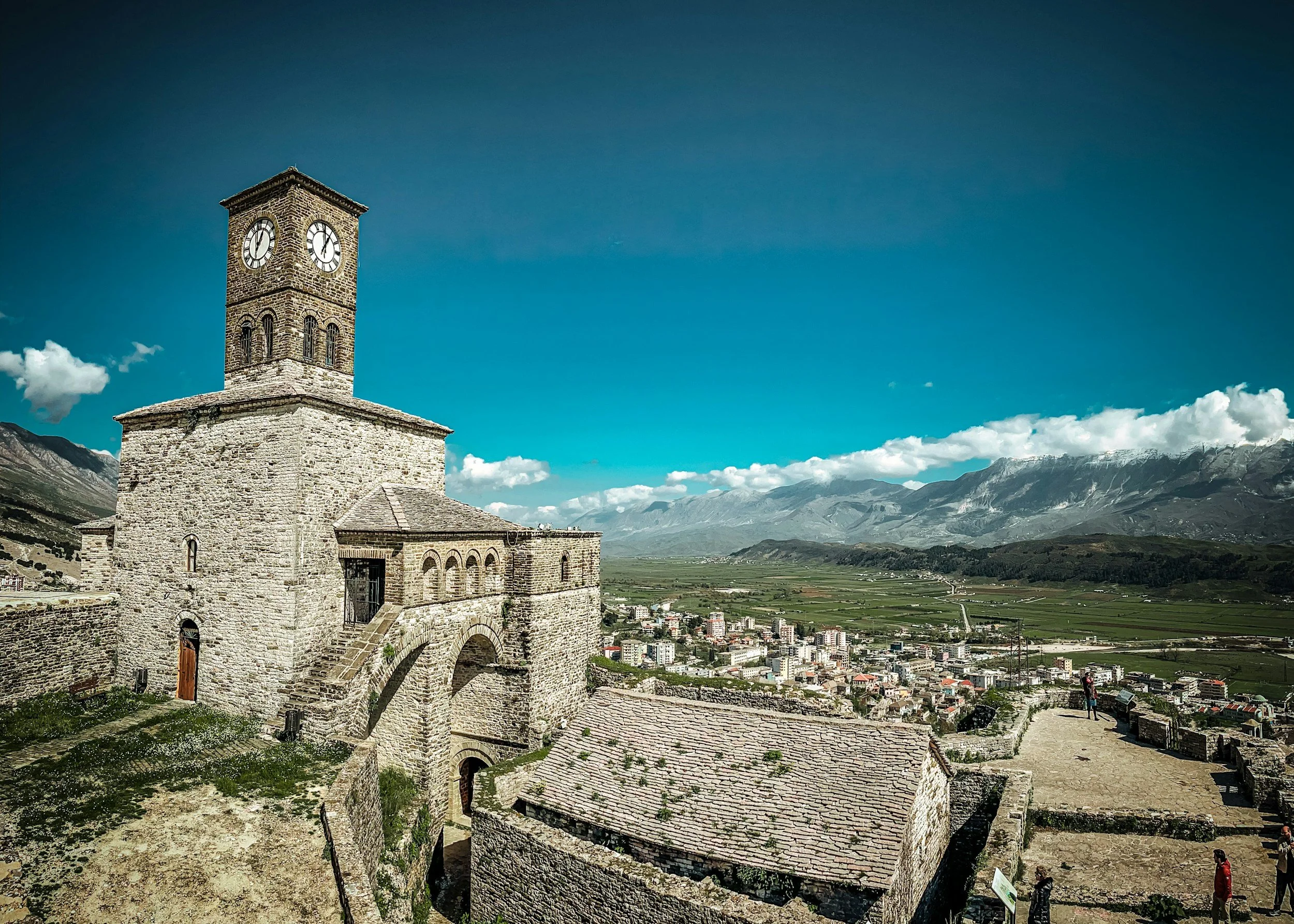
What to Eat in Albania
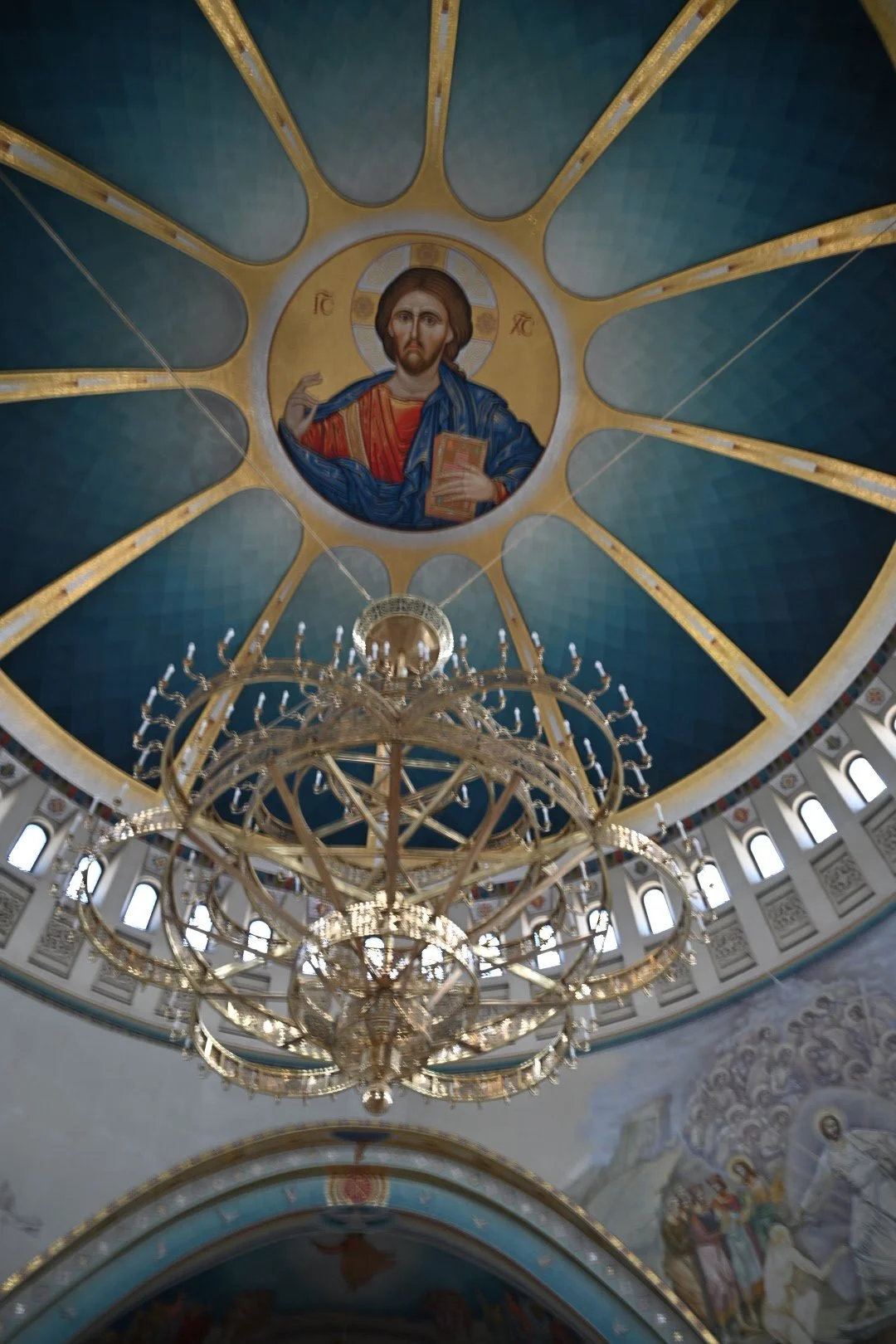
Architecture, History and Religious Diversity
One highlight of exploring Tirana is its architecture. The city reflects different periods of Albanian history, and its religious landmarks offer an interesting insight into the country's cultural identity.
The Resurrection of Christ Orthodox Cathedral is one of the city's most recognisable buildings. Completed in 2012, its impressive dome and architectural details make it particularly striking.
You should also visit Saint Paul's Cathedral, another important religious landmark in the capital.
Albania is known for its history of religious coexistence, and seeing different places of worship in the same city reminds you of this cultural diversity.
Coffee Culture and Everyday Life
One enjoyable part of visiting Albania is experiencing everyday culture.
Tirana has a lively café scene, where locals and visitors spend time over coffee, meet friends, and enjoy the city's social atmosphere. The Blloku neighbourhood is particularly well known for its cafés, restaurants and nightlife.
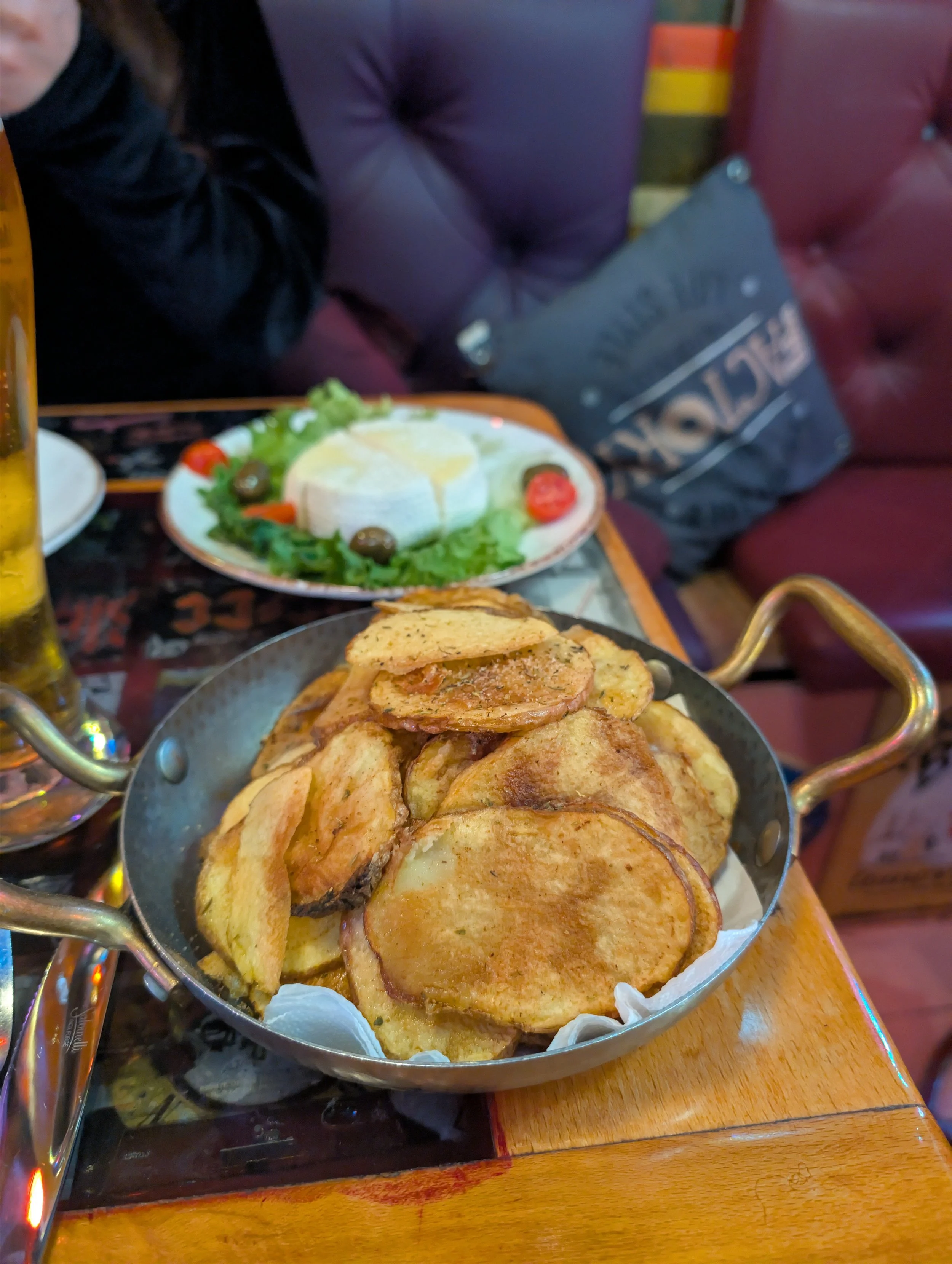
Food is another important part of discovering the country. Traditional dishes such as byrek, tavë kosi and fërgesë offer a taste of Albanian cooking, while coastal areas are known for their seafood.
Sometimes, it is these smaller experiences, sitting down for a coffee, exploring a local street or enjoying a meal, that make a short trip memorable.
Food is an important part of experiencing any destination, and Albania has plenty to offer.
Some traditional dishes worth looking out for include:
Byrek: A savoury pastry usually filled with cheese, spinach or meat.
Tavë kosi: A traditional baked dish made with lamb, yoghurt and eggs.
Fërgesë: A dish commonly prepared with peppers, tomatoes and cheese.
Qofte: Albanian-style meatballs.
Fresh seafood: Particularly popular along the coast.
And, of course, no visit is complete without enjoying traditional Albanian coffee.
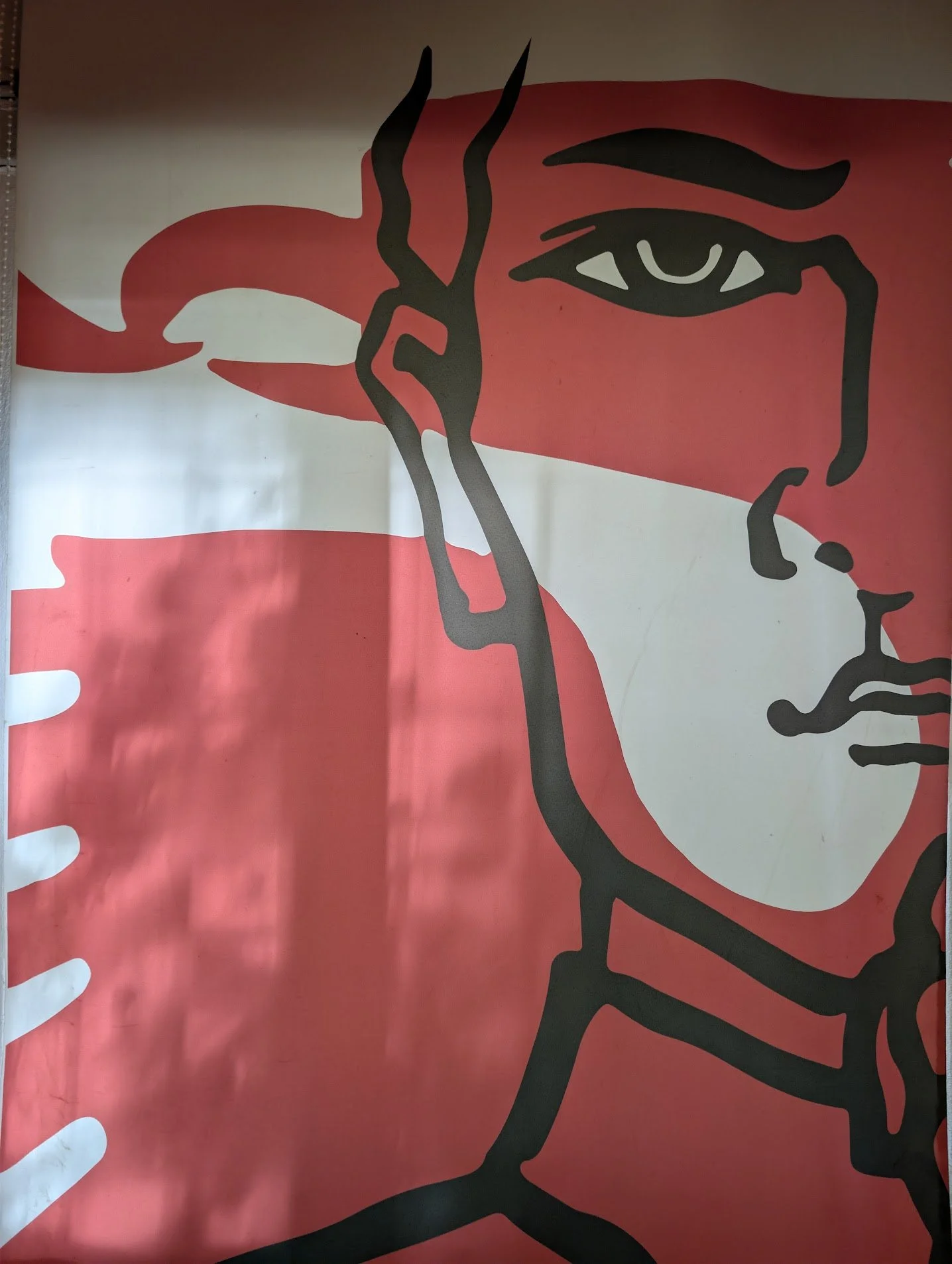
Gjirokastër, a Historic Mountain Town
Gjirokastër is another UNESCO World Heritage Site, known for its traditional stone architecture, cobbled streets and impressive hilltop castle. It is an excellent destination for anyone interested in history and traditional Albanian culture.
When Is the Best Time to Visit Albania?
Albania is an attractive destination most of the year, but the best time depends on what you want to experience.
Spring (April to June): Pleasant temperatures for exploring cities and historic attractions.
Summer (July to August): Ideal for beaches and coastal destinations, although some areas can become busy.
Autumn (September to October): A good balance of warmer weather and fewer summer crowds.
Winter (November to March): A quieter period, ideal for exploring cities, though mountain and coastal conditions vary.
For a combination of sightseeing and coastal exploration, late spring and early autumn are particularly appealing.
Is Albania Worth Visiting?
Absolutely. Albania offers an interesting combination of history, architecture, culture, food and natural beauty.
Our short escape to Tirana introduced us to a country with plenty of character. From its religious landmarks and colourful streets to its café culture and welcoming atmosphere, the capital offers plenty to discover.
There is also so much more beyond the city, from the historic towns of Berat and Gjirokastër to the beautiful beaches of the Albanian Riviera.
For anyone looking for somewhere a little different to explore in Europe, Albania is certainly worth considering.