Our first stop on a journey through Italy, Slovenia and Croatia
Our journey began in London, with a flight to Trieste in north-eastern Italy. We chose the city as the starting point for our trip because it offered a chance to explore somewhere a little different before crossing the border into Slovenia and continuing towards Croatia.
Trieste turned out to be a lovely introduction to the region. The weather, admittedly, wasn't quite what we'd hoped for. Rain followed us for much of our stay, but it certainly didn't spoil the experience. If anything, it gave the city a different atmosphere, with wet pavements reflecting the lights, quieter streets and plenty of opportunities to enjoy Italy's famous coffee culture.
We spent our time exploring the centre, wandering along the waterfront, taking in the architecture, and visiting the beautiful Miramare Castle. And, of course, we made sure to enjoy some excellent Italian food along the way.
Why we chose Trieste
Trieste was a practical and interesting starting point for our trip. Sitting close to the Slovenian border, it made sense to begin in Italy before travelling onwards through Slovenia and eventually into Croatia.
It's also a city with a character all of its own. Its history has been shaped by different cultures and influences, giving it a distinctive mix of Italian, Central European and Mediterranean styles. You can see that in the grand buildings, the waterfront, the churches and even the café culture.
We didn't want to spend the whole trip rushing between major tourist destinations. Trieste gave us the opportunity to slow down, explore on foot and enjoy a city that feels a little different from some of Italy's better-known destinations.
Exploring the centre of Trieste
One of the first places we wanted to see was Piazza Unità d'Italia, the city's impressive main square. With its grand historic buildings opening out towards the Adriatic Sea, it's an excellent place to start exploring.
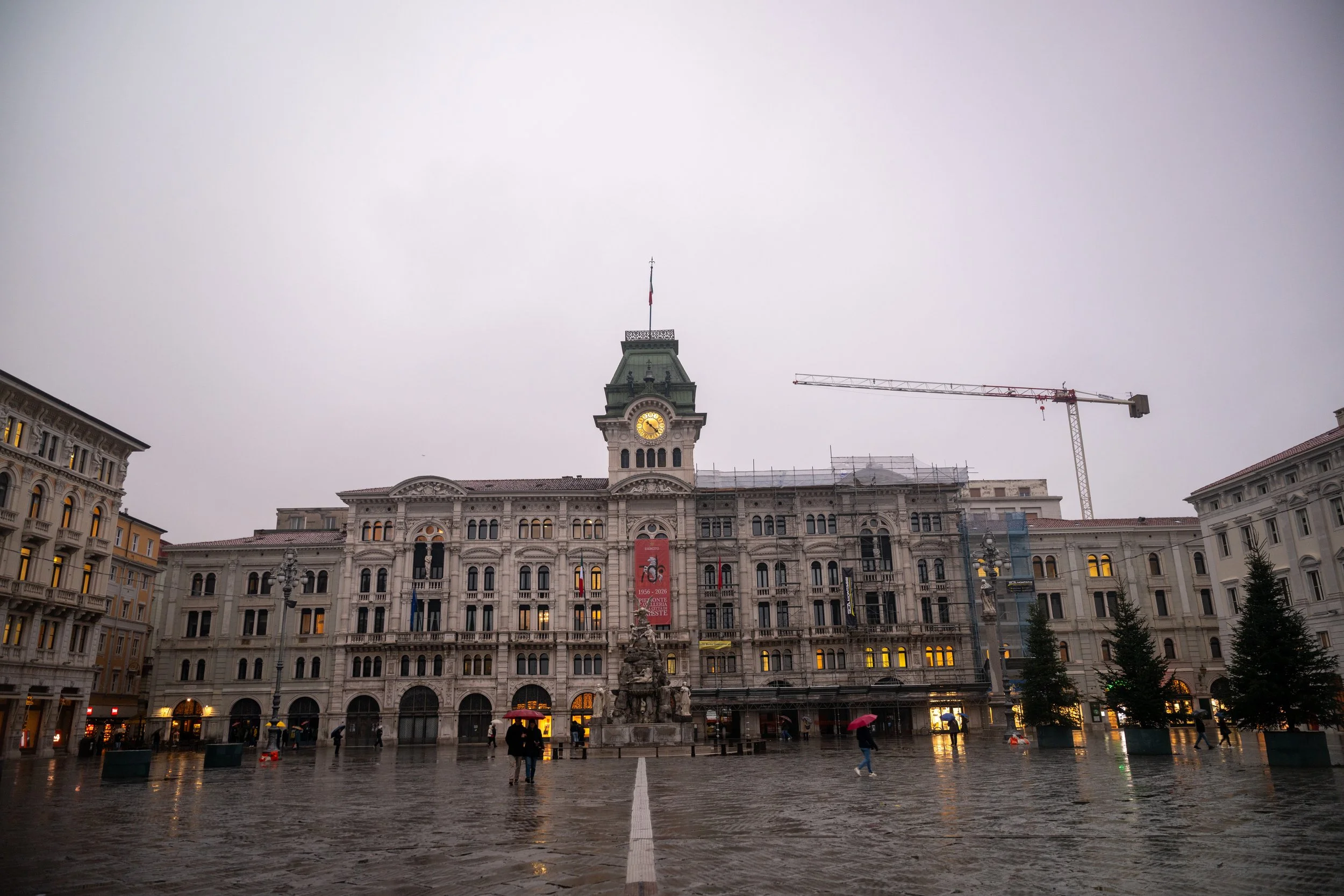
The square looks particularly atmospheric when the weather turns grey. During our visit, the rain left the paving stones reflecting the surrounding buildings and warm lights from the cafés. It wasn't the sunny Italian city break we had imagined, but it made for some lovely photographs.
From here, it's easy to continue towards Molo Audace, the long pier extending into the sea, and along the waterfront. On a clearer day, it's a great place to take in the Gulf of Trieste.
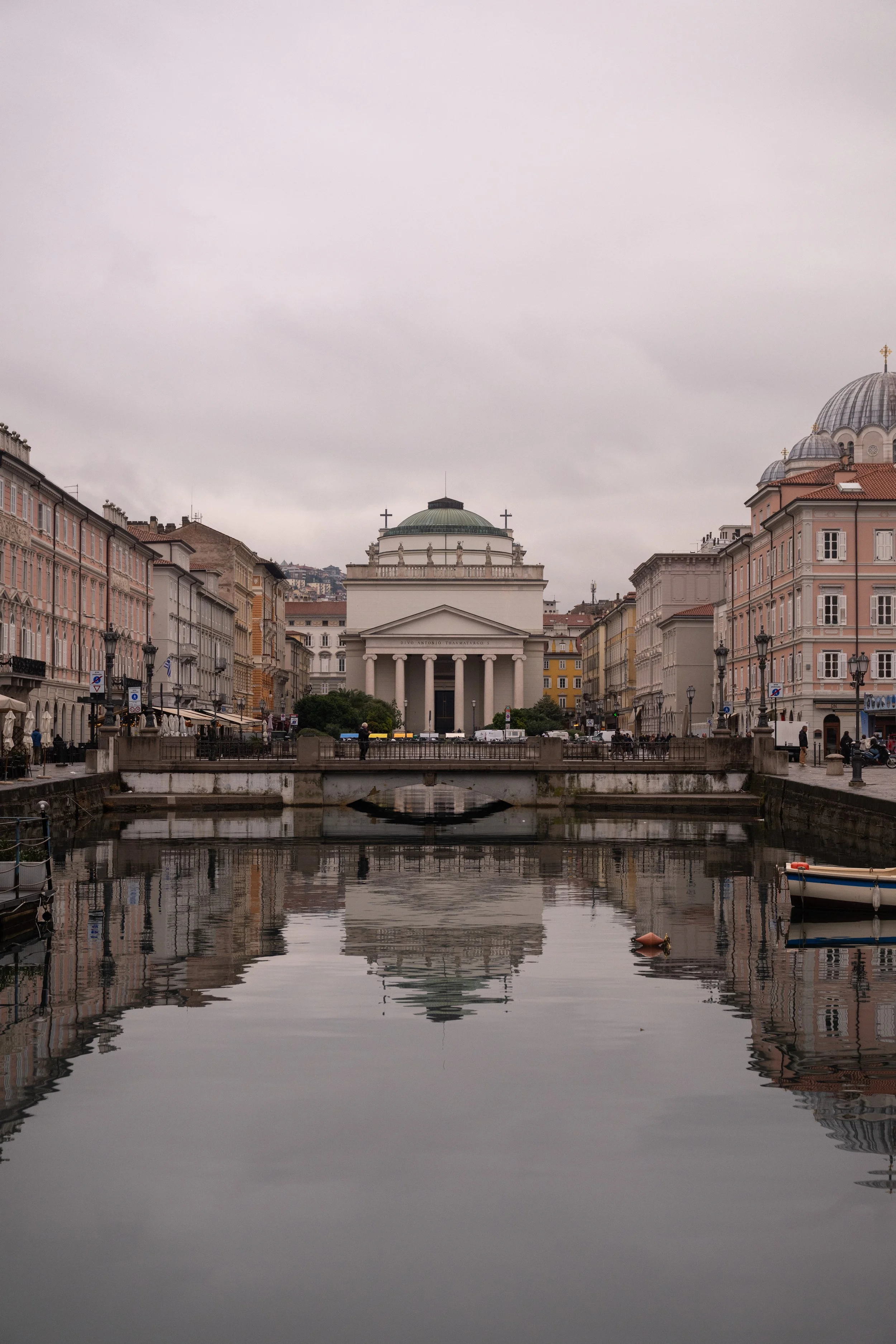
We also enjoyed wandering towards Canal Grande, where the water, historic buildings and bridges create one of the city's most recognisable views. The area is particularly photogenic, and it's worth taking time to explore the smaller streets around it rather than simply stopping for a quick photograph.
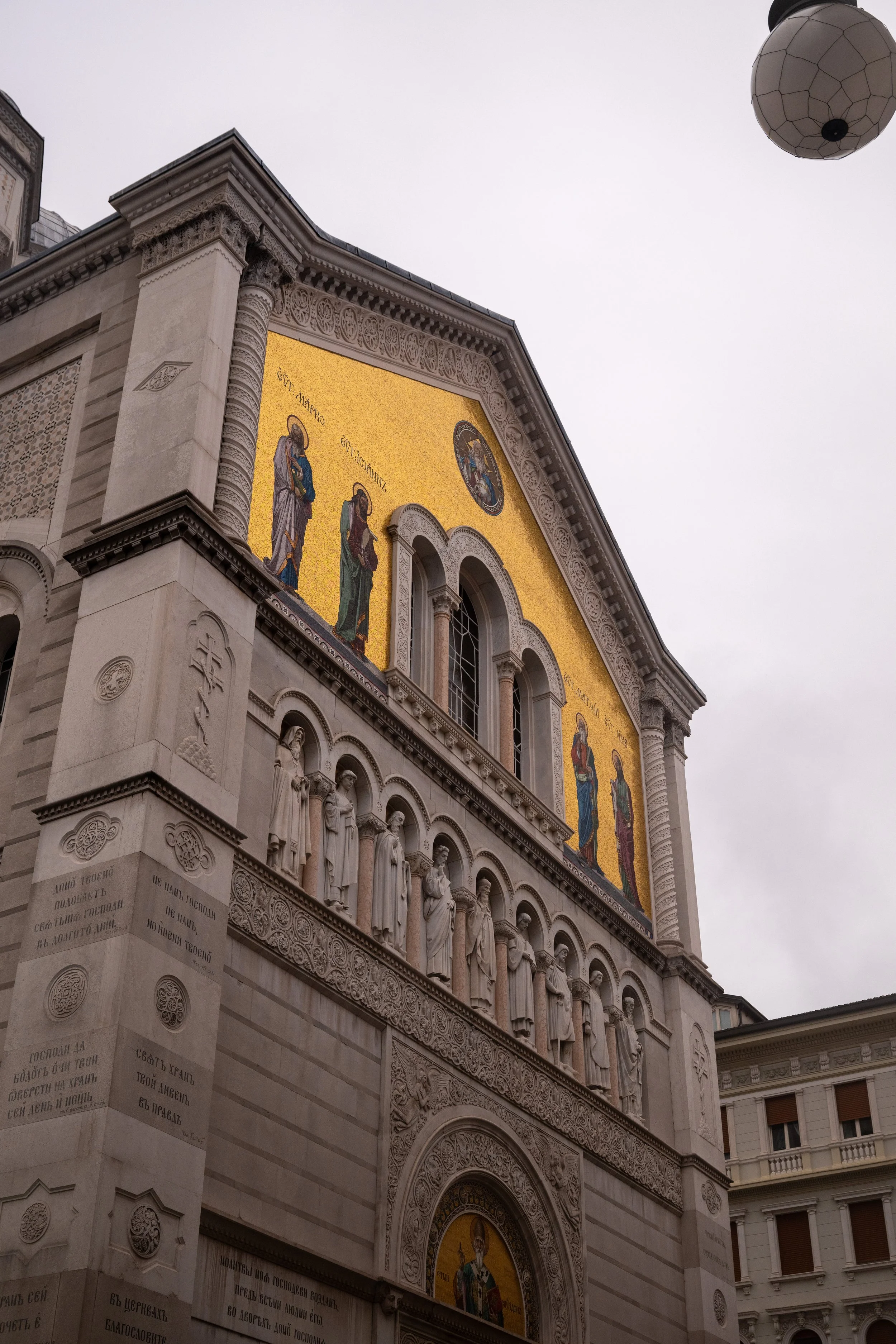
Another detail we appreciated was the city's architecture and religious heritage. Trieste has several historic churches representing different communities, including the impressive Serbian Orthodox Church of Saint Spyridon. Its exterior and richly decorated interior are well worth seeing if you enjoy architecture and photography.
A visit to the beautiful Miramare Castle
If there's one place we'd particularly recommend adding to a Trieste itinerary, it's Miramare Castle.
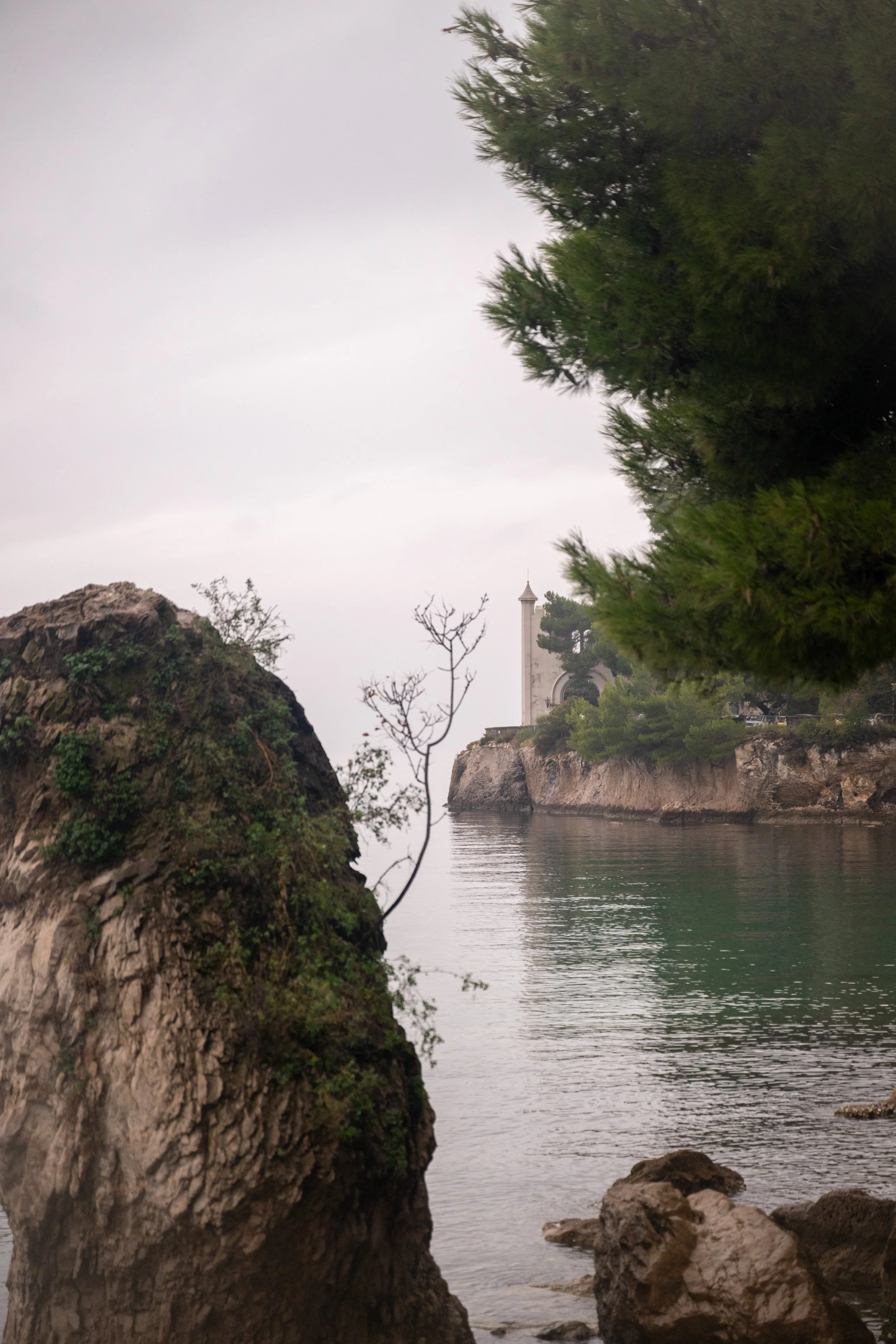
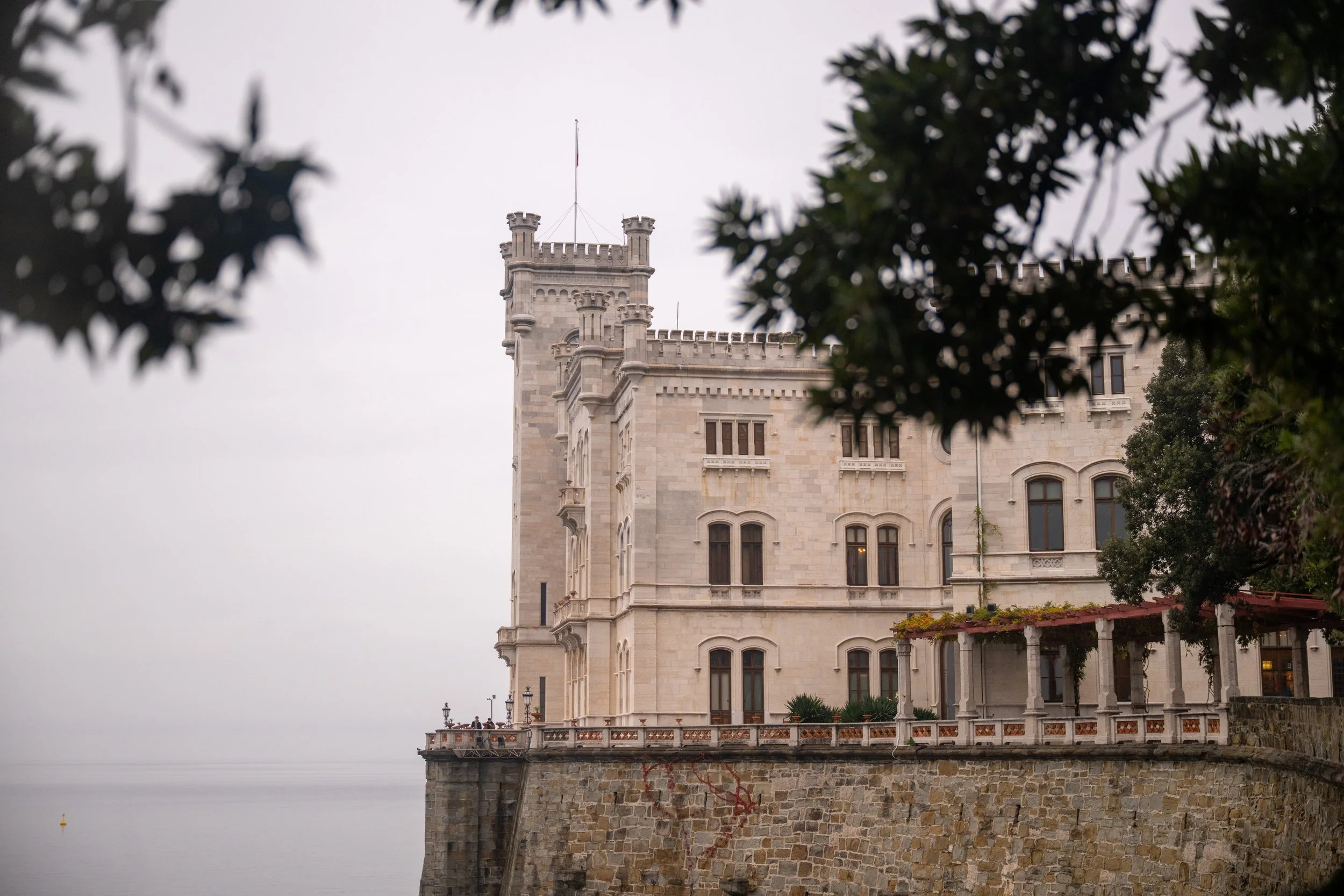
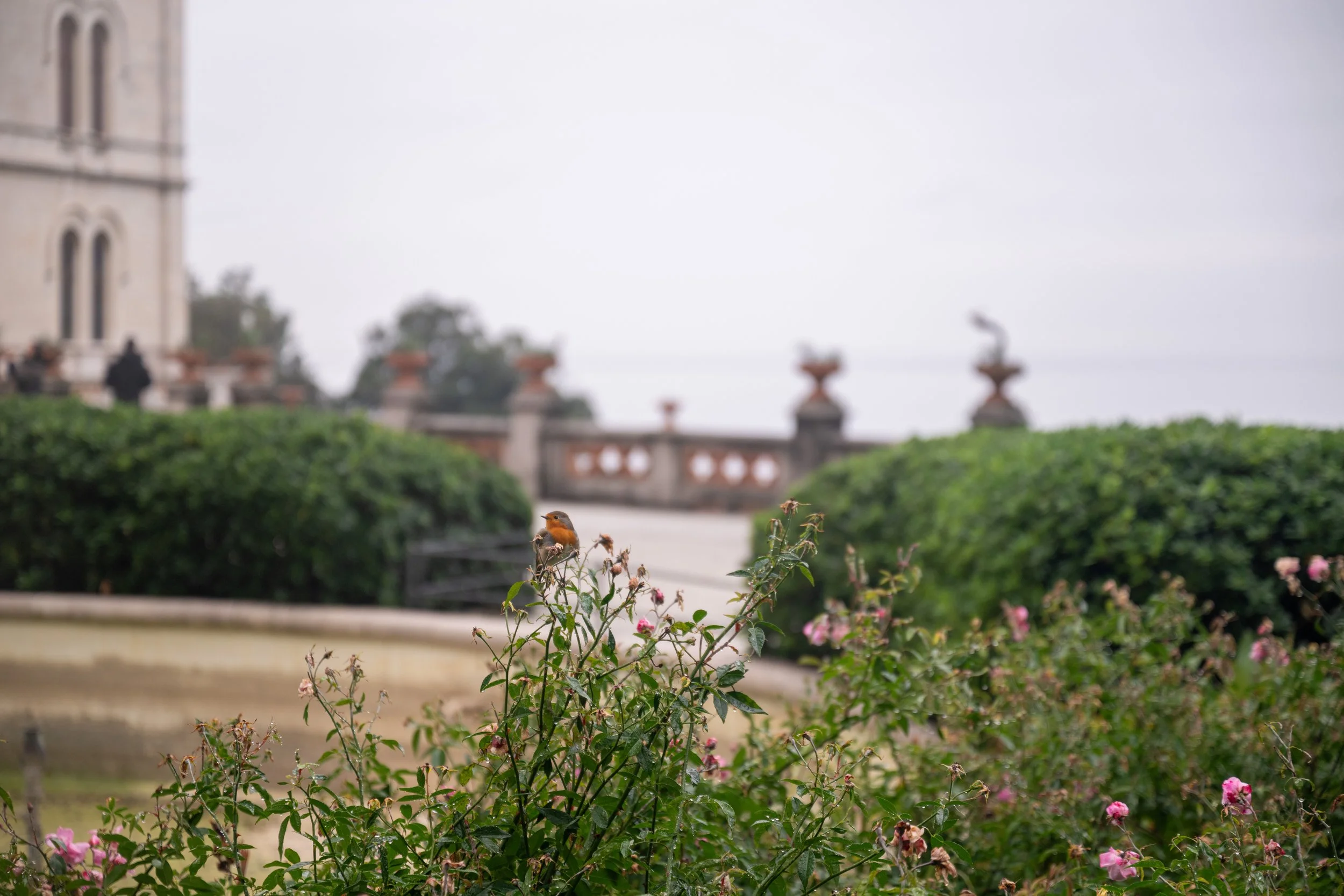
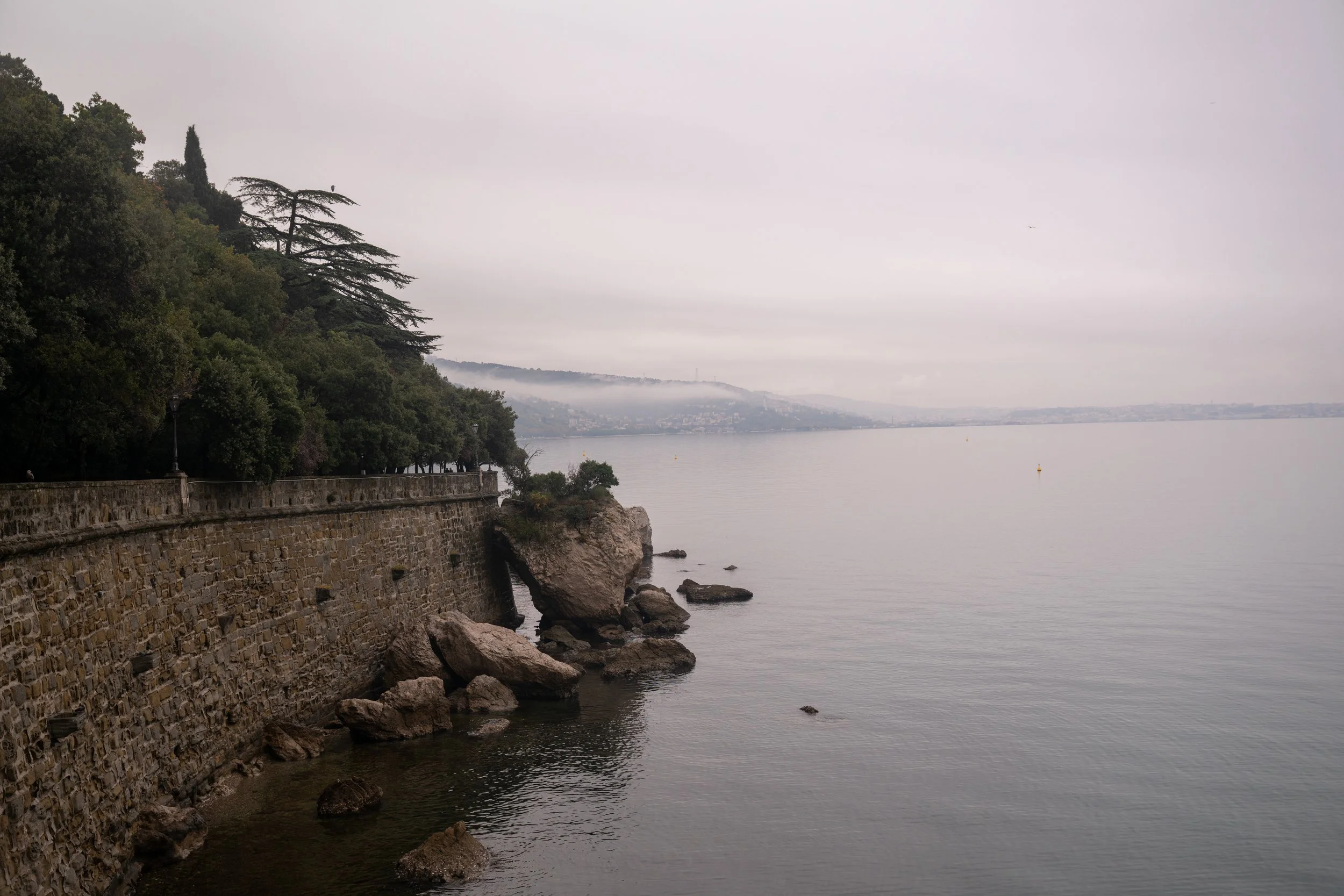
Set on a rocky headland overlooking the Gulf of Trieste, the castle is a striking sight. Its pale stone exterior, towers and gardens make it feel quite different from the busy city centre. Even with the overcast weather, we thought it was gorgeous.
The castle was built for Archduke Ferdinand Maximilian of Habsburg and his wife Charlotte. Today, visitors can explore the historic rooms and enjoy the surrounding park, which provides a lovely setting for a walk.
We particularly enjoyed taking our time around the grounds. There were plenty of little details to notice, including the gardens, plants and birds, as well as views towards the sea. It was a welcome change of pace from the city streets.
Our tip: Allow a good part of your day for Miramare rather than treating it as a quick photo stop. Check the official opening information before visiting, especially if you want to go inside the castle. The park and the museum have different visitor arrangements.
Getting around Trieste without a car
One thing we quickly realised during this trip was that taxis could be expensive. Rather than relying on them, we used public transport and booked coaches for several of the journeys between places on our wider itinerary.
This worked well for us. Trieste is a very walkable city centre, and public transport is useful for reaching places further out, including Miramare Castle.
For Miramare, local buses connect the city centre with the castle area. You can also travel by train to Miramare station and walk from there. Check the latest routes and timetables before setting off, as services and seasonal arrangements can change.
For anyone planning to continue into Slovenia, it's worth looking at coach connections in advance. We found that planning the journeys ahead made the trip much easier and helped us avoid unnecessary taxi costs.
Coffee, food and the Italian experience
You can't visit Italy without making time for the food and coffee, and Trieste was no exception.
We really enjoyed the food during our stay. Whether it was sitting down for a proper meal or stopping for a coffee while sheltering from the rain, it was one of the highlights of being in the city.
Trieste has a particularly strong coffee tradition. Its history as an important port for the coffee trade helped shape the city's café culture, and its historic coffee houses are part of its identity. If you have time, visit one of the traditional cafés and try ordering coffee the local way.
It's also worth exploring the local restaurants rather than sticking only to places immediately around the main square. Sometimes the best part of a city break is finding somewhere welcoming, sitting down and enjoying a good meal without having to rush off to the next attraction.
What else is worth seeing in Trieste?
If you're staying longer, or the weather gives you a little more time to explore, there are several other places worth considering:
San Giusto Castle and Cathedral: Set on the hill above the city, this is a great area for history and views.
Roman Theatre: A reminder of Trieste's ancient past, tucked into the historic centre.
Museo Revoltella: A good option if you enjoy art and museums, particularly on a rainy day.
Barcola waterfront: A lovely stretch of coastline for a walk when the weather is better.
Caffè San Marco: One of the city's historic cafés, worth considering for its atmosphere and literary connections.
Molo Audace: A simple but worthwhile walk out towards the sea, especially around sunset.
You don't need to fit everything into one visit. We would rather leave a little time to enjoy the city than turn the whole trip into a checklist.
Our photography highlights
As always, we wanted to capture more than just the obvious landmarks. Trieste gave us a mixture of grand architecture, smaller street details, waterfront views and atmospheric scenes.
The rain actually provided some interesting opportunities. Reflections on the streets, soft light and overcast skies gave the photographs a slightly different feel from the bright, sunny images people often associate with Italy.
Miramare was a particular highlight, with the castle and gardens providing plenty to photograph. In the city centre, Piazza Unità d'Italia and Canal Grande were two of our favourite places to take the camera out.
For anyone visiting with a camera, we'd recommend allowing time to revisit the main square at different times of day. The atmosphere changes considerably depending on the light and weather.
Would we recommend visiting Trieste?
Absolutely. Even with the rain, we had a great time in Trieste. It's a city with beautiful architecture, a fascinating mix of cultural influences, excellent coffee and food, and easy access to some lovely places along the Adriatic.
For us, it was also the perfect first stop on a wider journey. We could enjoy a few days in Italy before moving on to Slovenia and Croatia, without needing to hire a car.
Would we have preferred a little more sunshine? Of course! But we still came away with some lovely memories and photographs, and we'd happily return to explore more of the city and its surroundings.
If you're planning a trip through this part of Europe, we'd definitely consider adding Trieste to your itinerary.