

Brussels: Grand Architecture, Historic Guildhalls, and Surrealist Horizons
Stepping into Brussels reveals a city shaped by dramatic stylistic contrasts. From the ornate, gold-leaf facades of its medieval core to sweeping hilltop viewpoints and bold mid-century monuments, the Belgian capital offers a rich blend of history, culture, and world-class culinary tradition.
Divided between its lower historic quarters and the grand upper town, Brussels pairs regal neoclassical avenues with bustling cobblestone alleys. We spent time taking in the architecture from above, discovering hidden courtyards, and capturing the details that give this European crossroads its distinct character.
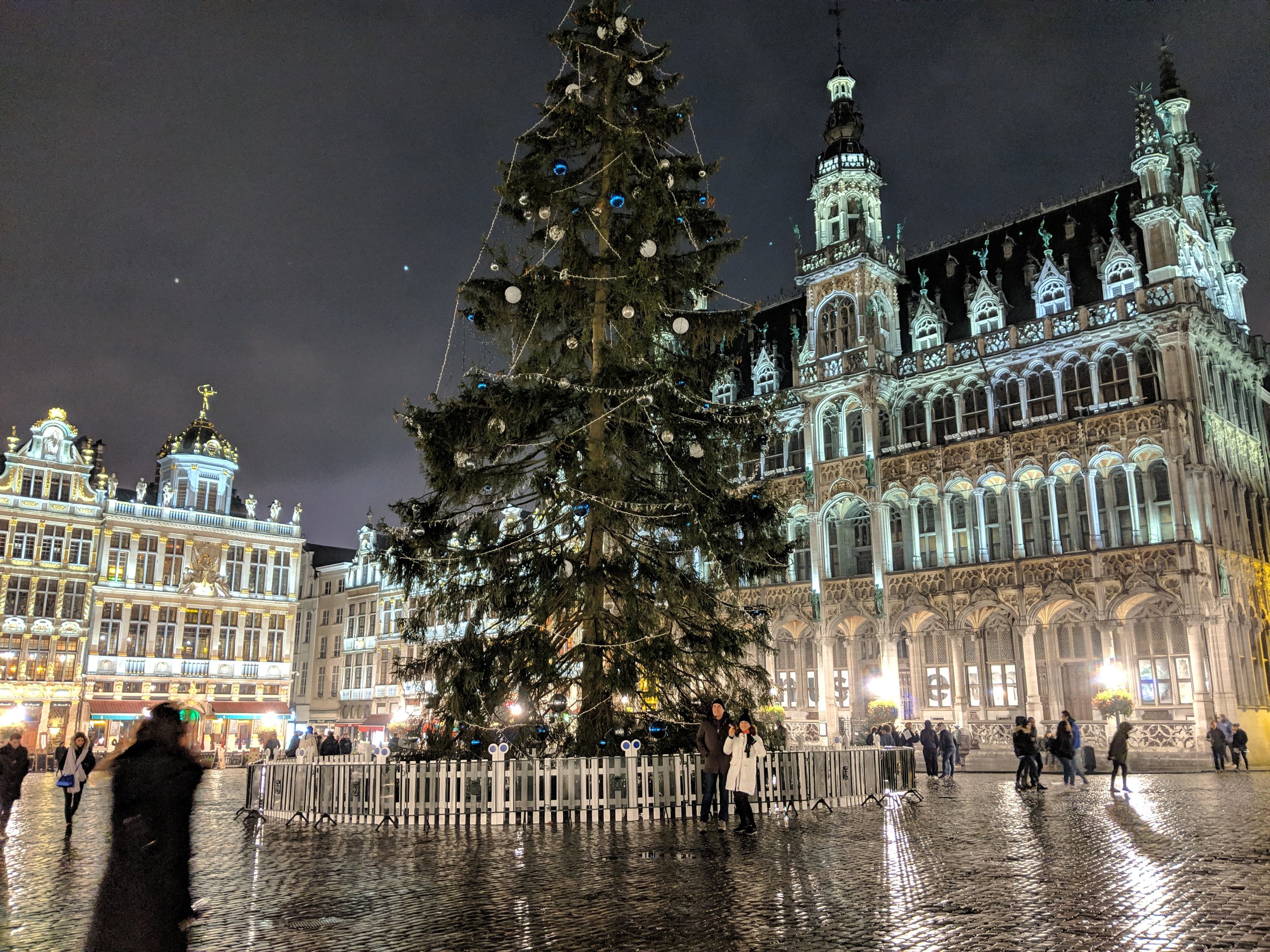
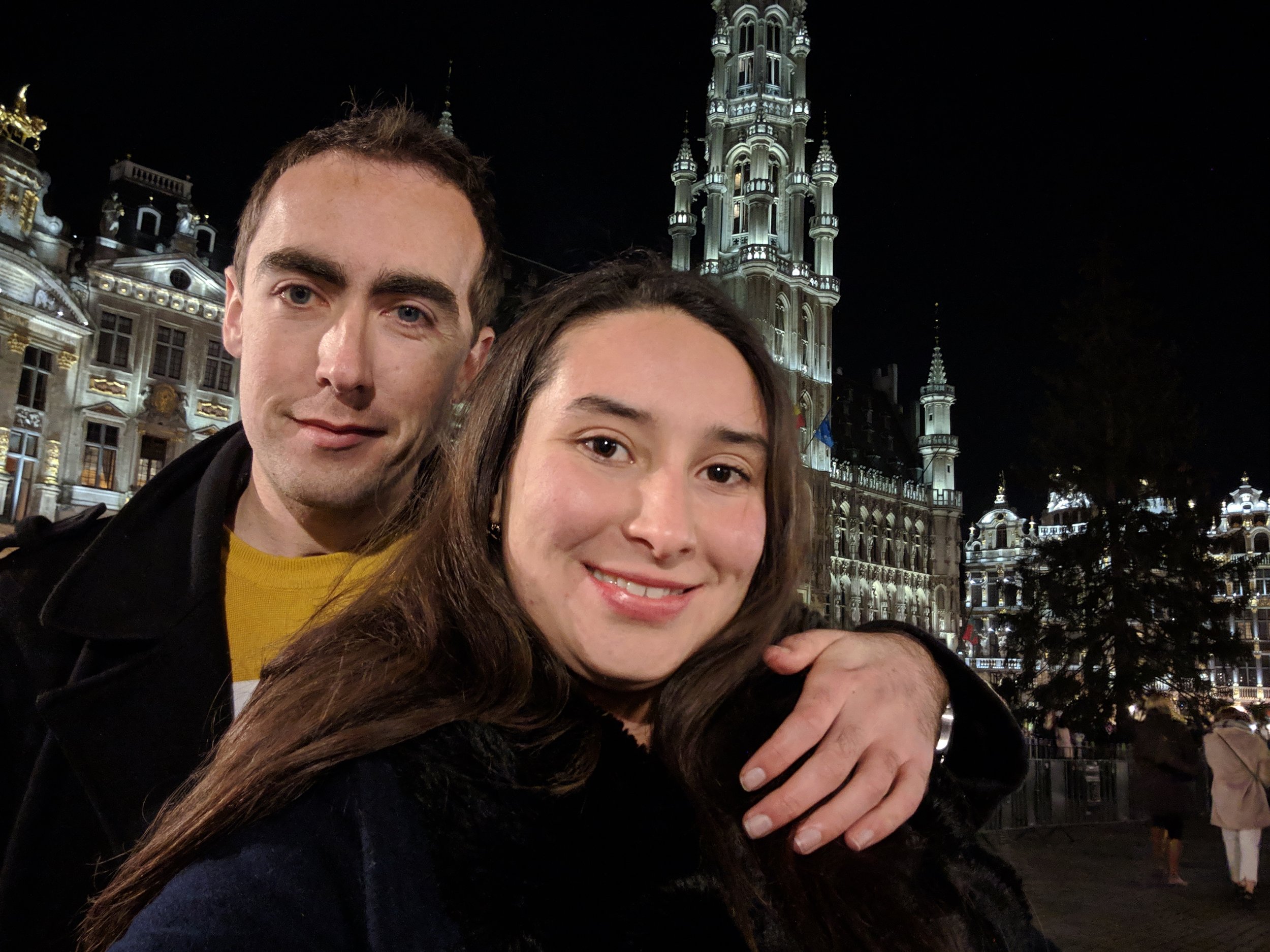
The Grand-Place: The Beating Heart of Brussels
One of the most striking central features is the Grand-Place (Grote Markt), widely regarded as one of Europe's most magnificent squares. Standing in the centre of the wide cobbled plaza, the sheer scale of the surrounding architecture creates an immediate sense of grandeur.
The square took its primary form between the late 14th and late 17th centuries, largely rebuilt after the 1695 bombardment. Today, it stands as an exceptional showcase of late-Baroque and Gothic architecture, guarded by opulent guildhalls and the soaring 96-metre Gothic tower of the Hôtel de Ville (Town Hall).
Walking through the square immediately shows you Brussels' craftsmanship. The gilded gables, intricate stone carvings, and heraldic statues create a visual rhythm that changes dramatically throughout the day.
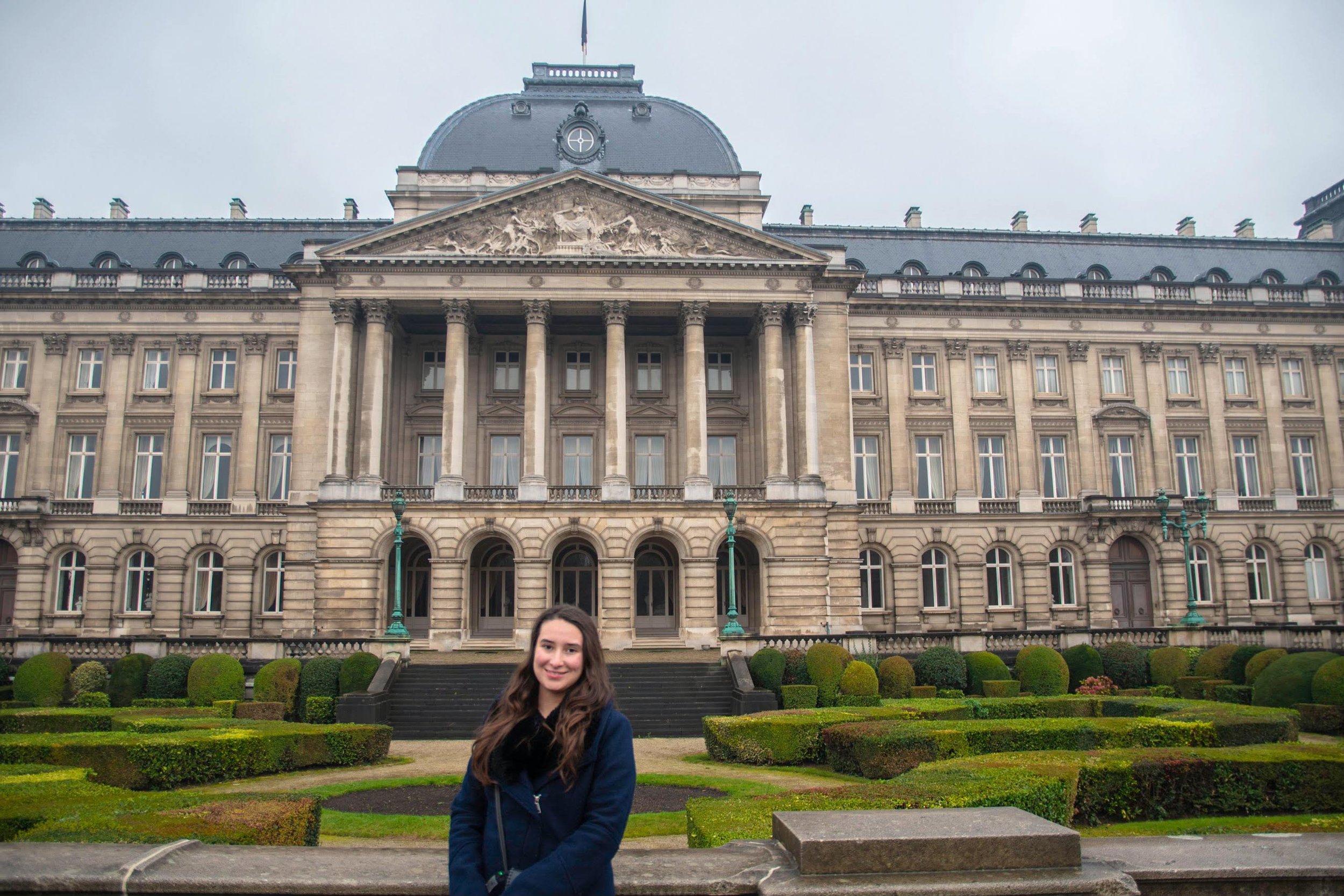
Exploring Brussels' Royal Splendour and Upper Town
Beyond the Grand-Place, the city opens up toward the Upper Town, revealing a grander, neoclassical atmosphere centred around royal heritage and spacious parks.
As you head toward the Mont des Arts and the Royal Quarter, notice the shift from intimate medieval lanes to expansive stone esplanades. The Royal Palace of Brussels, with its sprawling neoclassical facade, and the neighbouring Brussels Park offer a tranquil, stately setting for wandering and photography.
Is Brussels Worth Visiting?
Without question. Brussels offers a travel experience that brings together grand European heritage, world-class art, and an easygoing, hospitable atmosphere.
Beyond the architecture, the city's food culture is an essential part of the journey. Taking time between sights to enjoy warm, freshly baked Liège waffles, crisp double-fried frites served in paper cones, and rich artisan chocolates makes wandering the city even more rewarding.
If you are planning an itinerary, two to three days give you ample time to explore the historic centre, visit the Atomium, wander through the royal museums, and soak up the local café culture without feeling rushed. Its central rail connections also make it an ideal springboard for day trips out to Bruges or Ghent.

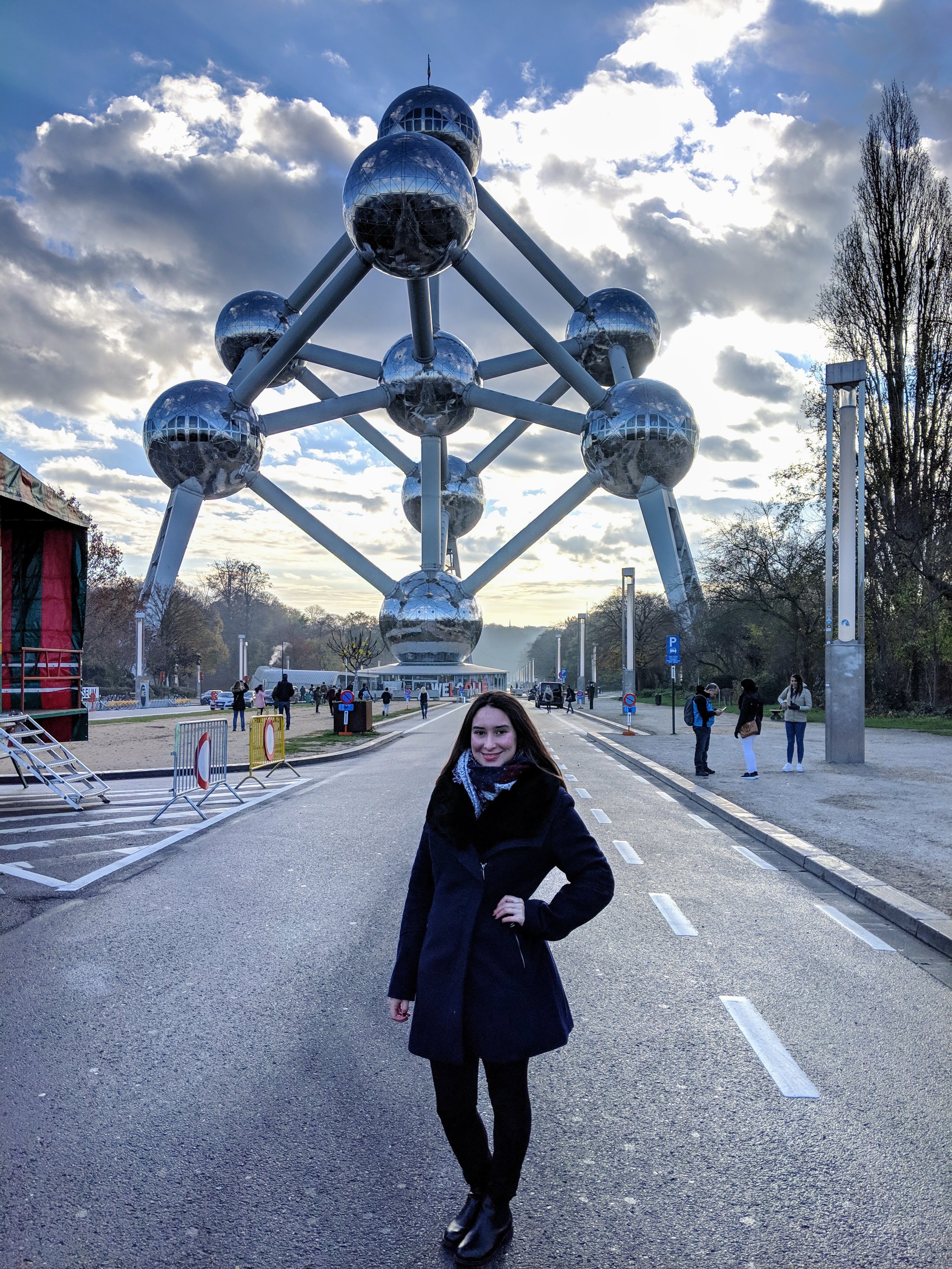
The Atomium: Modernist Icon on the Heysel Plateau
A trip to Brussels isn't complete without a visit to the Heysel Plateau to see one of the city's most recognisable modern symbols: the Atomium.
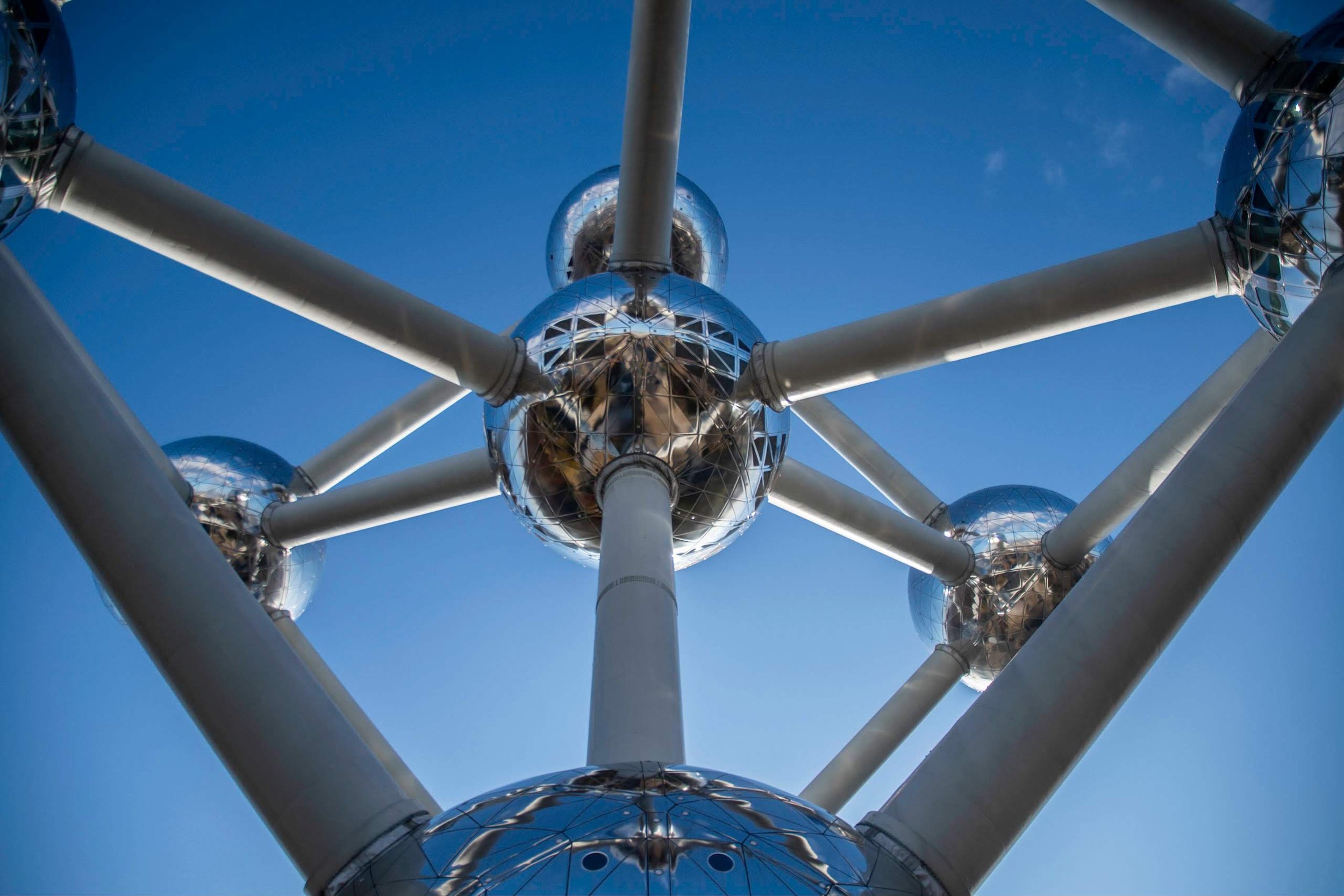
Originally constructed as the flagship pavilion for the 1958 Brussels World’s Fair (Expo 58), the Atomium represents an iron crystal enlarged 165 billion times. Standing over 100 metres tall, its nine interconnected stainless-steel spheres create a surreal geometric silhouette that feels worlds apart from the medieval Old Town.
Walking beneath the colossal steel tubes offers incredible wide-angle photo opportunities, framing futuristic geometry against the open sky. Visitors can also take the interior escalators and tubes to the highest sphere, which houses a 360-degree observation deck overlooking the city and the surrounding Flemish countryside.
Continuing Our Journey Through Belgium
Brussels was an unforgettable anchor for our Belgian travels, delivering rich history, monumental landmarks, and plenty of visual inspiration. From the golden facades of the Grand-Place to panoramic rooftop views, it offered an engaging look at the heart of Europe.
Travelling is about discovering new places together, capturing memories through photography, and experiencing the unique character that defines every destination.
You can continue exploring our European journeys through our other articles:
Bruges, Belgium – Wandering medieval canals and stepped-gable merchant houses.
De Panne, Belgium – Wide coastal stretches and North Sea breezes.