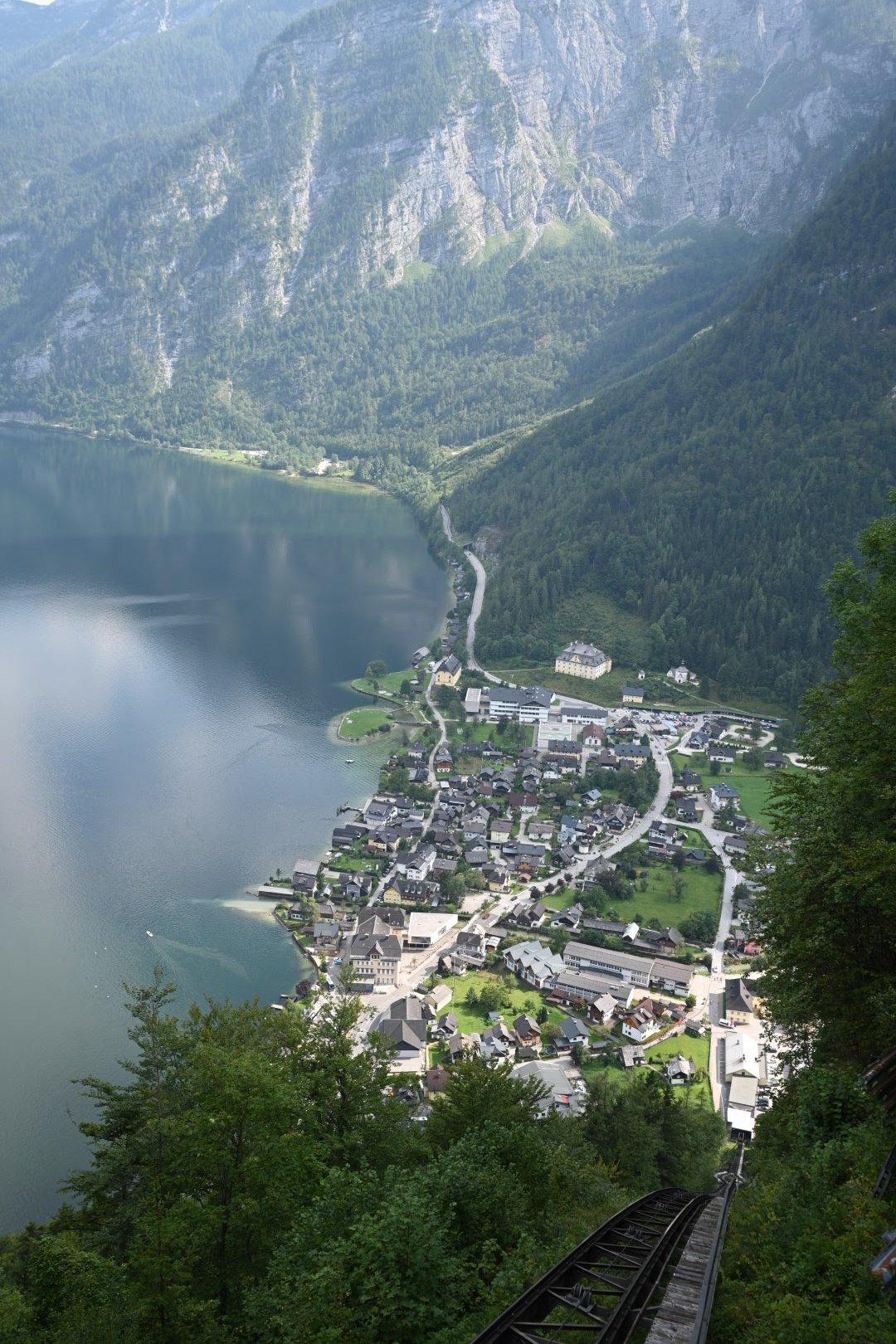
Hallstatt, Austria: Exploring the Lakeside Village and Dachstein Mountains
Some places look almost too beautiful to be real, and Hallstatt was certainly one of them.
As we continued our journey through Austria, we made our way to this small lakeside village in the Salzkammergut region. Surrounded by the dramatic Dachstein mountains and sitting alongside the calm waters of Lake Hallstatt, the village is easy to see why it has become one of Austria's most photographed destinations.
After spending time exploring Vienna and Salzburg, Hallstatt offered something completely different. The pace felt slower, the scenery was spectacular, and you could take photos from almost every angle.
With our cameras ready, we wandered through the village, took in the lake views, explored the narrow streets, and enjoyed the surrounding mountain scenery. We also headed higher into the mountains to experience one of the region's most impressive viewpoints.
Here are some of the highlights from our visit.
Discovering Hallstatt: A Village Between the Mountains and the Lake
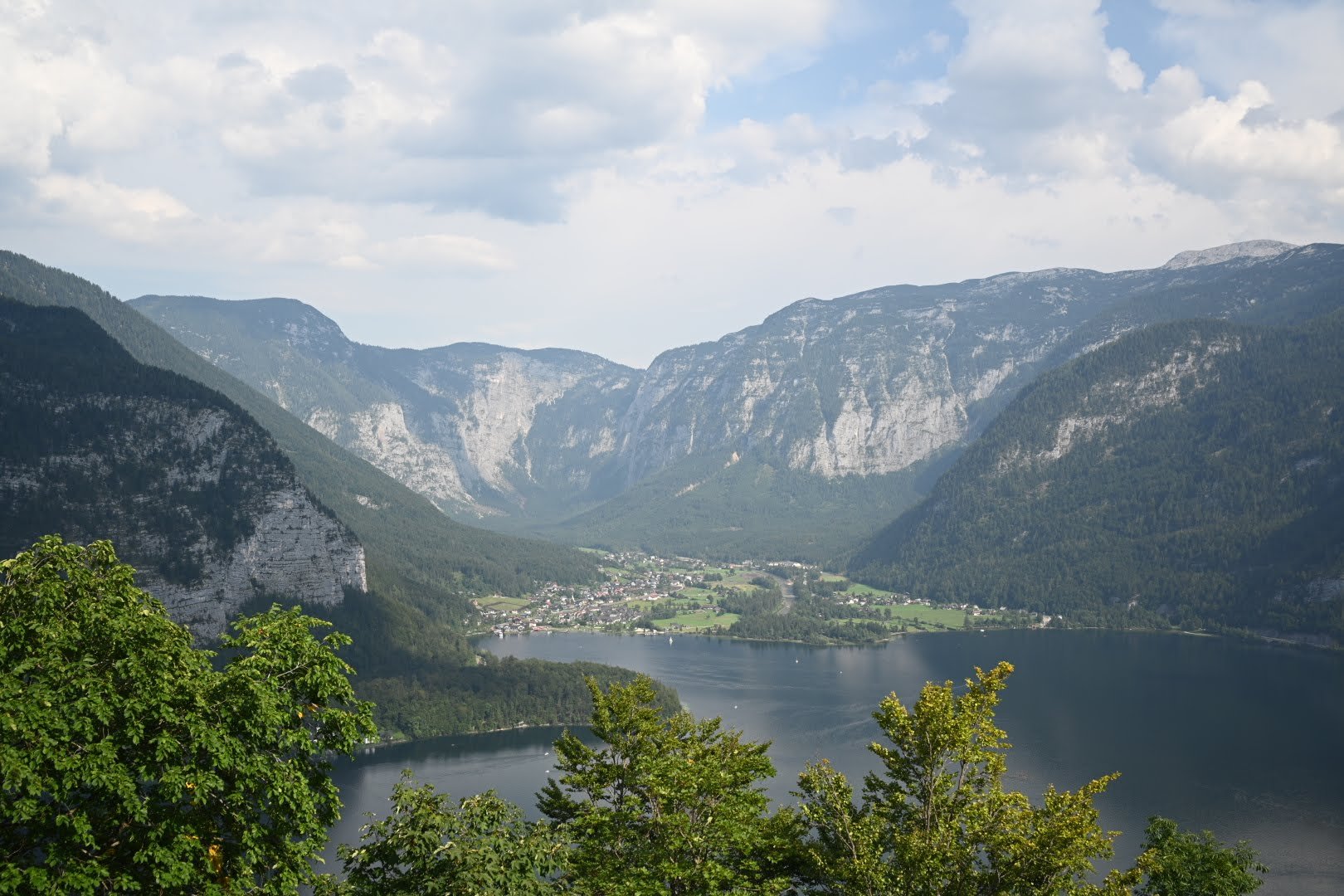
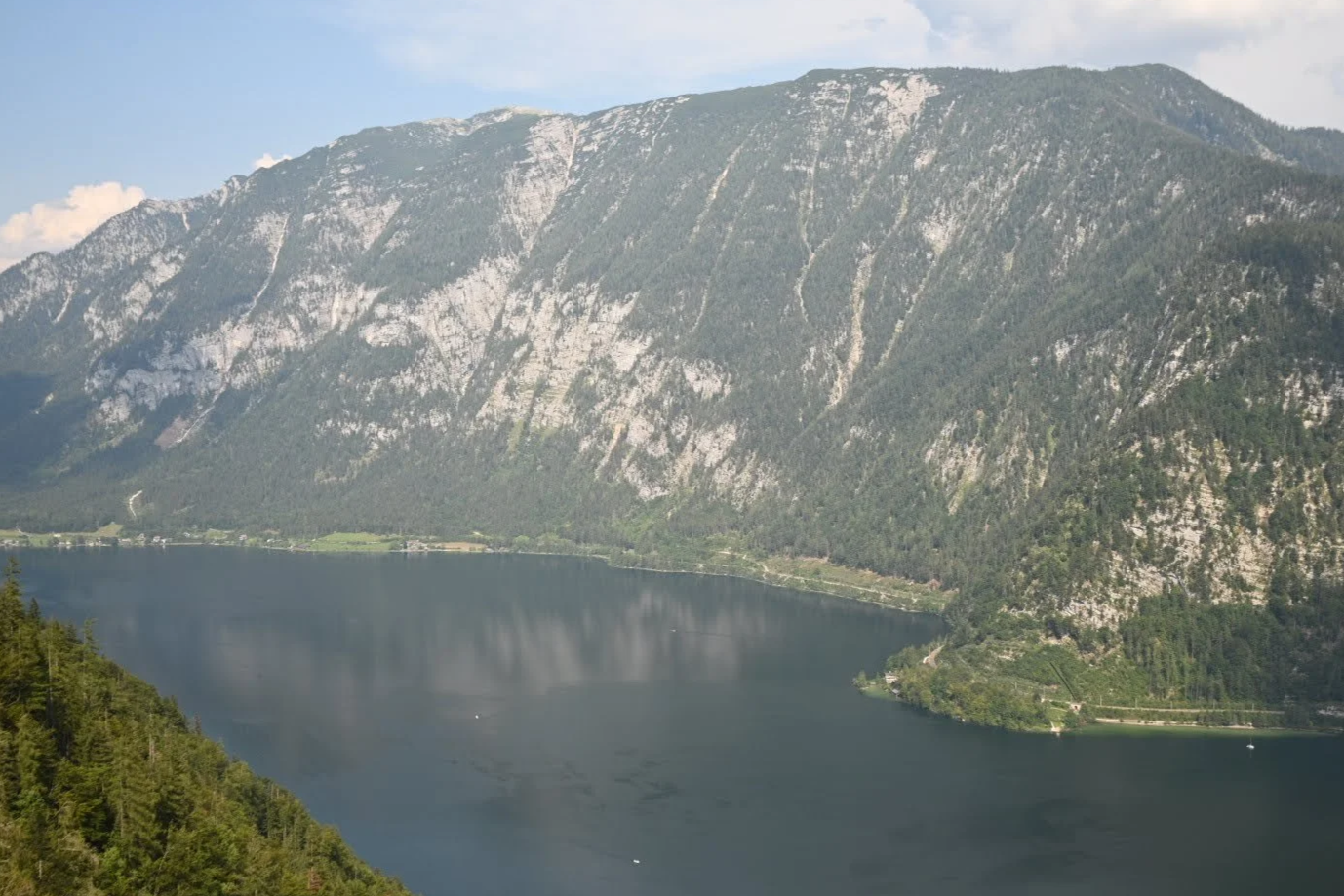
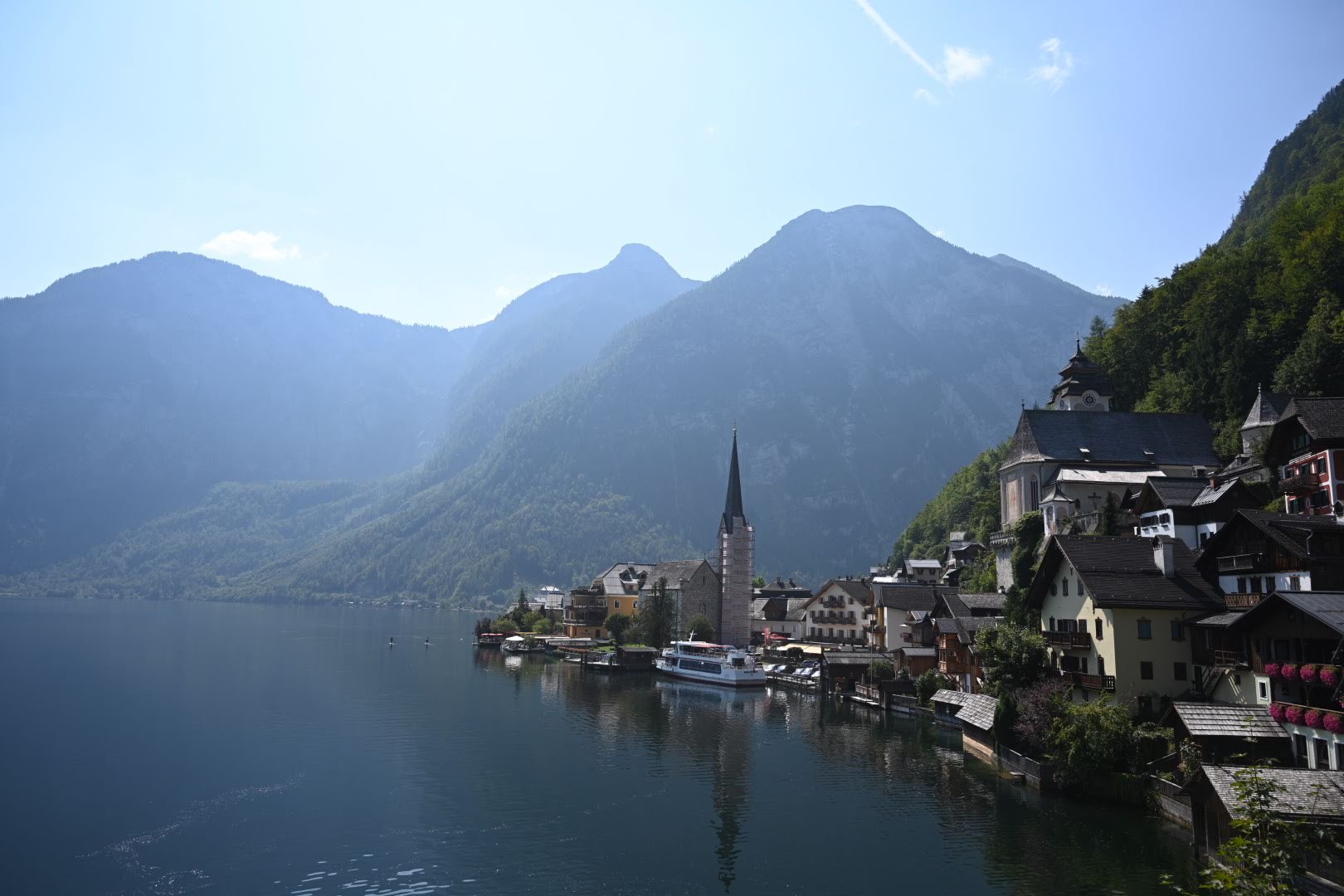
Hallstatt is located beside Lake Hallstatt, with steep mountains rising dramatically behind the traditional houses. Its position creates a very distinctive setting, with buildings seemingly fitted into the narrow space between the water and the mountainside.
[PHOTO 2: View across the lake with the village in the distance. Use as a wide landscape image.]
One of the first things that stands out is the scenery. The water reflects the surrounding mountains, while the colourful houses and church tower create the familiar view that has made Hallstatt famous around the world.
Exploring the Streets and Market Square
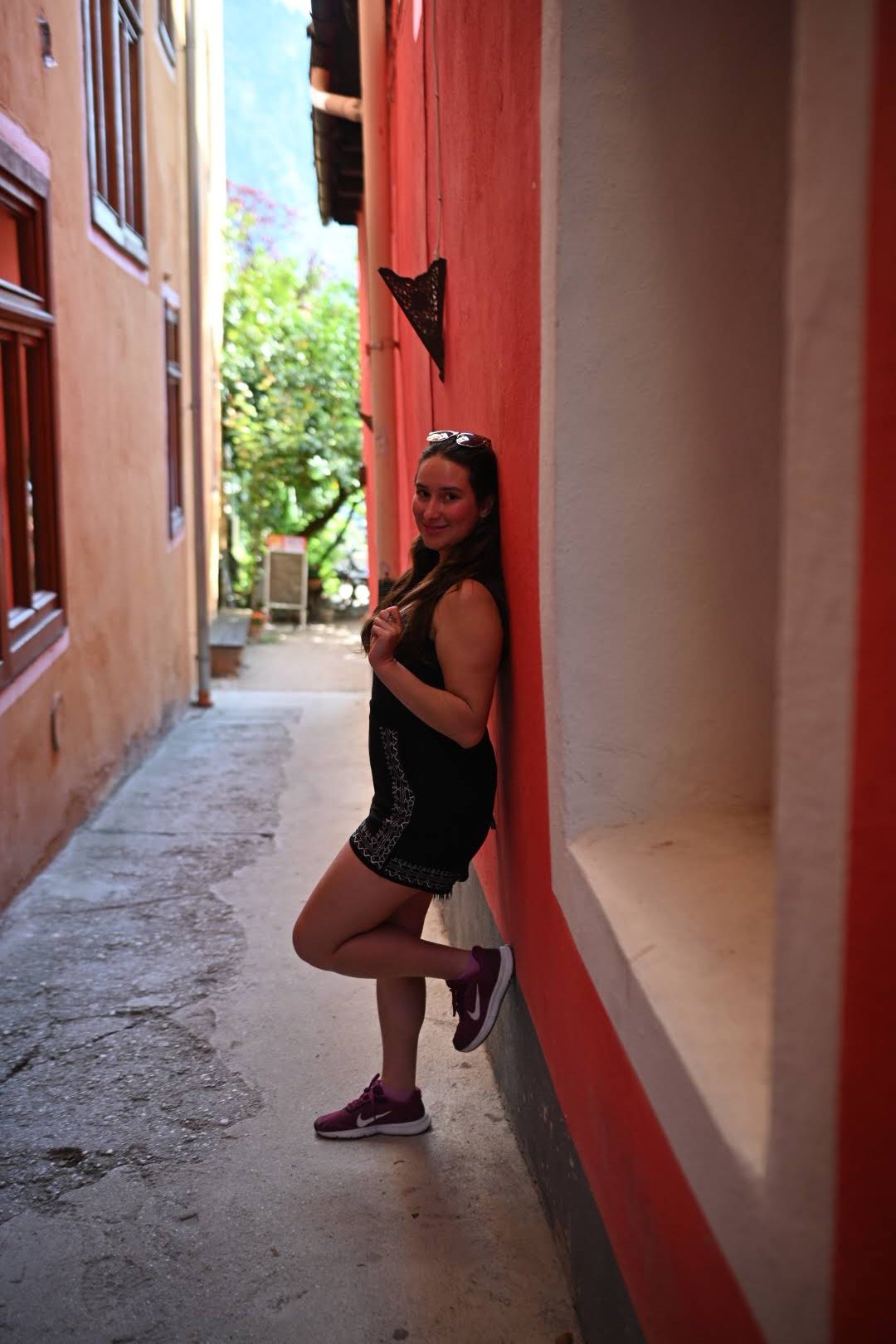
Away from the lakeside views, Hallstatt has a network of narrow streets and passageways that are lovely to explore.
Walking through the village gives you a closer look at its traditional Alpine architecture, colourful buildings, wooden balconies and small details that make each street feel different.
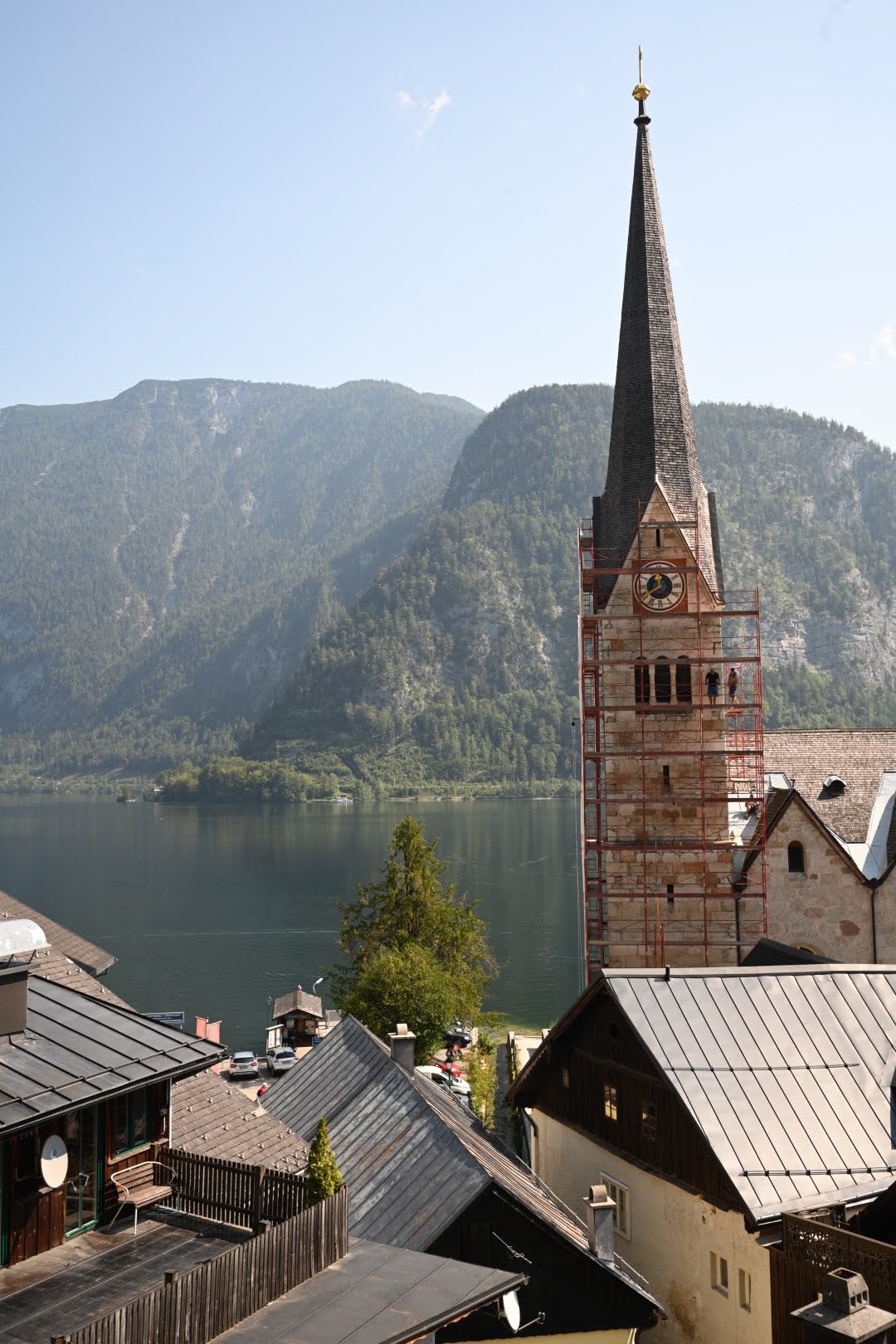
The churches are an important part of Hallstatt's character and help create the distinctive skyline seen from across the lake.
The Evangelical Church, with its tall pointed tower beside the water, is one of the village's best-known landmarks. It is particularly recognisable in the classic views of Hallstatt.
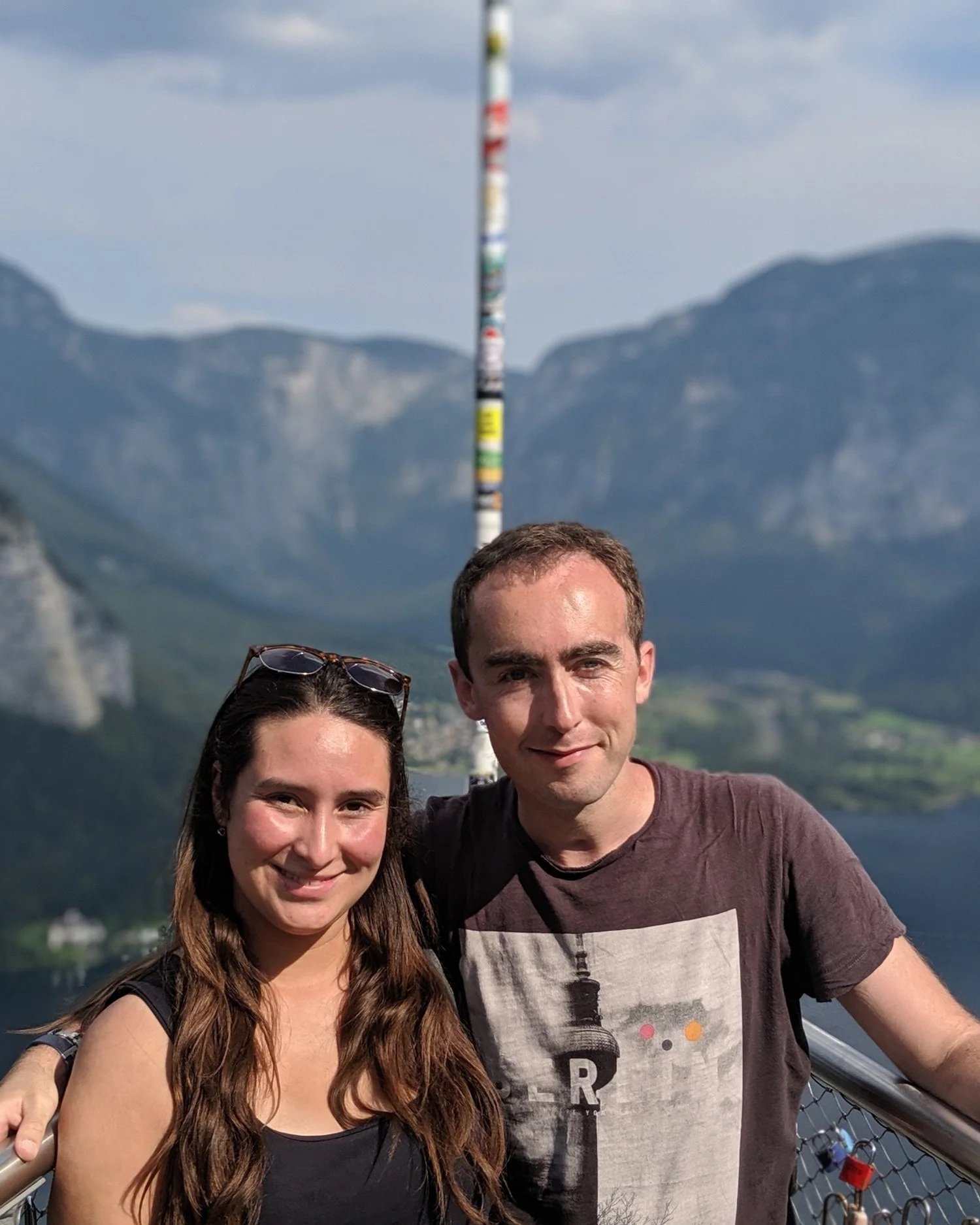
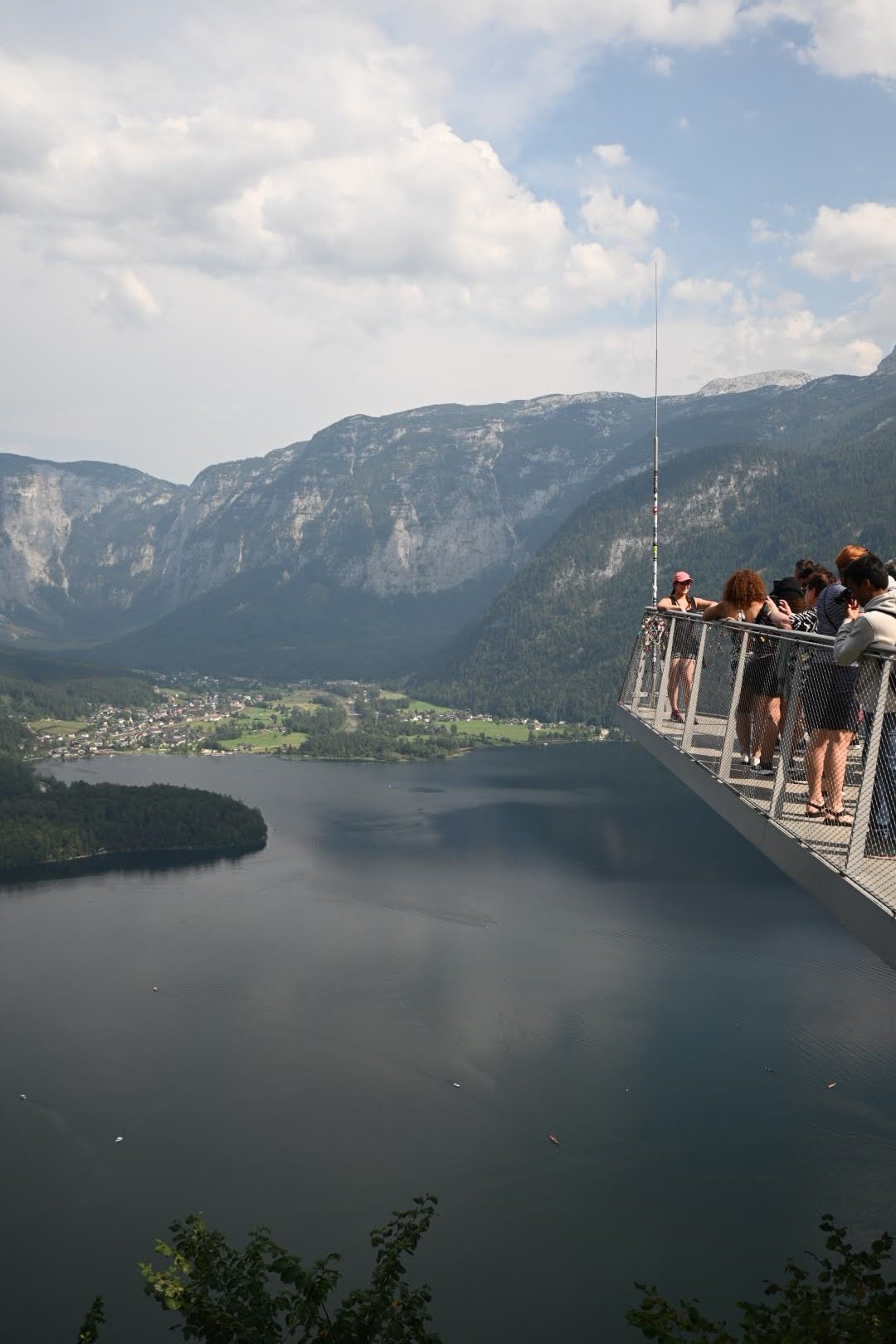
Although it is not in Hallstatt village, the platform sits above nearby Obertraun on the Dachstein Krippenstein mountain. It offers an incredible panoramic view across Lake Hallstatt, the surrounding mountains and the wider Salzkammergut region.
Our Final Thoughts on Hallstatt
Hallstatt was a memorable part of our Austrian adventure. After exploring Vienna and Salzburg, it was wonderful to experience somewhere with such a different atmosphere.
The lakeside village, mountain scenery, and panoramic viewpoints made it a destination we really enjoyed photographing and exploring together.
For us, travel is about more than visiting famous places. It is about experiencing somewhere new, capturing moments, and creating photographs that bring those memories back long after the trip ends.
Hallstatt certainly gave us plenty of those moments.
If Austria is on your travel list, we would definitely recommend adding Hallstatt and the surrounding Dachstein region to your plans.
Explore more of our Austria trip:
August in Vienna, Day One
Second Day in Vienna
Vienna, Day Three
Salzburg
Hallstatt
We hope our photographs and experiences have inspired you to discover this beautiful part of Austria for yourself.
During our visit, scaffolding covered part of the church tower as restoration work took place. Still, it made for an interesting photo and a reminder that these historic buildings need ongoing care.
The Catholic Parish Church is another important attraction. It sits above the village beside the historic cemetery and offers lovely views across Hallstatt and the lake.
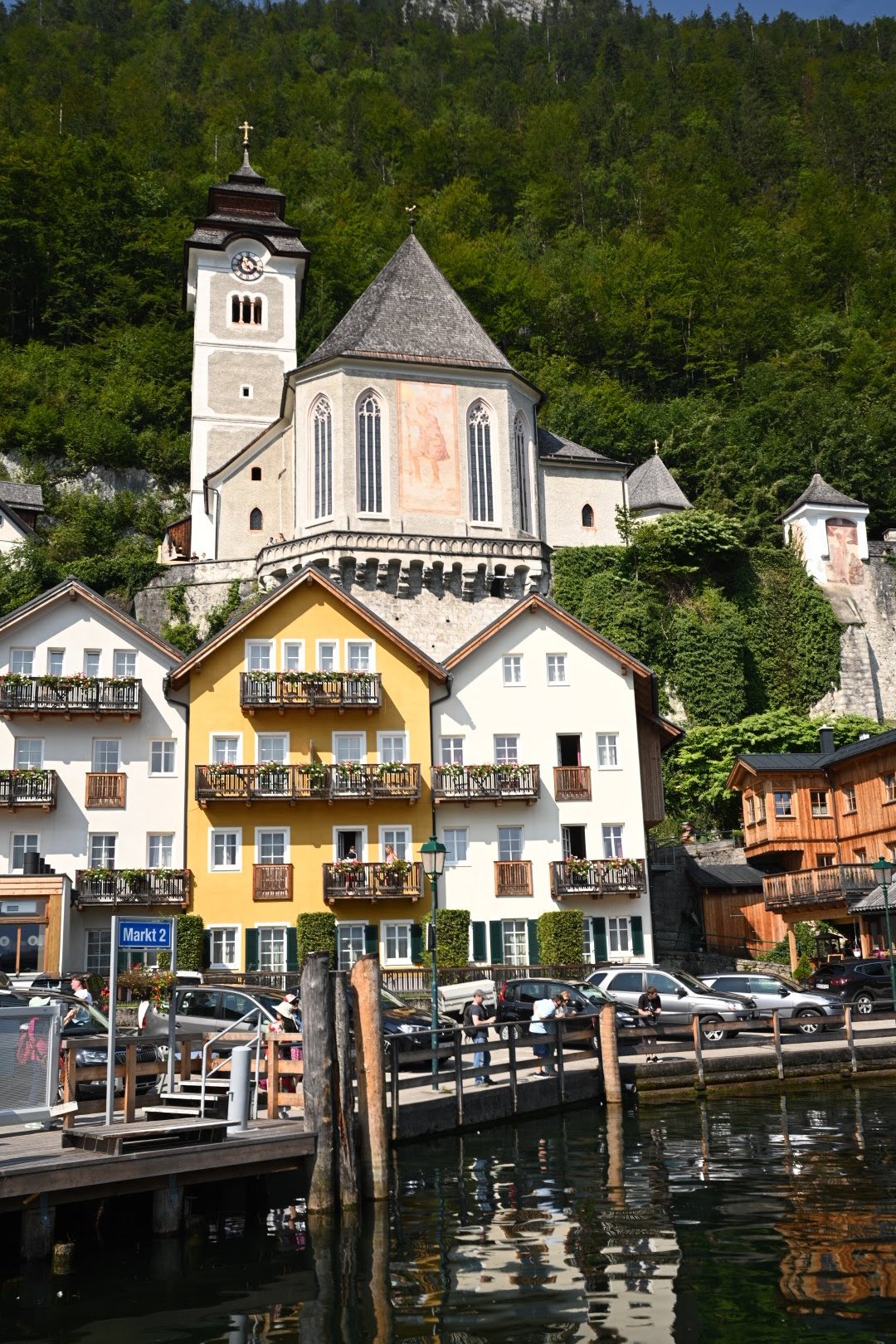
One of Hallstatt's more unusual attractions is the historic Charnel House, often called the Bone House or Beinhaus. It is located in St Michael's Chapel beside the Catholic church.
Inside is a collection of more than 600 painted skulls, many decorated with names, dates and floral designs. The tradition developed partly because the village had limited space for burials, so older graves were sometimes reused, and the skulls were preserved as a way to remember the deceased.
It is a fascinating and rather unusual part of Hallstatt's history, offering a glimpse into local Alpine traditions you might not expect in such a picturesque village.
Is Hallstatt Worth Visiting?
Absolutely. Hallstatt offers something quite different from a typical city break.
The village itself is beautiful, but the wider area is just as impressive. You'll find the lake, mountains, historic attractions, traditional architecture, and opportunities to explore higher into the Dachstein region.
If you are visiting Austria, I would recommend making time for Hallstatt, especially if you enjoy photography or being surrounded by nature.
A few hours will give you an introduction to the village, but spending longer lets you explore the surrounding area and add experiences like the 5 Fingers viewing platform.
Remember that Hallstatt is a real residential village, not just a photo stop. Respecting local residents, private property, and the narrow streets helps keep the experience enjoyable for everyone.