

August in Vienna: Discovering Austria's Elegant Capital
Arriving in Vienna marked the beginning of our five-day journey through Austria. From its grand architecture and historic streets to its beautiful palaces and traditional coffeehouses, the Austrian capital immediately made an impression.
Visiting in August meant experiencing the city in summer, when its impressive boulevards, open squares, and gardens provide a wonderful setting for exploration. Vienna has a distinctive atmosphere, combining centuries of imperial history with a lively modern city.
Our first day focused on Vienna's most recognisable landmarks, taking in the architecture and getting a first taste of Austrian culture.
St. Stephen's Cathedral and the Heart of Vienna
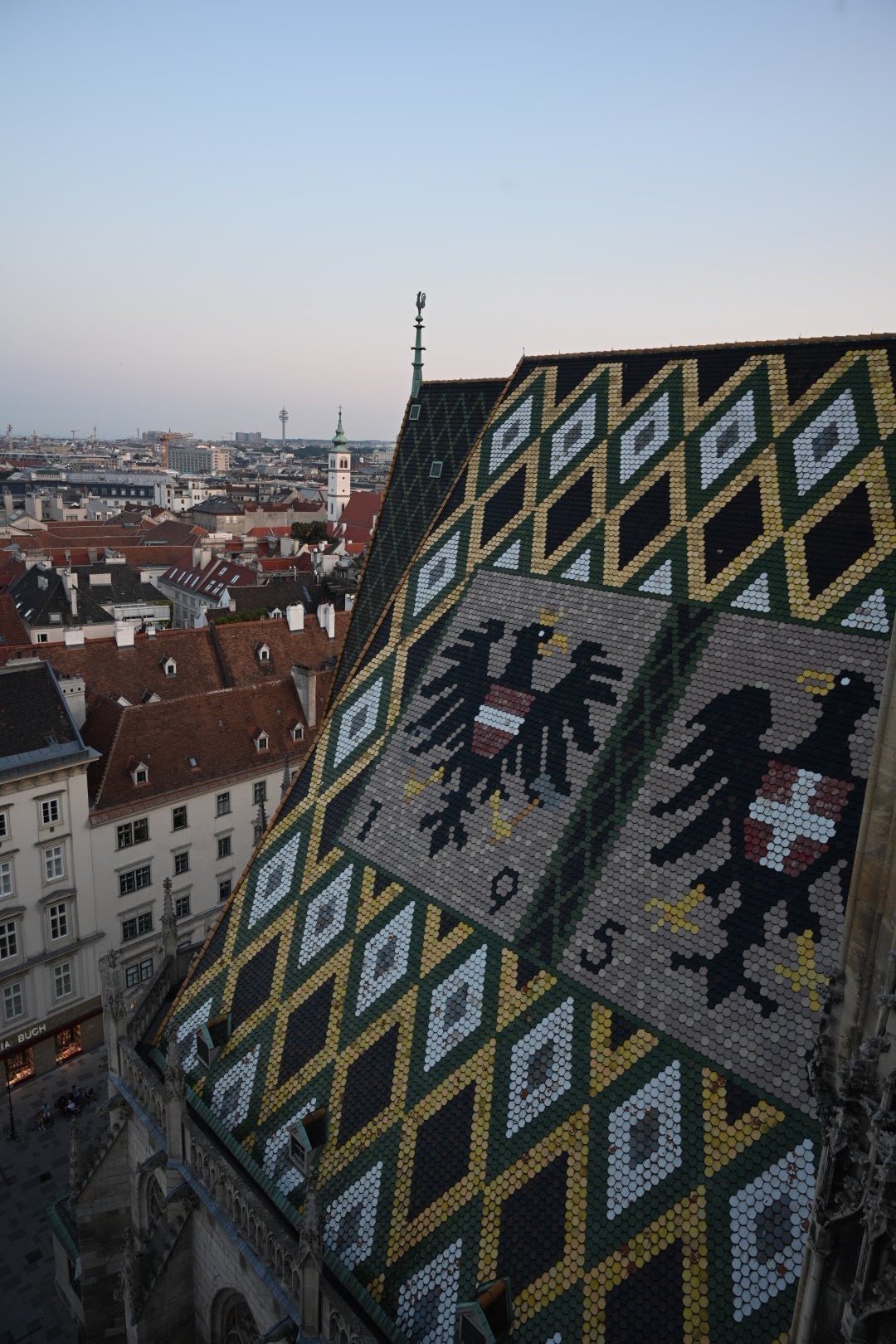
One of the first places to visit when exploring Vienna is St. Stephen's Cathedral, in the heart of the city's historic centre at Stephansplatz.
Known locally as the Stephansdom, the cathedral is one of Vienna's most recognisable landmarks. Its impressive Gothic architecture, towering south spire and distinctive multi-coloured tiled roof make it particularly striking.
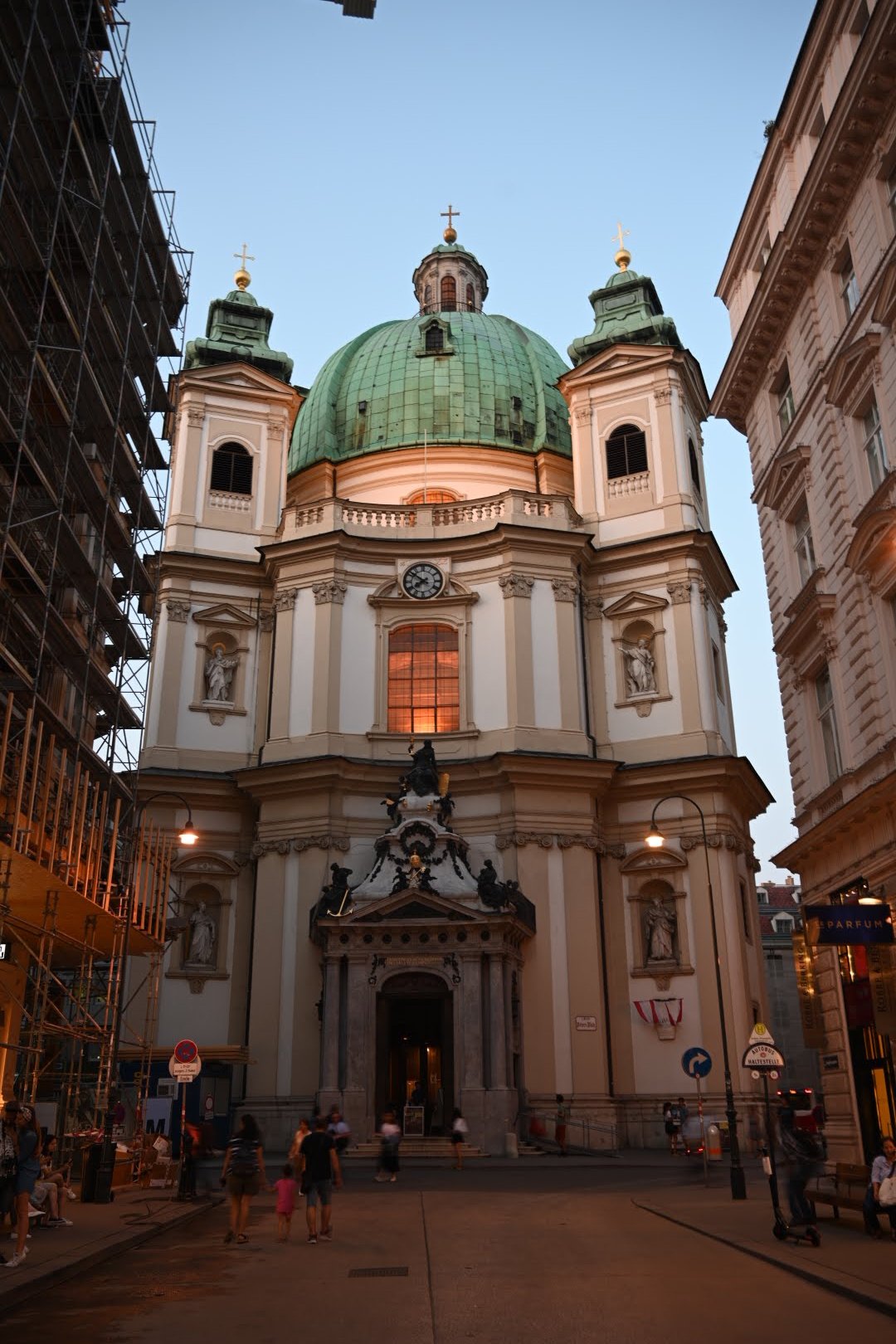
Walking around the cathedral and through the surrounding streets gives you a real sense of Vienna's history. The narrow lanes, traditional buildings and lively pedestrian areas make this part of the city especially enjoyable to explore on foot.
It is also a fantastic location for photography, with architectural details and different viewpoints around almost every corner.
Schönbrunn Palace and Its Beautiful Gardens
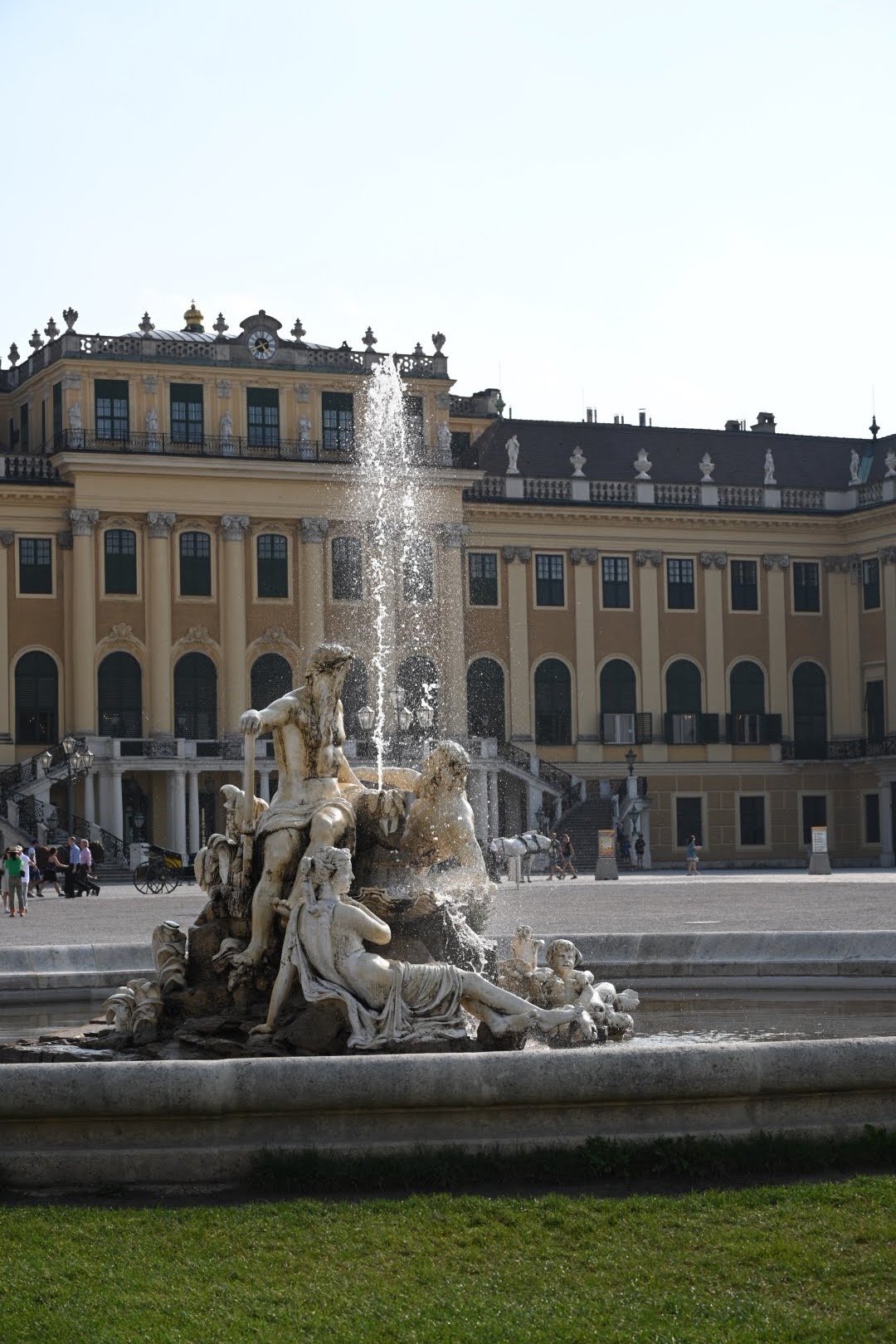
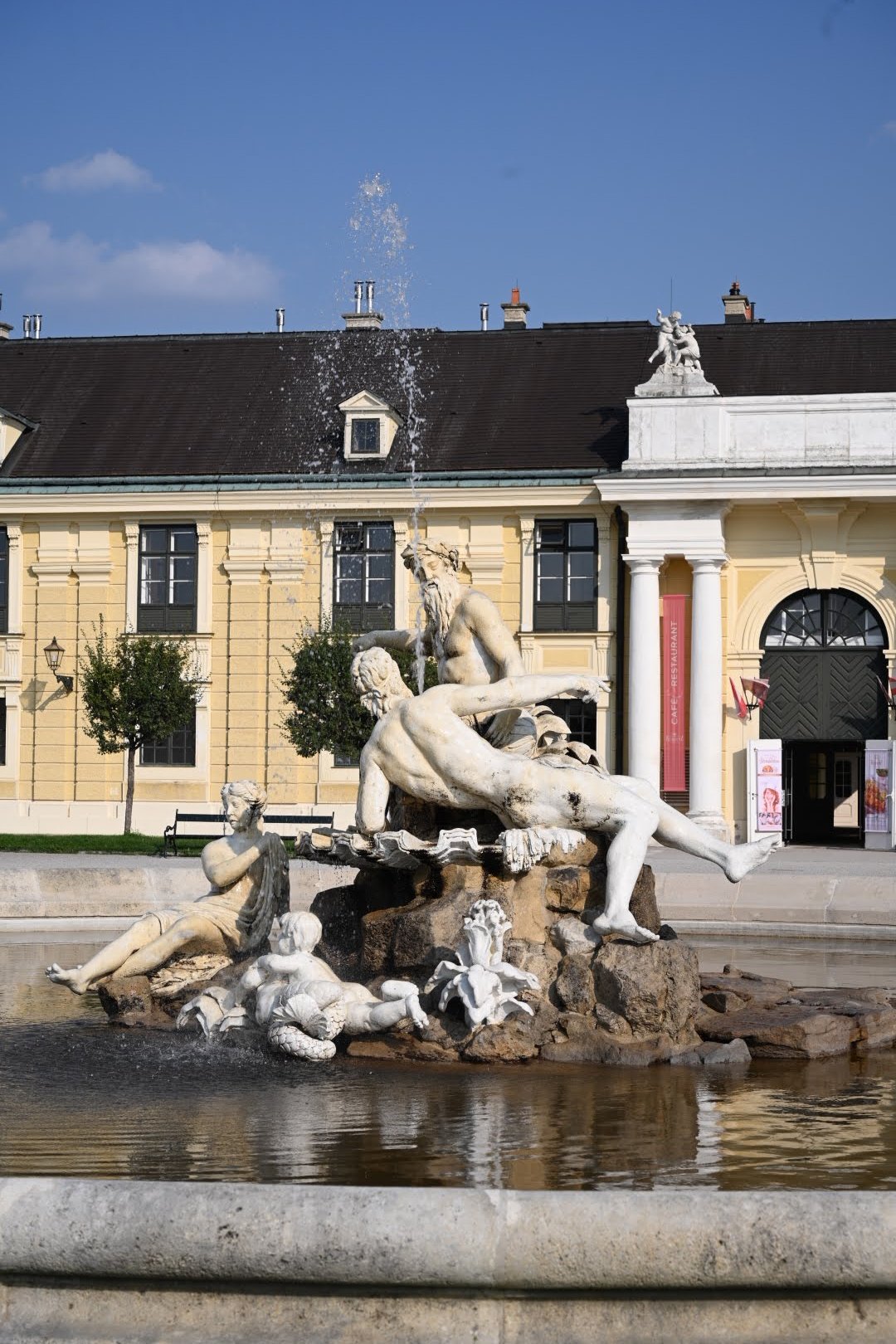
Another highlight of Vienna is Schönbrunn Palace, the Habsburg imperial family's former summer residence.
The palace is one of Austria's most important historic attractions, with an impressive Baroque exterior and extensive gardens that make it a memorable place to visit.
Beyond the palace itself, the gardens are a major attraction. Walking through the grounds lets you appreciate the estate's scale, with carefully maintained pathways, fountains, and impressive views.
One of the most recognisable features is the Gloriette, which stands on the hill overlooking the palace. From here, visitors can enjoy panoramic views across the gardens and towards the city.
Whether you are interested in history, architecture or photography, Schönbrunn offers plenty to discover.
Schönbrunn Palace and Its Beautiful Gardens
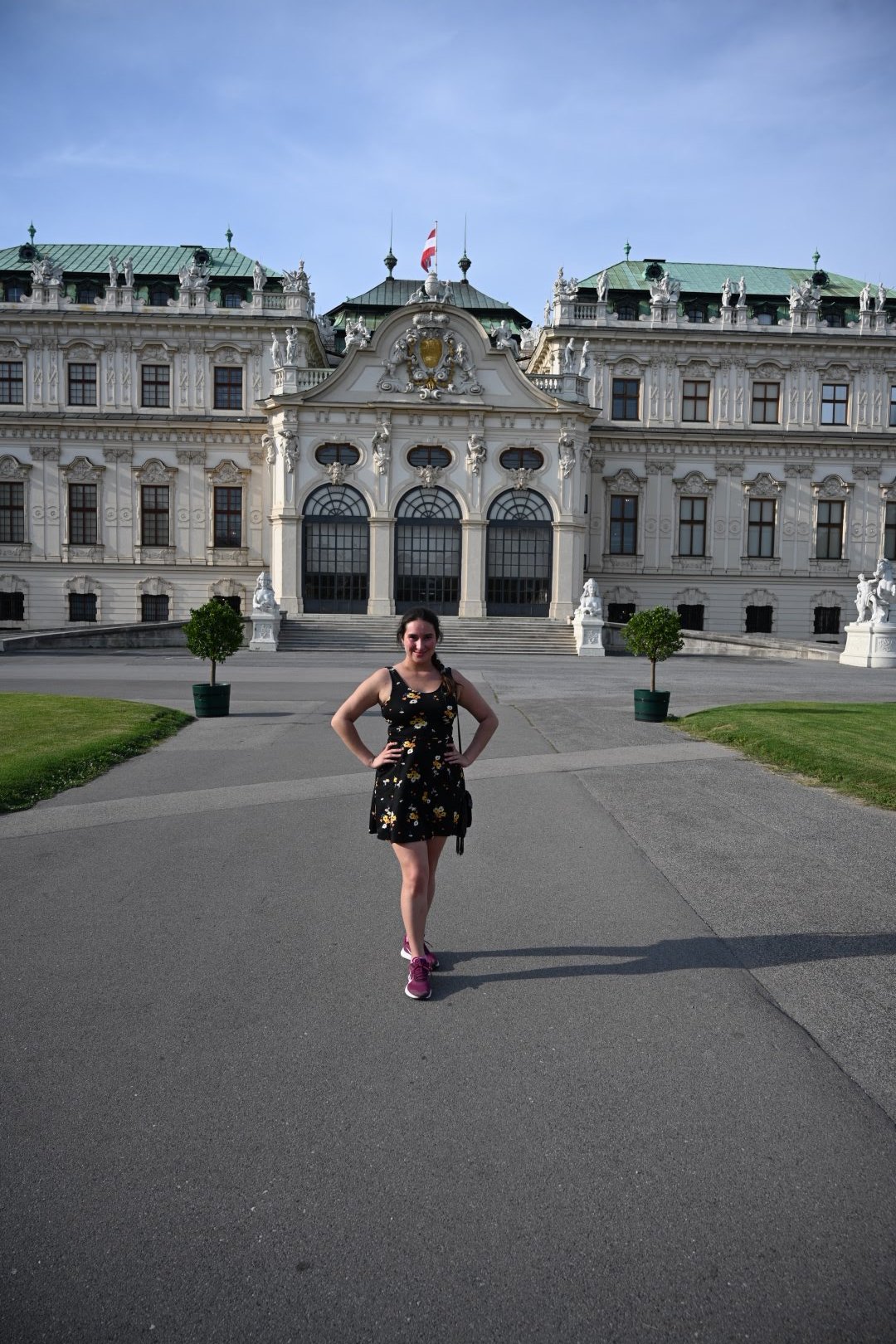
The Belvedere Palace is another architectural highlight of Vienna.
The historic complex comprises the Upper and Lower Belvedere, connected by beautifully designed Baroque gardens featuring fountains, terraces, and carefully maintained landscaping.
The buildings themselves are impressive, but the surrounding grounds are just as enjoyable to explore. The gardens' symmetry, decorative details, and views between the two palaces create wonderful photo opportunities.
The Upper Belvedere also houses an important collection of Austrian art, including Gustav Klimt's famous painting The Kiss.
For anyone interested in art, history or architecture, the Belvedere is well worth including on a Vienna itinerary.
The Imperial Hofburg and Vienna's Grand Boulevards
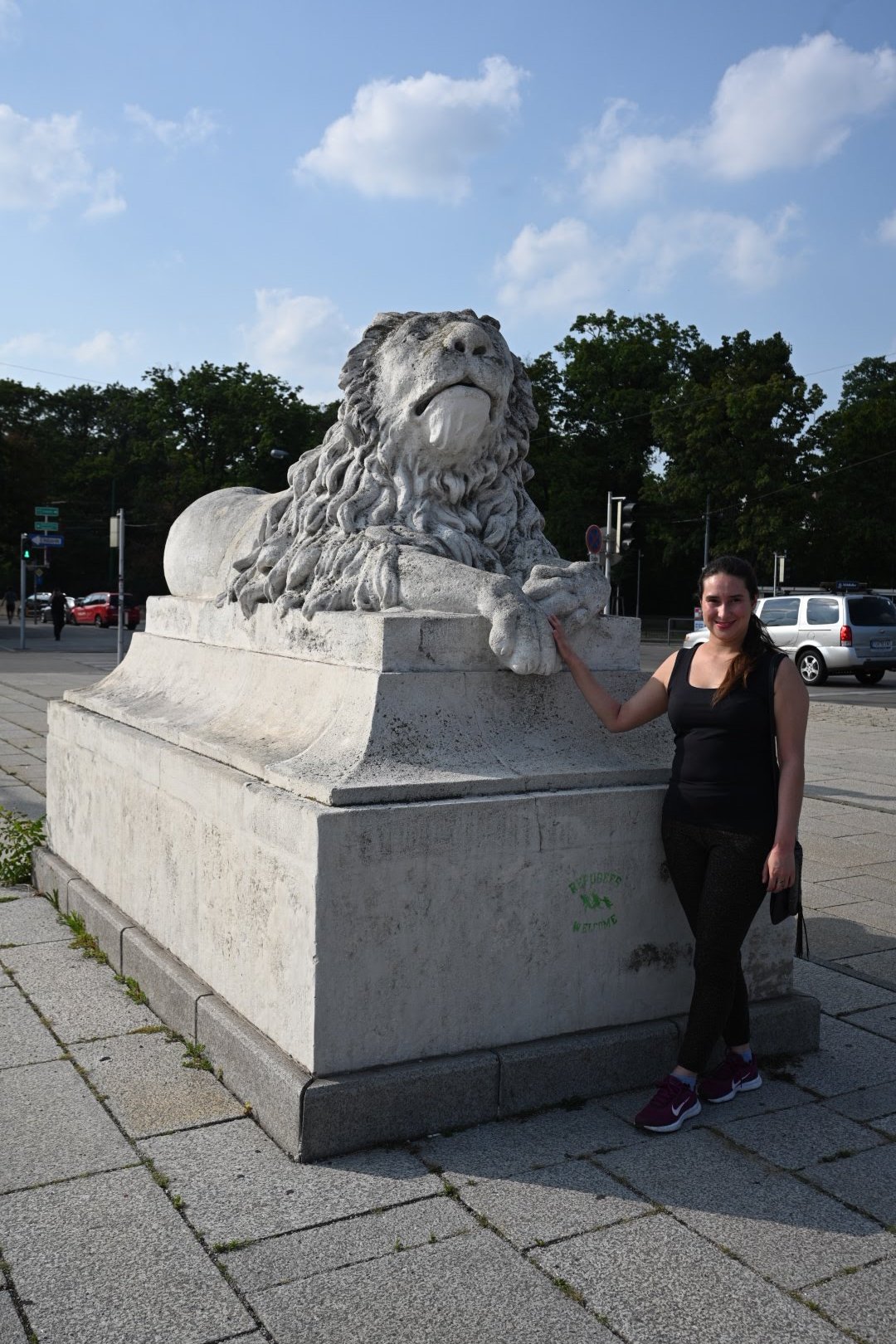
Vienna's imperial history shows up throughout the city, especially around the Hofburg Palace and the famous Ringstraße.
The Hofburg was once the Habsburg dynasty's principal imperial residence and now houses several museums and key Austrian institutions. Its impressive courtyards and grand entrances offer another glimpse into the country's royal past.
The Ringstraße is equally impressive. This grand boulevard surrounds much of Vienna's historic centre and passes some of the city's most recognisable buildings, including the Austrian Parliament, Vienna State Opera and other important cultural landmarks.
Exploring this part of Vienna is a great way to appreciate the city's monumental architecture. Even a simple walk along the boulevard offers plenty of opportunities to stop, look around, and take photographs.
You may also spot traditional horse-drawn Fiaker carriages around the historic centre, adding to the city's old-world atmosphere.
Experiencing Vienna's Traditional Coffeehouse Culture
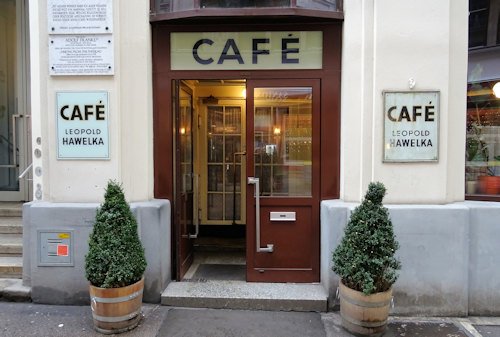
You cannot properly experience Vienna without discovering its traditional coffeehouse culture.
Viennese coffeehouses are much more than places to grab a quick drink. They are part of the city's cultural identity, with a long tradition of people meeting, reading, talking and taking time to enjoy their surroundings.
Historic establishments such as Café Central and Café Sperl are well known for their elegant interiors, traditional atmosphere and classic Austrian coffee and cake.
A Wiener Melange, one of Vienna's traditional coffee drinks, is a popular choice. Pair it with a slice of Sachertorte, the famous Austrian chocolate cake, for a classic Viennese experience.
After exploring the city's architecture and landmarks, take a break in a traditional café to slow down and appreciate another side of Vienna.
Our First Impressions of Vienna
Our first day in Vienna was a wonderful introduction to Austria's capital.
From the Gothic architecture of St. Stephen's Cathedral to the imperial grandeur of Schönbrunn Palace, the Hofburg, and the Belvedere, the city offers incredible history and visual character.
What makes Vienna particularly interesting is how its historic surroundings remain part of everyday city life. Grand buildings, traditional cafés, beautiful public spaces and lively streets all come together to create a destination that is enjoyable to explore.
And this was only the beginning of our Austrian adventure.
With more of Vienna to discover, we spent a second day exploring the city before heading beyond the capital to experience more of Austria.